Methodology
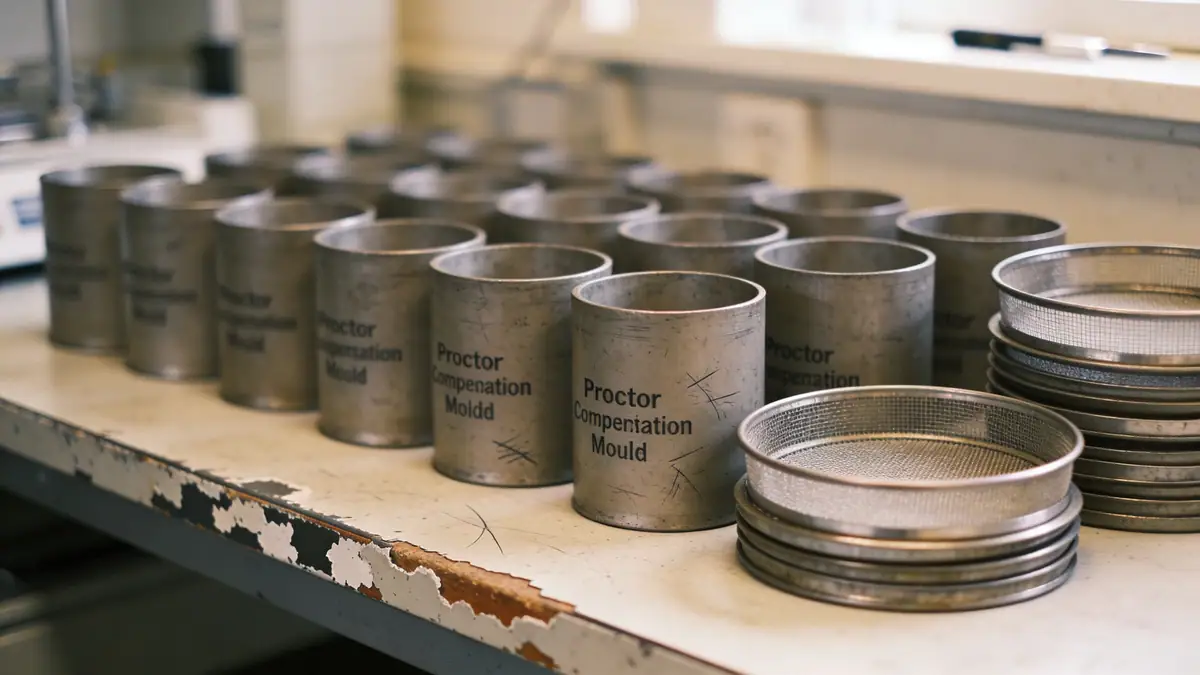
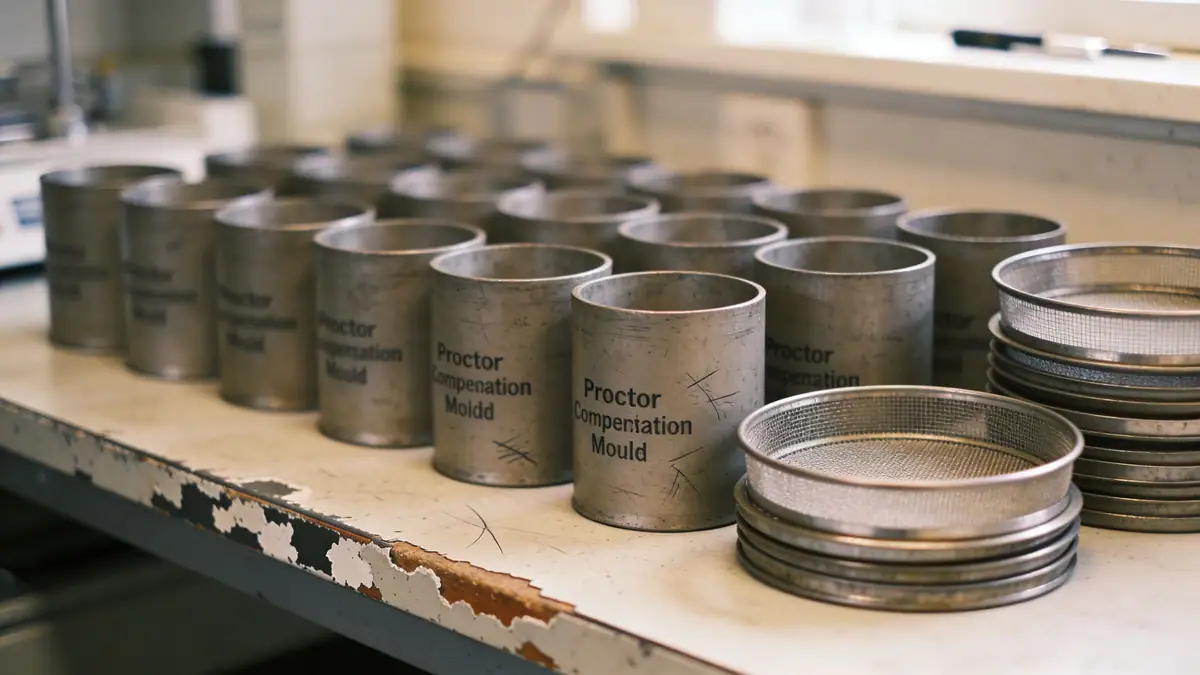
Our methodology for geotechnical engineering in Akron begins with a comprehensive review of existing geological maps and historical data. We then conduct fieldwork, including spt boring, to characterize soil stratigraphy and obtain undisturbed samples. In the laboratory, we perform index tests, strength tests, and consolidation tests to determine engineering properties. Analysis follows established principles from soil mechanics, applying site-specific parameters to foundation design, settlement predictions, and slope stability evaluations. All work adheres to ASTM standards, ensuring consistency and reliability. Our reports provide clear recommendations for construction in Akron's varied subsurface conditions.
Reference Technical Parameters
| Parameter | Reference Value |
|---|---|
| Predominant Soil Type | Glacial till (silty clay with sand and gravel) |
| Maximum Seismic Acceleration (PGA) | 0.15 g (IBC 2021 Site Class D) |
| Typical Groundwater Level | 5 to 15 feet below ground surface |
| Bedrock Depth | 50 to 100 feet (shale and sandstone) |
| Typical N60 Range | 10 to 40 blows per foot (variable) |
Local Considerations — Akron
Akron's geology is dominated by glacial deposits overlying Pennsylvanian bedrock (shale, sandstone, limestone). The area is characterized by low to moderate seismicity, with peak ground accelerations of about 0.15 g per IBC 2021. Groundwater is generally shallow, requiring dewatering considerations for excavations. Neighborhood variations exist: west Akron tends to have thicker till deposits, while eastern areas may encounter more lacustrine clays. Typical projects include residential foundations on spread footings, but deeper piles are necessary for commercial structures. Our team applies local experience and references to soil mechanics laboratory tests for precise soil behavior characterization.
Request a Quote
Our team reviews your project and issues an initial report at no cost.
Or write us directly at [email protected]
Services in Akron
Applicable Standards
- IBC 2021 (International Building Code)
- ASTM D1586 (Standard Penetration Test)
- ASTM D2487 (Unified Soil Classification System)
- ASCE 7 (Minimum Design Loads for Buildings and Other Structures)
- Ohio Building Code (OBC) based on IBC
Frequently Asked Questions
What are the typical soil conditions in Akron for foundation design?
Akron's soils are predominantly glacial till, consisting of silty clay with varying amounts of sand and gravel. These soils have moderate bearing capacity but can be variable. Shallow groundwater and potential for soft lacustrine deposits require careful site-specific investigation to determine appropriate foundation types and depths.
Does Akron have specific seismic design requirements?
Yes, Akron is in Seismic Design Category B per IBC 2021, with a peak ground acceleration of about 0.15 g. While not highly seismic, structures must still comply with ASCE 7 provisions. Site class effects from soil type can amplify ground motion, so geotechnical reports must include site-specific seismic response analysis.
Are geotechnical investigations mandatory for construction in Akron?
While not always legally required for all projects, most building departments in Akron recommend or require geotechnical reports for new structures, especially those with deep foundations or on challenging soils. Lenders and insurance companies often mandate them for risk management. Our team assists in meeting these due diligence standards.