Methodology
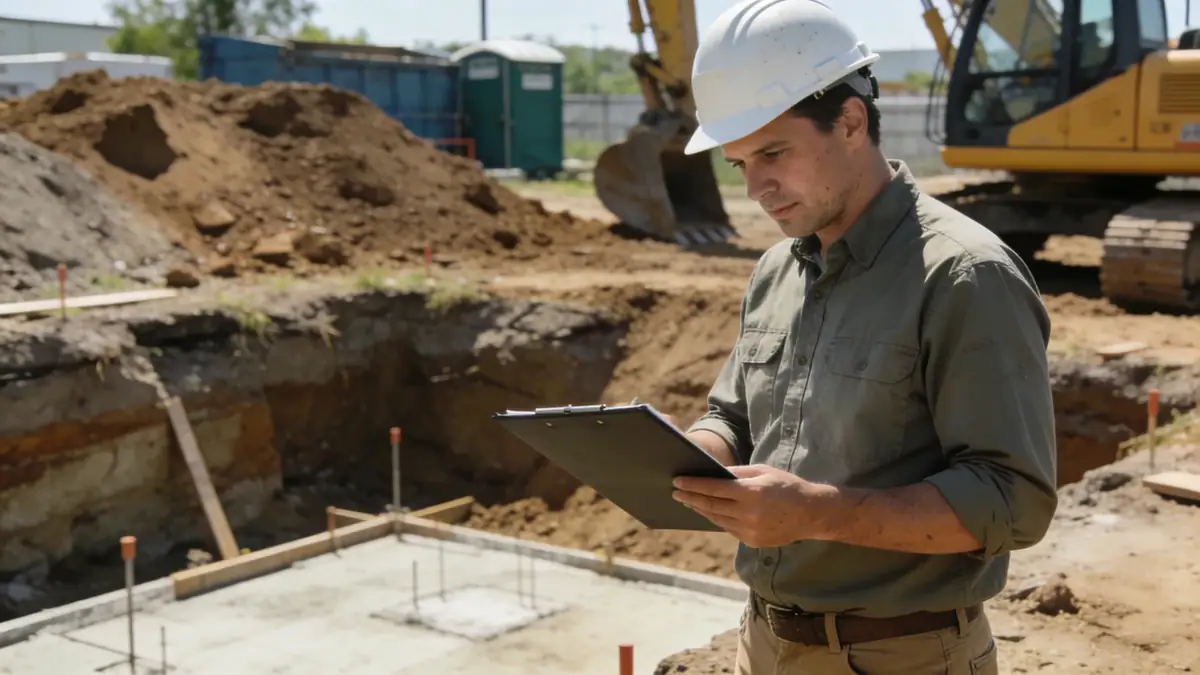
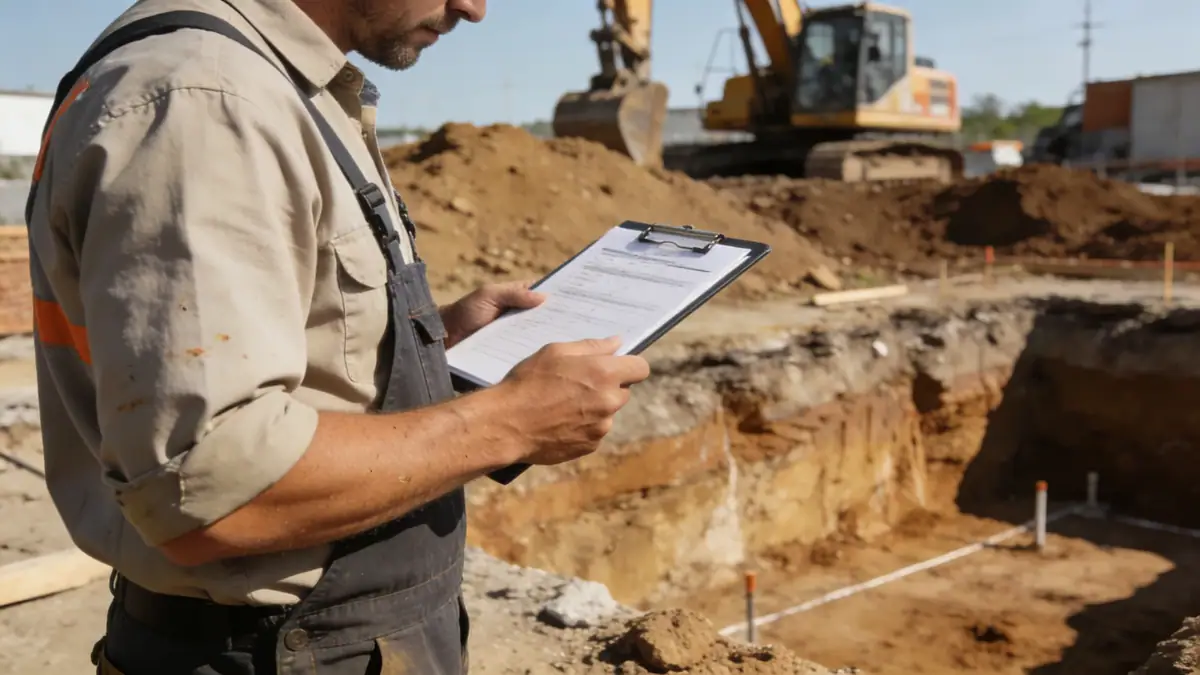
Our methodology for geotechnical engineering in Houston integrates field exploration, laboratory testing, and advanced analysis to characterize subsurface conditions. We begin with a comprehensive review of existing geological data and then perform targeted investigations using techniques such as spt boring to obtain soil samples and measure penetration resistance. Laboratory tests, including grain size distribution, Atterberg limits, and consolidation, are conducted per ASTM standards to classify soils and assess their engineering properties. Our approach emphasizes data integration and site-specific interpretation, ensuring that foundation design, slope stability, and earthwork recommendations are grounded in reliable evidence. This systematic methodology enables us to provide defensible geotechnical solutions that meet the demands of Houston's complex subsurface environment.
Reference Technical Parameters
| Parameter | Reference Value |
|---|---|
| Predominant soil type | Clay (high plasticity, expansive) |
| Maximum seismic acceleration (PGA) | 0.10–0.15 g (ASCE 7-16) |
| Typical groundwater level | 3–15 ft below surface |
| Bedrock depth | > 1,000 ft (sedimentary basin) |
| Typical N60 range | 2–15 (clays); 10–30 (sands) |
Local Considerations — Houston
Houston's geology is dominated by deep alluvial and marine clays of the Beaumont Formation, known for high plasticity and significant shrink-swell potential. Groundwater levels are shallow in many areas, requiring dewatering considerations for excavations. The region experiences low to moderate seismicity (PGA 0.10–0.15 g) per ASCE 7, but expansive soils pose greater risk. Contrasts exist between the flat coastal plain and the more stable soils near the Katy Prairie. Typical failure modes include foundation heave and slab cracking due to moisture changes. Our team applies local experience to tailor soil mechanics laboratory testing and analysis, ensuring designs account for these unique challenges.
Request a Quote
Our team reviews your project and issues an initial report at no cost.
Or write us directly at [email protected]
Services in Houston
Locations covered in Houston
Applicable Standards
- ASTM D1586 (Standard Test Method for Penetration Test and Split-Barrel Sampling of Soils)
- ASCE 7 (Minimum Design Loads and Associated Criteria for Buildings and Other Structures)
- International Building Code (IBC) with local amendments
- City of Houston Public Works Design Manual
Frequently Asked Questions
What types of soil are commonly found in Houston?
Houston's soils are predominantly high-plasticity clays (CH) of the Beaumont Formation, which are expansive and prone to volume changes with moisture. Sandy lenses and silty deposits are also present locally. Understanding these soil types is critical for foundation design and slab performance.
Is seismic design required for geotechnical engineering in Houston?
Yes, per ASCE 7, Houston is in Seismic Design Category B or C, with a maximum PGA of 0.10–0.15 g. While seismic risk is moderate compared to active zones, building codes mandate site-specific seismic analysis for certain structures, including liquefaction assessment and ground motion parameters.
Are geotechnical studies mandatory for construction in Houston?
For most commercial and multi-family projects, a geotechnical investigation is required by the City of Houston building department. Single-family homes may not be legally mandated, but lenders and engineers strongly recommend it to mitigate risks from expansive soils and ensure structural longevity.