Methodology
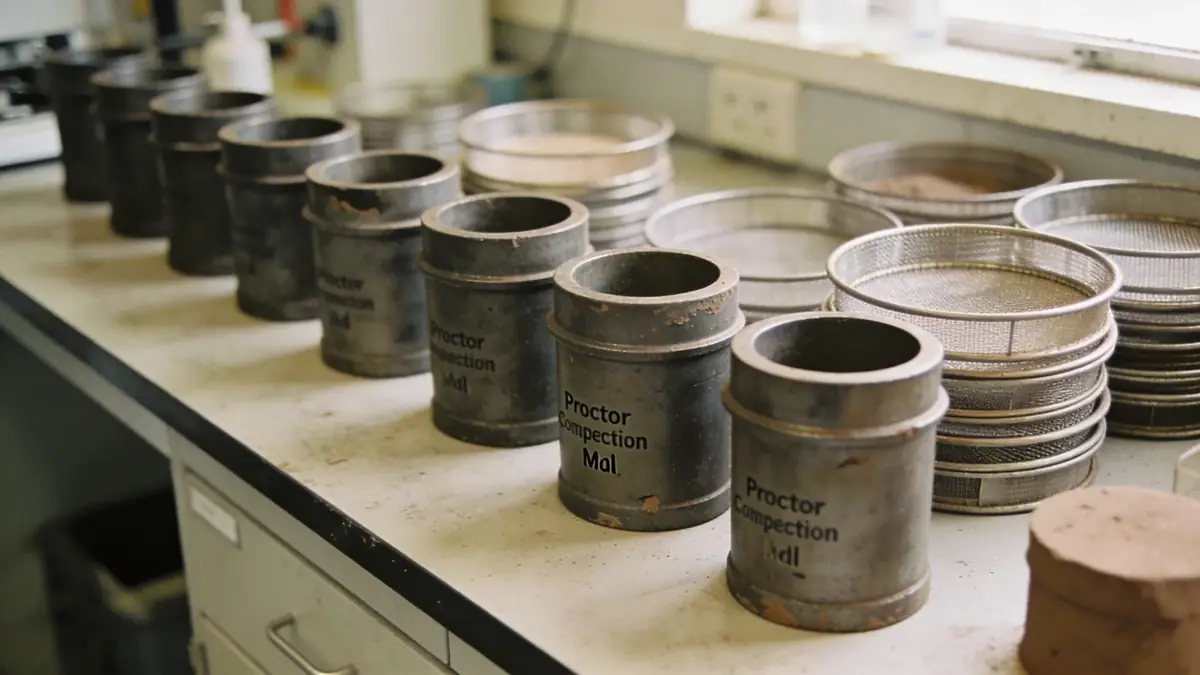
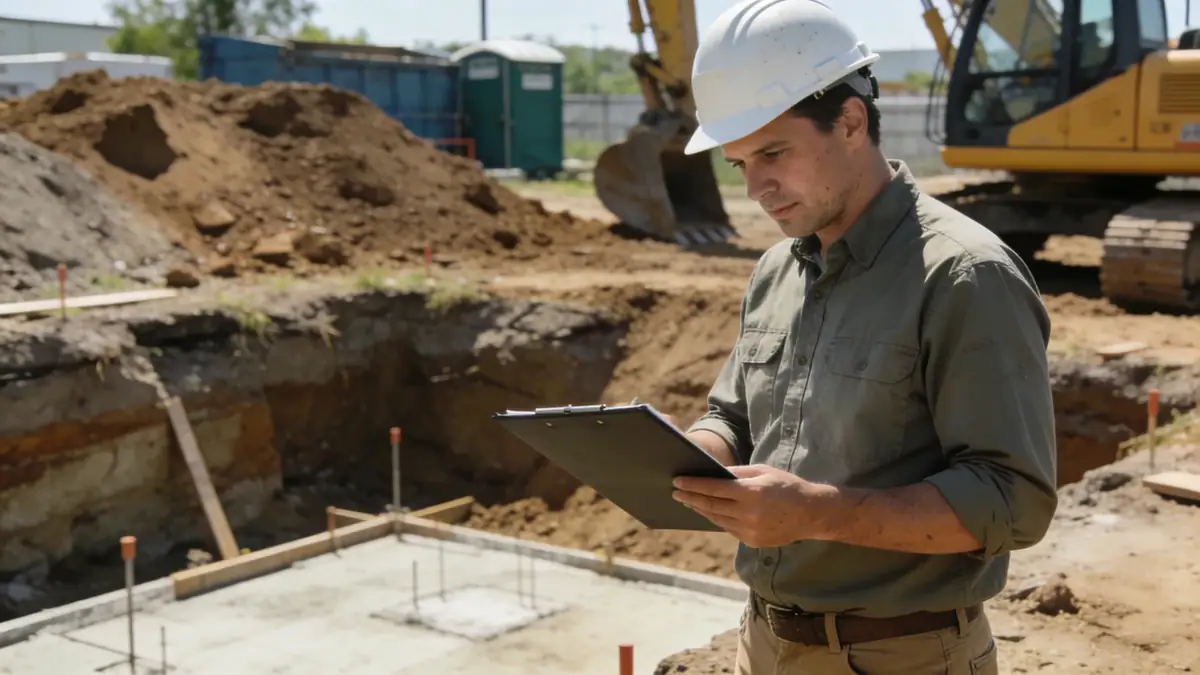
Our approach integrates site-specific investigations with advanced laboratory testing to characterize subsurface conditions in Oklahoma City. We perform spt boring according to ASTM D1586 to obtain soil samples and measure N-values, typically at 1.5 m intervals to depths of 15–30 m. This data is supplemented by cone penetration tests (CPT) for continuous profiling. In our soil mechanics laboratory, we conduct classification, compaction, and strength tests to develop geotechnical parameters. The results are used to assess bearing capacity, settlement, and seismic response, following ASCE 7-22 and local codes.
Reference Technical Parameters
| Parameter | Reference Value |
|---|---|
| Predominant soil type | Alluvial clay, silt, sand, and gravel |
| Peak ground acceleration (PGA) | 0.15g (ASCE 7-22, Site Class D) |
| Typical groundwater depth | 3–10 m below ground surface |
| Depth to bedrock | 30–60 m (Garber Sandstone) |
| Typical N60 range (SPT) | 5–30 blows per 0.3 m |
Local Considerations — Oklahoma City
Oklahoma City's geology features alluvial plains overlying the Garber-Wellington aquifer, with clays prone to shrink-swell behavior. Seismic design follows ASCE 7-22, with moderate PGA values. Site response analyses are critical for taller structures. Our team has addressed challenges such as high groundwater near the North Canadian River and expansive clays in northwest neighborhoods. For projects requiring specialized analysis, we also collaborate with our geotechnical engineering en Houston office, leveraging firm-wide expertise.
Request a Quote
Our team reviews your project and issues an initial report at no cost.
Or write us directly at [email protected]
Services in Oklahoma City
Applicable Standards
- ASTM D1586 (Standard Penetration Test)
- ASCE 7-22 (Minimum Design Loads for Buildings and Other Structures)
- IBC 2021 (International Building Code)
- Oklahoma City Building Code (2021 IBC with amendments)
Frequently Asked Questions
What are the typical soil conditions in Oklahoma City?
Soils are predominantly alluvial clays, silts, sands, and gravels underlain by the Garber Sandstone. Expansive clays are common and require careful foundation design.
Is seismic design required in Oklahoma City?
Yes, per ASCE 7-22, Oklahoma City is in a moderate seismic zone with a PGA of 0.15g. Seismic site classification and response analysis are necessary for most structures.
Are geotechnical studies mandatory for construction in Oklahoma City?
While not always legally required for single-family homes, geotechnical investigations are strongly recommended and often mandated by lenders or for commercial projects to ensure safety and code compliance.