Methodology
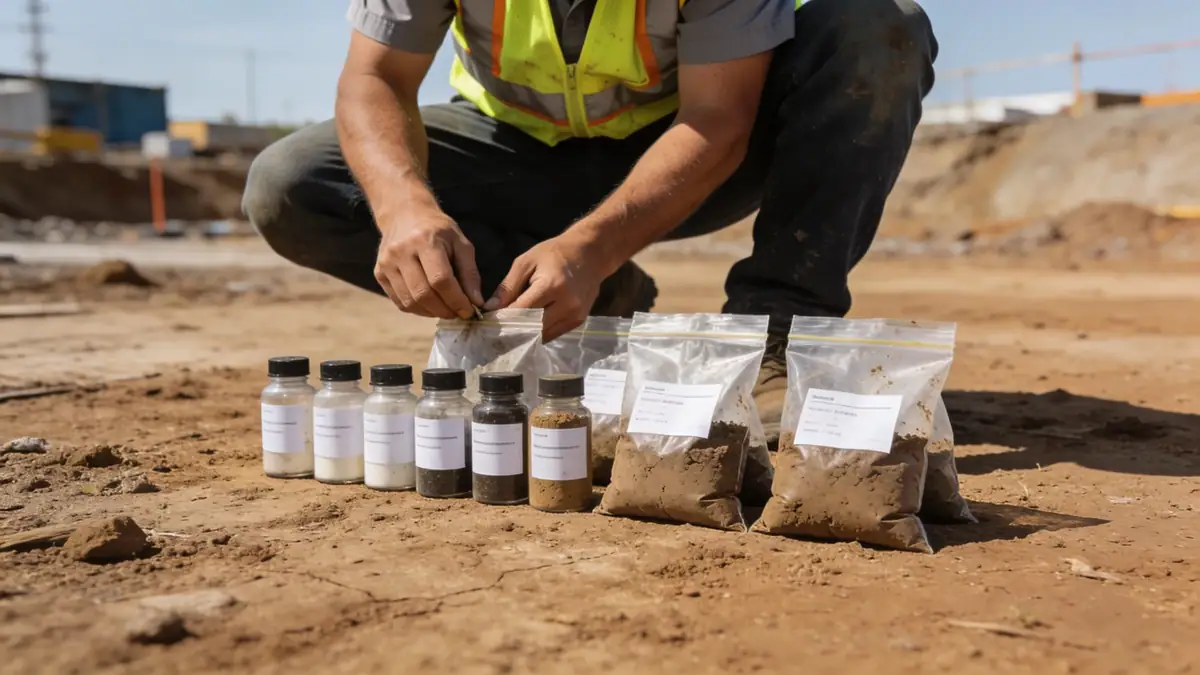
Our methodology in Phoenix begins with a thorough review of existing geological data and site-specific reconnaissance. We employ advanced techniques such as spt boring to assess soil stratigraphy and strength parameters, supplemented by laboratory testing in our soil mechanics laboratory. This integrated approach ensures accurate characterization of subsurface conditions, allowing us to provide reliable bearing capacity and settlement analyses.
Reference Technical Parameters
| Parameter | Reference Value |
|---|---|
| Predominant soil type | Alluvial sands, silts, and gravels with occasional clay lenses |
| Maximum seismic acceleration (PGA) | 0.15g to 0.25g (ASCE 7-16, Site Class D) |
| Typical groundwater level | 10 to 30 meters below ground surface |
| Bedrock depth | Variable, generally > 50 meters |
| Typical N60 range | 10 to 40 blows per foot (sands) |
Local Considerations — Phoenix
Phoenix's geology is dominated by deep alluvial deposits from the Salt River, with soils ranging from loose sands to cemented caliche layers. The arid climate results in deep groundwater tables, but localized perched water can occur near irrigation. Seismic design follows ASCE 7 with peak ground accelerations up to 0.25g. Expansive clay soils in certain areas require specialized foundation solutions. Our team has extensive experience with these conditions, including slope stability assessments for hillside developments.
Request a Quote
Our team reviews your project and issues an initial report at no cost.
Or write us directly at [email protected]
Services in Phoenix
Locations covered in Phoenix
Applicable Standards
- ASTM D1586 (Standard Penetration Test)
- ASCE 7-16 (Minimum Design Loads for Buildings)
- IBC 2021 (International Building Code)
- City of Phoenix Grading and Drainage Ordinance
- AASHTO M 145 (Soil Classification)
Frequently Asked Questions
What soil types are commonly found in Phoenix?
Phoenix soils are predominantly alluvial sands, silts, and gravels deposited by the Salt River. Caliche layers and localized expansive clays are also encountered, requiring careful evaluation for foundation design.
What seismic design standards apply in Phoenix?
Phoenix is in Seismic Design Category C per ASCE 7-16, with mapped spectral accelerations (Ss and S1) requiring site-specific response analysis for certain structures. Peak ground acceleration ranges from 0.15g to 0.25g depending on site class.
Are geotechnical investigations mandatory for construction in Phoenix?
While not always mandatory for all structures, the City of Phoenix requires geotechnical reports for grading permits, hillside developments, and buildings over a certain height. Lenders and insurers often require studies for risk mitigation.