Methodology
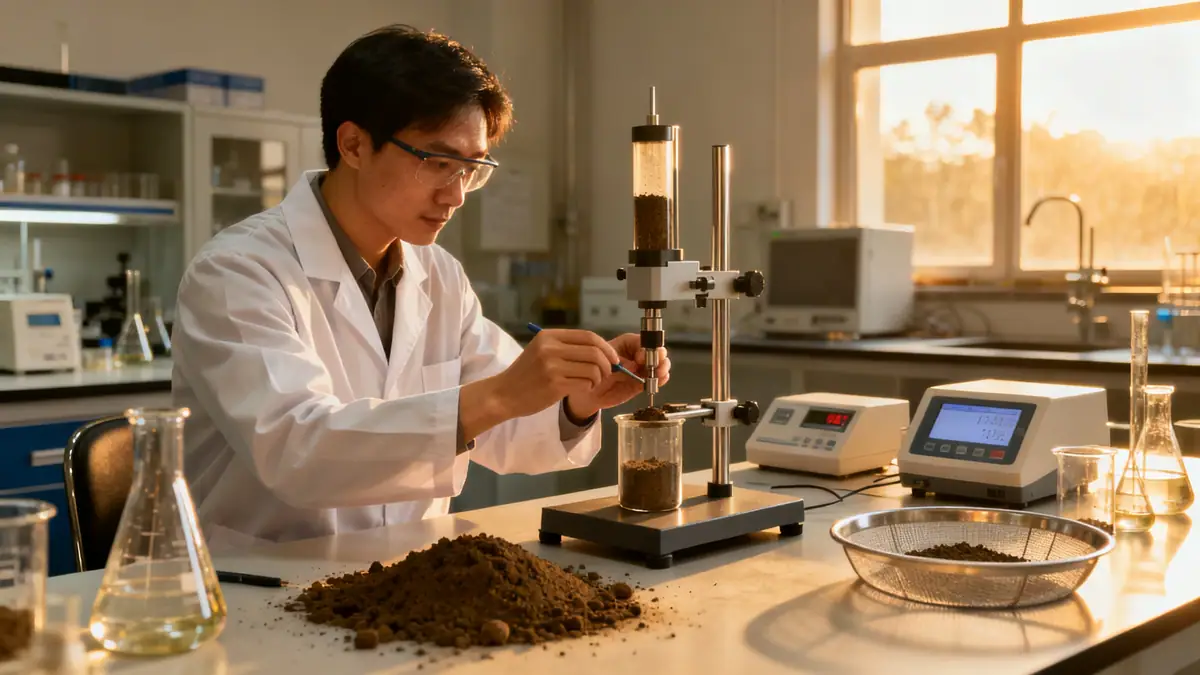
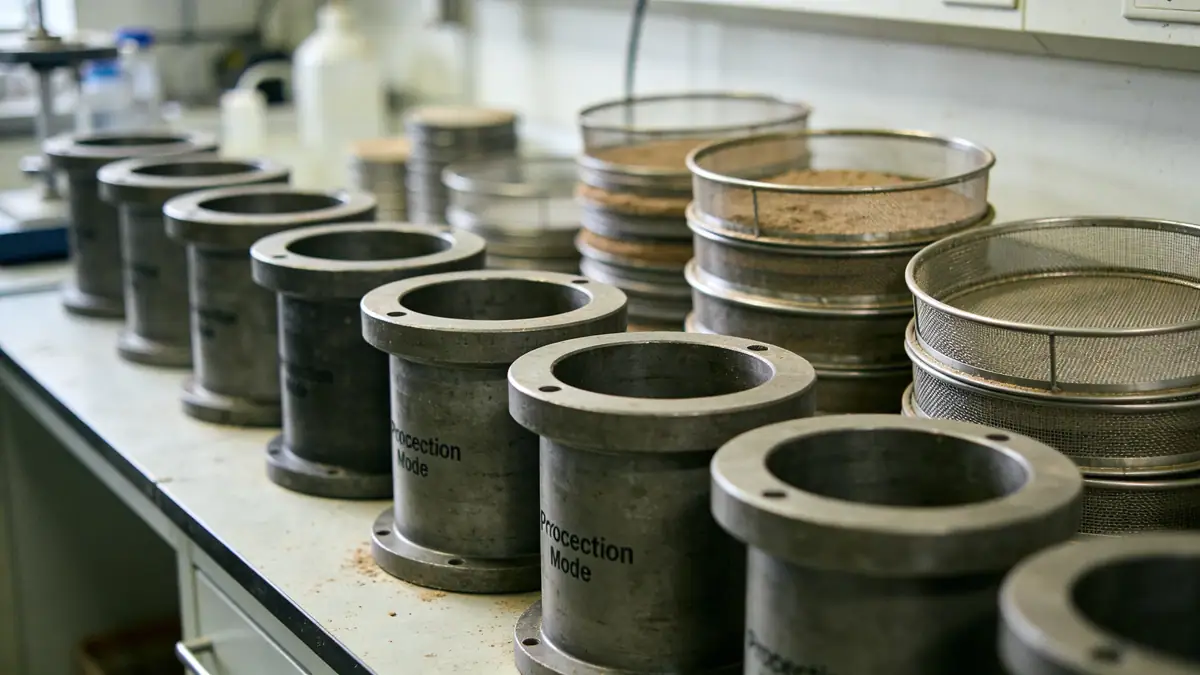
Our methodology follows ASTM D1586 for standard penetration testing and BS 5930 for soil description. We perform grain size analysis, Atterberg limits, and triaxial compression tests on undisturbed samples. For cohesive soils, unconfined compression tests are conducted at a strain rate of 0.5% per minute. Our laboratory is equipped with automated consolidation apparatus and direct shear boxes. Each test is cross-referenced with field data to ensure accuracy. We also offer specialized services such as SPT Boring and Slope Stability analysis, integrating laboratory results into numerical models for reliable design parameters.
Reference Technical Parameters
| Parameter | Reference Value |
|---|---|
| Unconfined Compressive Strength (qu) | 0.5 – 10 MPa |
| Cohesion (c') | 0 – 200 kPa |
| Friction Angle (φ') | 20° – 45° |
| Liquid Limit (LL) | 15 – 100% |
Local Considerations — USA
Regional soil variability across the US demands adaptive testing protocols. In the expansive clays of Arlington, Texas, we emphasize swell-consolidation tests, while in the glacial tills of Anchorage, Alaska, we focus on frozen soil strength parameters. Our team has extensive experience in seismic zones like Anaheim, California, where cyclic triaxial tests are critical for liquefaction assessment. By maintaining a nationwide network, we can deploy mobile laboratories to remote sites such as Allentown, Pennsylvania, ensuring timely results without compromising quality. This local expertise, combined with our central coordination from New York, allows us to deliver consistent, high-quality soil mechanics services.
Request a Quote
Our team reviews your project and issues an initial report at no cost.
Or write us directly at [email protected]
Applicable Standards
- ASTM D1586 – Standard Penetration Test
- ASTM D2487 – Classification of Soils for Engineering Purposes
- ASTM D2850 – Unconsolidated-Undrained Triaxial Compression Test
- Eurocode 7 – Geotechnical Design (EN 1997)
Frequently Asked Questions
What is the typical turnaround time for soil mechanics laboratory tests?
Standard testing, including classification and strength tests, is completed within 7–10 business days. For complex tests like cyclic triaxial or long-term consolidation, timelines may extend to 3–4 weeks. Our team provides a detailed schedule upon project initiation.
Which standards are used for soil classification in your laboratory?
We follow ASTM D2487 for Unified Soil Classification System (USCS) and ASTM D1586 for penetration resistance. For international projects, we also apply BS 5930 and Eurocode 7. All procedures are accredited and documented.
Can you test frozen or problematic soils (e.g., peat, expansive clays)?
Yes. Our laboratory handles frozen soils with temperature-controlled chambers and performs swell-consolidation tests on expansive clays. For organic soils like peat, we use specialized sampling and testing protocols to obtain reliable parameters.
How much does soil mechanics laboratory testing cost in the USA?
Costs typically range from $3,150 to $5,250 per project, depending on sample depth, accessibility, and number of tests. This range is a 2026 reference; we recommend requesting a specific quote tailored to your project's scope and location.