Methodology
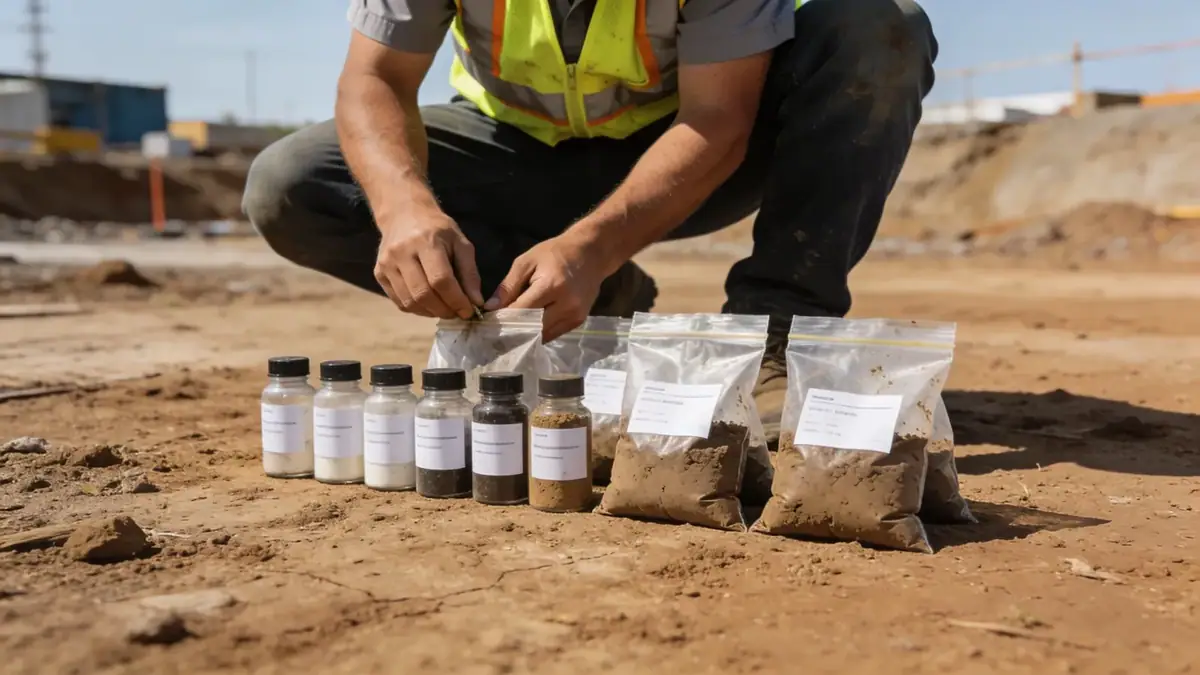
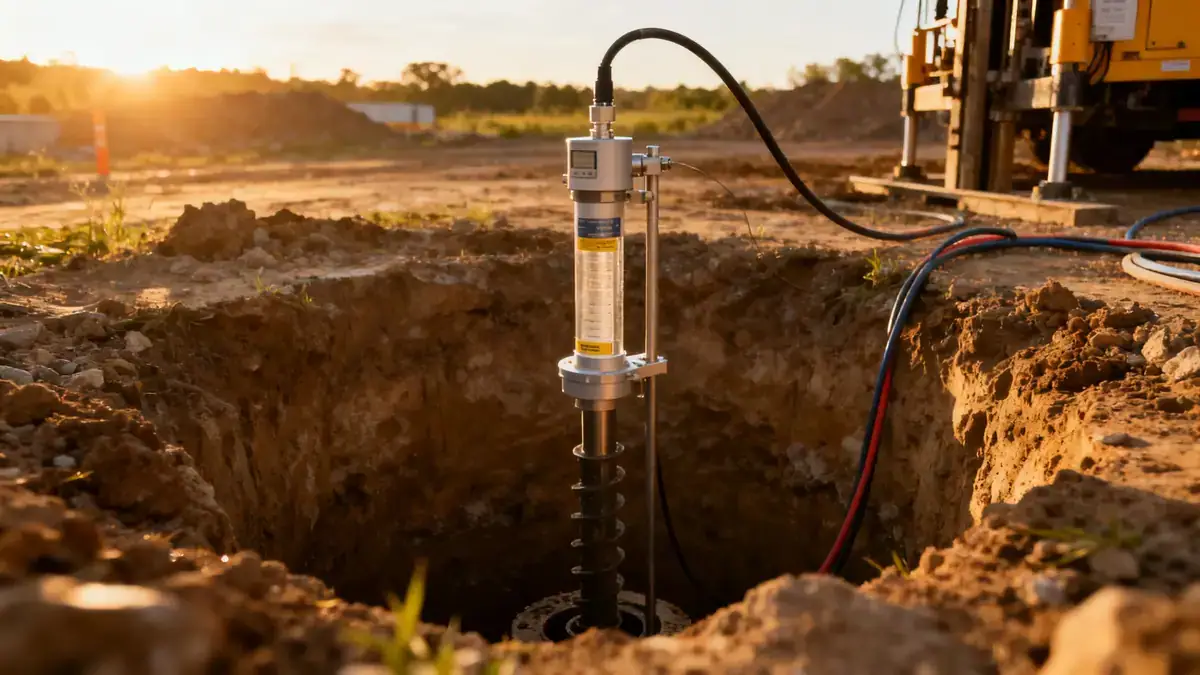
Our geotechnical engineering methodology in Chicago begins with a comprehensive review of existing geological maps and nearby boring logs to identify anticipated soil strata. We then execute a targeted field exploration program, typically utilizing spt boring with split-spoon sampling at 1.5-meter intervals per ASTM D1586, supplemented by thin-walled tube sampling in soft clays. In the laboratory, our soil mechanics laboratory performs index testing, strength testing, and consolidation testing to characterize the Chicago Blue Clay and related formations. We analyze data to develop soil profiles, bearing capacity, and settlement estimates, integrating local seismic site class per ASCE 7. This systematic approach provides the technical certainty required for foundation design in Chicago's complex subsurface conditions.
Reference Technical Parameters
| Parameter | Reference Value |
|---|---|
| Predominant soil type | Glacial till (hardpan) and lacustrine clay (Chicago Blue Clay) |
| Maximum seismic acceleration (PGA) | 0.10–0.15 g (ASCE 7 Site Class D) |
| Typical groundwater level | 3–6 m below ground surface (perched and confined aquifers) |
| Bedrock depth | 15–30 m (Niagara dolomite) |
| Typical N60 range (SPT) | 10–30 in clay, 30–60 in till |
Local Considerations — Chicago
Chicago's subsurface is dominated by the Chicago Formation: a sequence of glacial tills and lacustrine clays. The hardpan till provides excellent bearing capacity for deep foundations, but the overlying soft clays (e.g., Chicago Blue Clay) are highly compressible and can cause significant settlement if not properly analyzed. Groundwater is often perched within granular lenses, requiring careful dewatering planning. Seismic site classification per ASCE 7 typically falls into Site Class D or E due to thick soft soils. In the Loop, deeper bedrock supports high-rise caissons, while in outlying areas, spread footings on till are common. Our team routinely addresses challenges like underground utilities, existing foundations, and brownfield conditions. For advanced analysis, we offer slope stability assessments for excavations and retaining wall design for deep cuts.
Request a Quote
Our team reviews your project and issues an initial report at no cost.
Or write us directly at [email protected]
Services in Chicago
Locations covered in Chicago
Applicable Standards
- ASTM D1586 (Standard Penetration Test)
- ASCE 7 (Minimum Design Loads for Buildings)
- Chicago Building Code (Title 14B)
- ASTM D2487 (Unified Soil Classification System)
Frequently Asked Questions
What are the typical soil types encountered in Chicago?
Chicago soils are primarily glacial till (hardpan) and lacustrine clays, including the Chicago Blue Clay. These layers vary in thickness and stiffness across the city, with till offering high bearing capacity and clays posing settlement risks.
Is seismic analysis required for geotechnical engineering in Chicago?
Yes, per ASCE 7, Chicago falls into Seismic Design Category B or C, depending on site class. For structures with soft soil profiles (Site Class D or E), a site-specific seismic analysis may be necessary to evaluate liquefaction and ground motion amplification.
Are geotechnical investigations mandatory for construction in Chicago?
The Chicago Building Code requires subsurface investigations for most new structures and major renovations. A geotechnical report must document soil conditions, bearing capacity, and groundwater to support foundation design and permitting.