Methodology
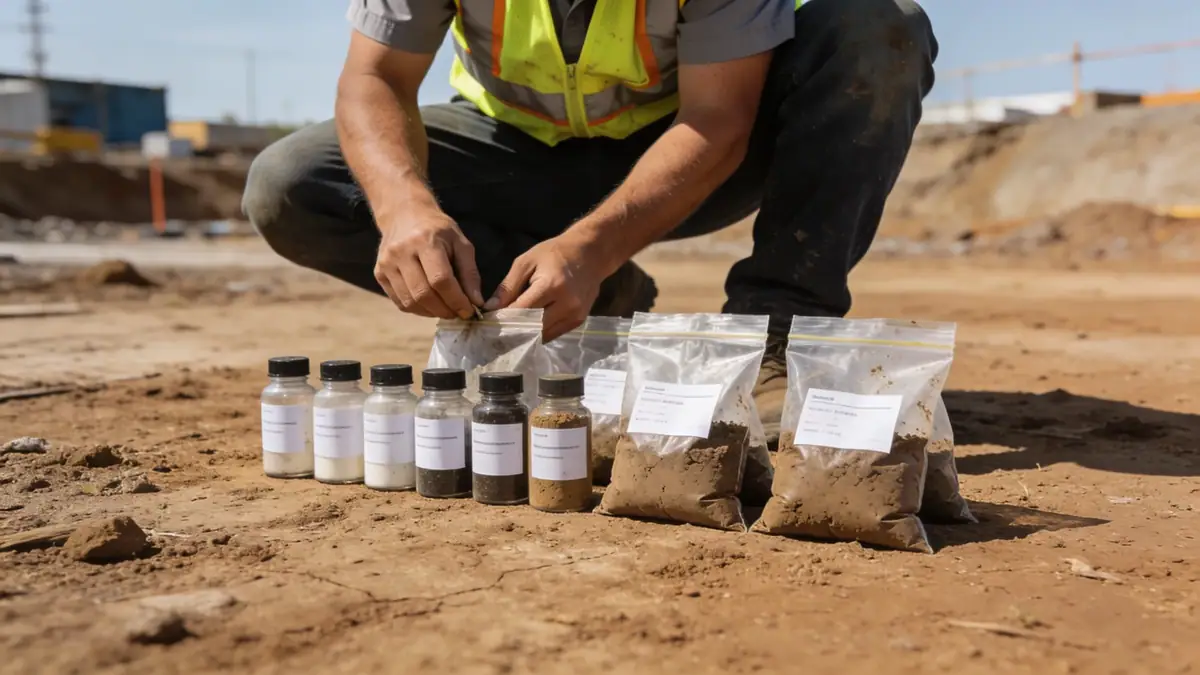
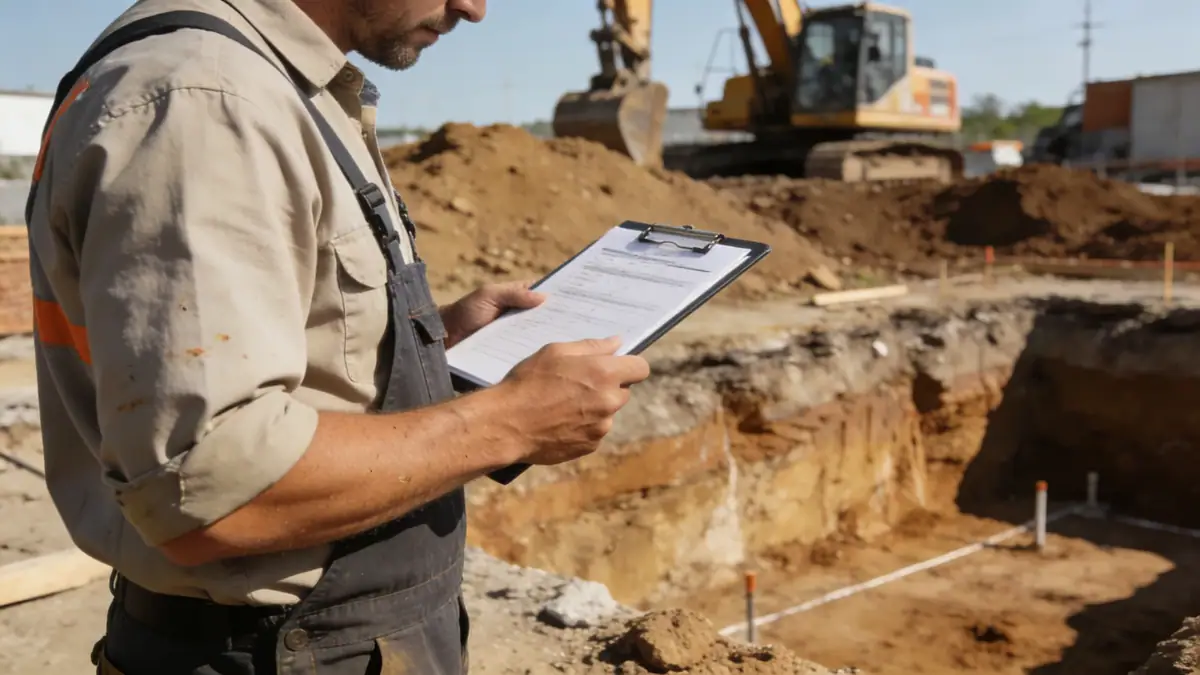
Our methodology for geotechnical engineering in Columbus Ohio begins with a thorough review of existing geological maps and records. We then conduct field investigations, including spt boring to obtain soil samples and measure blow counts (N60) per ASTM D1586. In our laboratory, we perform index tests such as grain size analysis (ASTM D6913) and Atterberg limits (ASTM D4318), along with strength tests like direct shear (ASTM D3080) and unconfined compression. For projects requiring settlement analysis, we run one-dimensional consolidation tests (ASTM D2435) under incremental loads up to 800 kPa. This integrated approach ensures that our geotechnical engineering in Columbus Ohio is both thorough and defensible.
Reference Technical Parameters
| Parameter | Reference Value |
|---|---|
| Predominant Soil Type | Glacial till (silty clay with sand and gravel) |
| Maximum Seismic Acceleration (PGA) | 0.09–0.12 g (ASCE 7-16) |
| Typical Groundwater Level | 3–6 m below grade, seasonally variable |
| Bedrock Depth | 30–60 m (Ohio Shale and limestone) |
| Typical N60 Range (Non-cohesive) | 10–30 blows/ft |
Local Considerations — Columbus Ohio
Columbus sits atop the Ohio Shale bedrock, overlain by glacial deposits up to 60 m thick. The predominant soils are silty clays of high plasticity, with occasional sand and gravel lenses. Groundwater levels fluctuate seasonally, often within 3–6 m of the surface, necessitating dewatering considerations for deep excavations. Seismic design per ASCE 7-16 requires site-specific response spectra due to moderate seismicity (PGA ~0.10 g). In older urban districts like Franklinton, fill and buried utilities complicate subsurface conditions. Our team frequently addresses differential settlement and slope stability for projects near the Scioto River. For a broader regional perspective, see our geotechnical engineering en Chicago hub.
Request a Quote
Our team reviews your project and issues an initial report at no cost.
Or write us directly at [email protected]
Services in Columbus Ohio
Applicable Standards
- ASTM D1586 (Standard Penetration Test)
- ASCE 7-16 (Minimum Design Loads for Buildings and Other Structures)
- ASTM D2487 (Classification of Soils for Engineering Purposes)
- Ohio Building Code (OBC) Chapter 18 (Soils and Foundations)
Frequently Asked Questions
What are the typical soil conditions in Columbus Ohio?
Soils in Columbus are dominated by glacial till—a dense mixture of clay, silt, sand, and gravel. Underlying bedrock is Ohio Shale at depths of 30–60 m. Groundwater is typically encountered between 3 and 6 m below grade.
Is seismic design required for projects in Columbus Ohio?
Yes. According to ASCE 7-16, Columbus falls within a moderate seismic zone with a maximum considered earthquake (MCE) PGA of approximately 0.10 g. Site-specific response spectra are often required for essential or high-occupancy structures.
Are geotechnical investigations mandatory for construction in Columbus?
The Ohio Building Code (OBC) requires a geotechnical investigation for most new structures, particularly those with shallow foundations on expansive soils or deep foundations. A qualified geotechnical engineer must evaluate subsurface conditions and provide foundation recommendations.