Methodology
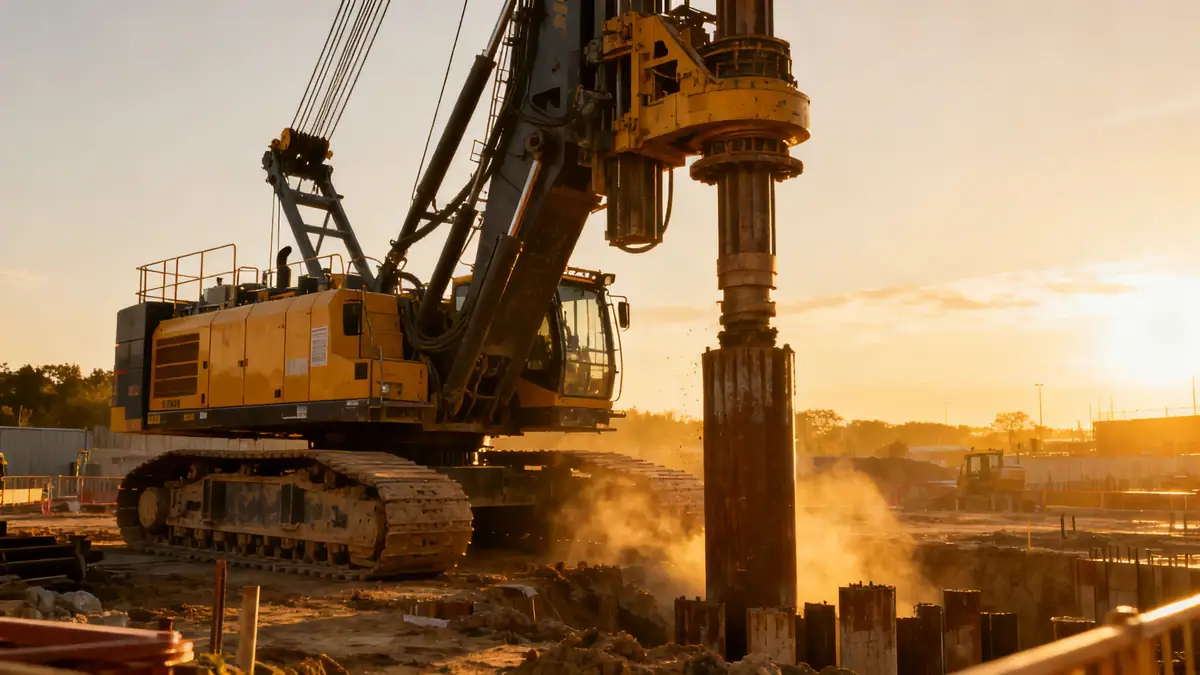
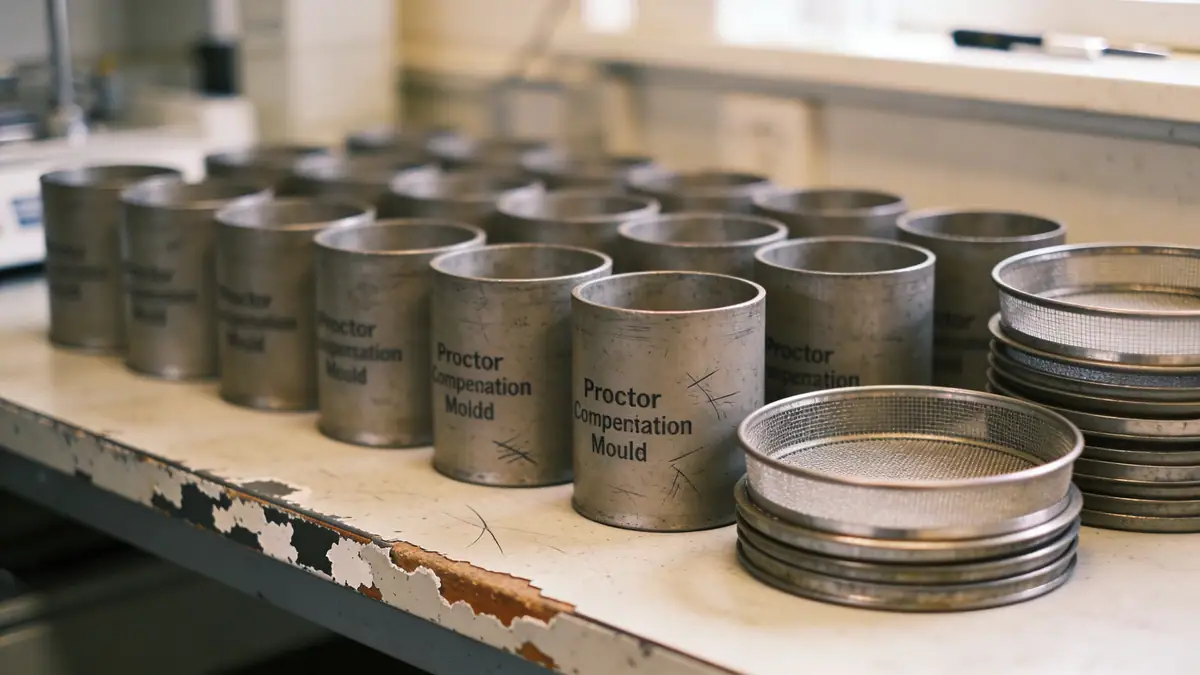
Our methodology begins with a comprehensive review of existing geologic maps, historical data, and site-specific conditions. We then execute a tailored subsurface exploration program, typically including Standard Penetration Test (SPT) borings, cone penetration tests (CPT), and test pits, coordinated with our SPT Boring service. Soil samples are retrieved and transported to our accredited laboratory for classification, strength, and consolidation testing under our Soil Mechanics Laboratory protocols. Data analysis employs limit equilibrium and finite element methods to evaluate slope stability and bearing capacity. For retaining structures, we apply lateral earth pressure theories per Coulomb and Rankine. All results are synthesized into a geotechnical report that provides specific design parameters and construction recommendations, adhering to the latest industry standards.
Reference Technical Parameters
| Parameter | Reference Value |
|---|---|
| SPT Blow Count (N-value) | 4–50 blows/ft (typical range for cohesionless soils) |
| Seismic Site Class | A–F per ASCE 7-22 |
| Allowable Bearing Capacity | 1,500–6,000 psf (typical for spread footings) |
| Soil Friction Angle | 28°–42° (effective stress, sands) |
| Cohesion (Undrained) | 500–4,000 psf (clays) |
Local Considerations — USA
The United States presents a wide range of geotechnical conditions, from the deep alluvial deposits of the Mississippi Valley to the glacially overridden soils of the Northeast and the tectonically active zones of the West Coast. Our firm accounts for regional seismicity per ASCE 7 seismic hazard maps, expansive clays in the Great Plains, and collapsible soils in arid regions. We also consider local groundwater regimes, frost penetration depths, and environmental regulations that vary by jurisdiction. By maintaining a national perspective while adapting to local codes and practices, we deliver context-appropriate solutions. For projects in Anchorage, for example, our team addresses permafrost and seismic loading conditions specific to Alaska.
Request a Quote
Our team reviews your project and issues an initial report at no cost.
Or write us directly at [email protected]
Applicable Standards
- ASTM D1586 (Standard Penetration Test)
- ASCE 7-22 (Minimum Design Loads and Associated Criteria)
- IBC 2021 (International Building Code)
- ASTM D2487 (Unified Soil Classification System)
Frequently Asked Questions
What is the typical depth of a geotechnical boring for a commercial building?
For a low- to mid-rise commercial structure, borings are typically advanced to a depth of 30 to 50 feet, or until bedrock or a competent bearing stratum is encountered. Deeper borings may be required for high-rises or specialized foundations.
How does seismic site classification affect foundation design?
Seismic site class (A through F) determines the soil amplification factors used in earthquake loading calculations per ASCE 7. A softer site (class E) amplifies ground motions more than a hard rock site (class A), directly impacting foundation design and lateral load resistance.
What is the difference between a geotechnical report and a soil investigation?
A soil investigation encompasses the field exploration and laboratory testing phases, while a geotechnical report interprets those results and provides specific recommendations for foundation type, bearing capacity, settlement estimates, and construction considerations.