Methodology
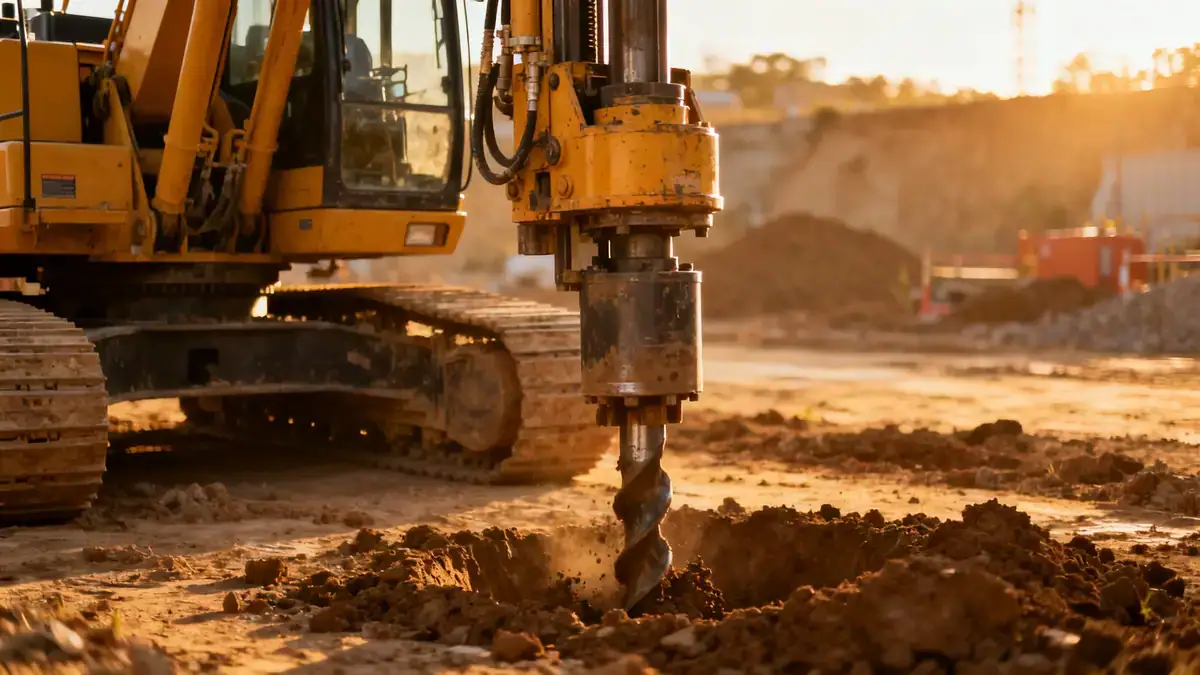
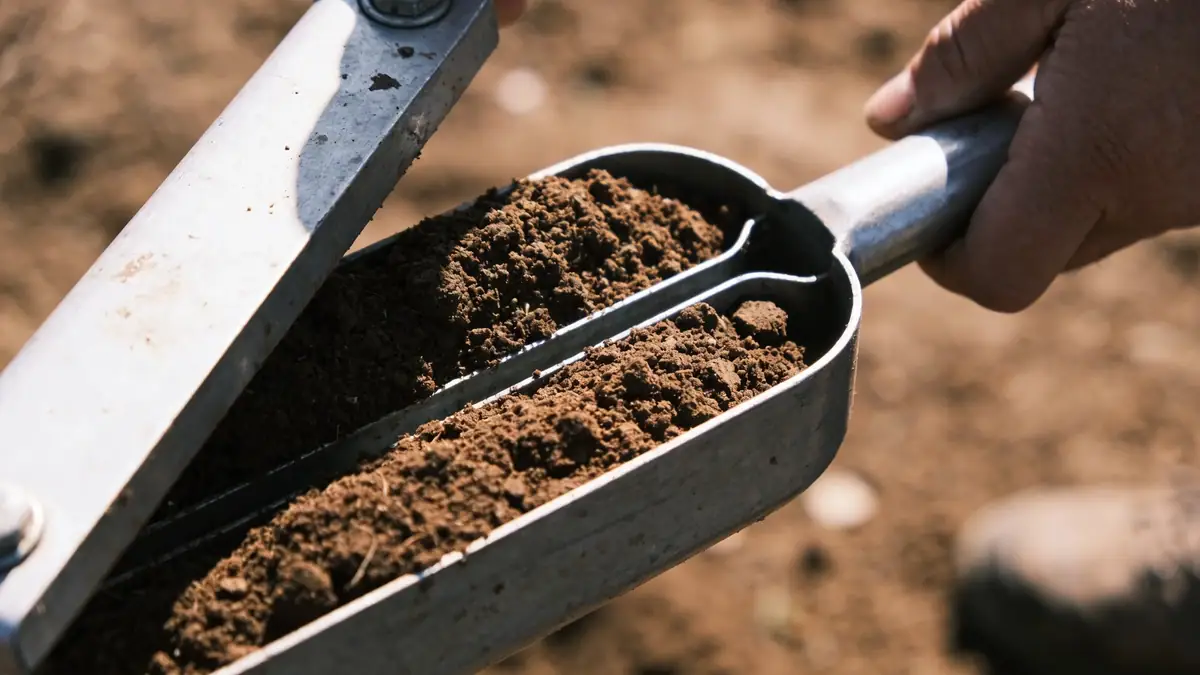
Our SPT boring methodology follows ASTM D1586-11 standards. A 63.5-kg hammer is dropped 760 mm to drive a split-barrel sampler 450 mm into the soil. The number of blows required for the final 300 mm penetration is recorded as the N-value. We use hollow-stem augers for drilling, with continuous sampling at 1.5 m intervals. Our rigs are equipped with automatic hammers for consistent energy delivery. Data is recorded on standardized field logs. For advanced analysis, we complement SPT with laboratory tests at our Soil Mechanics Laboratory.
Reference Technical Parameters
| Parameter | Reference Value |
|---|---|
| N-Value Range | 0–100 blows per 300 mm |
| Hammer Energy Ratio | 60–80% (automatic hammer) |
| Sampling Interval | 1.5 m (5 ft) standard |
| Maximum Depth | Up to 60 m (200 ft) depending on rig |
| Drilling Method | Hollow-stem auger (HSA) or mud rotary |
Local Considerations — USA
The US presents a wide range of geological conditions, from the soft clays of the Gulf Coast to the glacial tills of the Northeast and the alluvial deposits of the Southwest. In cities like Akron, Albuquerque, and Anchorage, SPT boring must account for variable soil types, seismic zones, and frost depth. Our team customizes testing intervals and hammer energy corrections per ASTM D6066 for liquefaction assessments. We have extensive experience in urban environments, coordinating with utilities and traffic. For specific regional insights, see our Akron services.
Request a Quote
Our team reviews your project and issues an initial report at no cost.
Or write us directly at [email protected]
Applicable Standards
- ASTM D1586-11: Standard Test Method for SPT
- ASTM D6066-11: Standard Practice for SPT in Liquefaction Assessment
- ASCE 7-22: Minimum Design Loads for Buildings (site class determination)
Frequently Asked Questions
What is the SPT boring procedure and how is the N-value calculated?
The SPT boring procedure involves driving a split-barrel sampler into the soil using a 63.5-kg hammer falling 760 mm. The N-value is the total blows for the last 300 mm of a 450 mm drive, recorded as blows per foot. This value indicates soil density and is used for foundation design.
How does ASTM D1586 govern SPT boring in the United States?
ASTM D1586 specifies the equipment, procedure, and reporting for SPT. It requires a standard hammer weight and drop height, a split-barrel sampler, and a drill rod system. Compliance ensures consistent N-values across projects, which is critical for geotechnical design.
What is the typical turnaround time for SPT boring results?
Field results are available immediately as N-values. Final reports, including soil classification and laboratory data, are typically delivered within 5-7 business days after field work. Urgent projects can be expedited upon request.
How much does SPT boring cost in the United States?
The cost for SPT boring typically ranges from $550 to $760 per test, depending on depth, accessibility, and number of tests. This range is a 2026 reference. For an accurate quote tailored to your project, please contact our team with site details.