Methodology
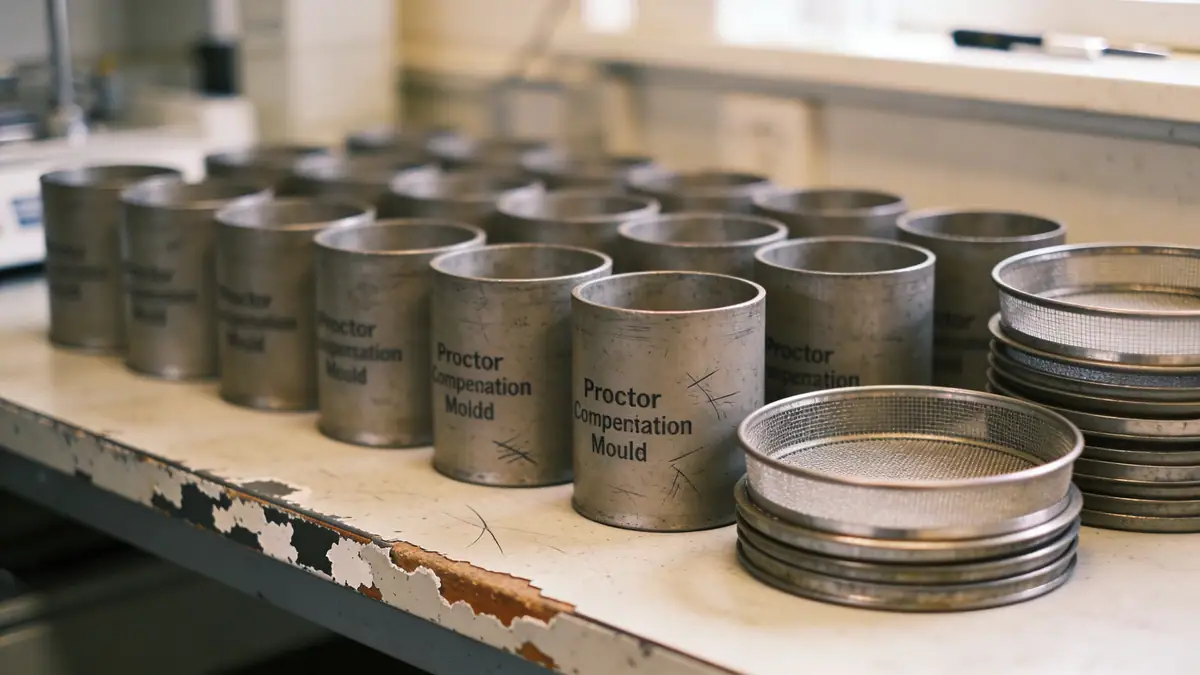
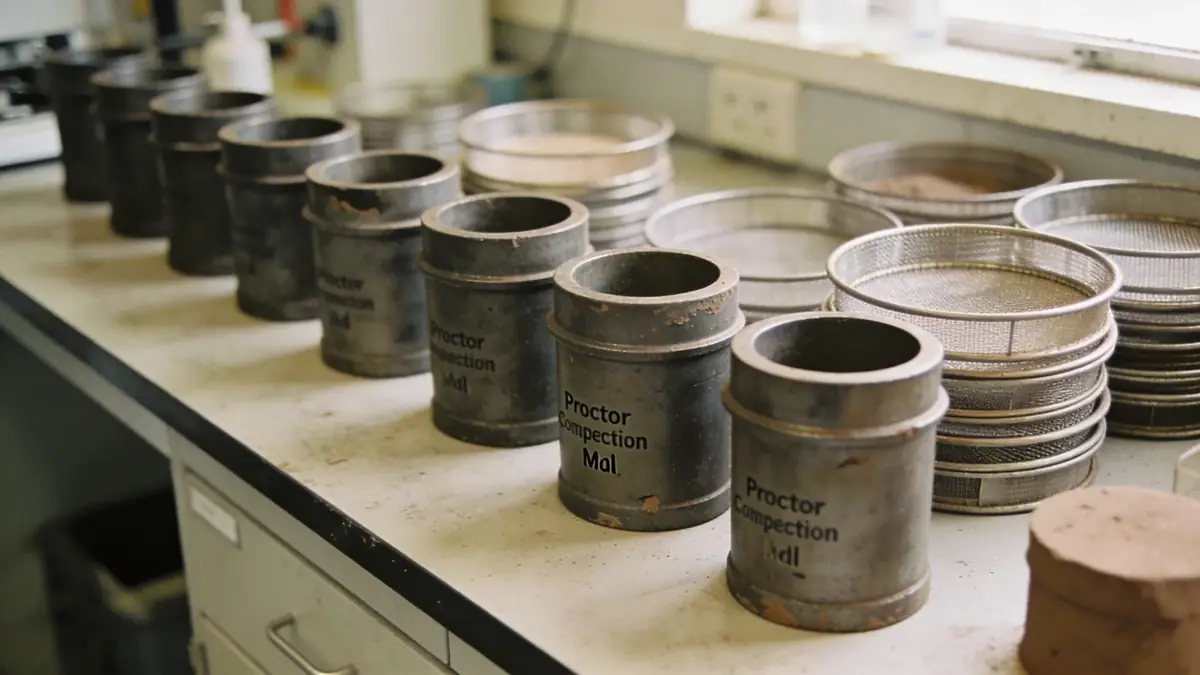
Our geotechnical engineering methodology in Denver begins with a thorough review of regional geological maps and historical data. We then conduct field investigations, including spt boring to collect soil samples at regular intervals, typically every 1.5 meters, in accordance with ASTM D1586. Laboratory testing follows, where we determine index properties, strength parameters, and consolidation characteristics. Our team integrates these findings with local seismic hazard assessments, using ASCE 7-16 to calculate design response spectra. This systematic approach allows us to develop reliable geotechnical recommendations for foundations, earthworks, and slope stability, ensuring project success in Denver's diverse geologic landscape.
Reference Technical Parameters
| Parameter | Reference Value |
|---|---|
| Predominant Soil Type | Clayey sand and sandy clay, with alluvial deposits along the South Platte River |
| Maximum Seismic Acceleration (PGA) | 0.15–0.25 g (Site Class D, per ASCE 7-16) |
| Typical Groundwater Level | 3–10 m below ground surface, variable by location |
| Bedrock Depth | 20–50 m (Denver Formation sandstone and shale) |
| Typical N60 Range | 10–30 blows/ft for native soils; higher in compacted fills |
Local Considerations — Denver
Denver's geology presents distinct challenges across its neighborhoods. In the downtown area, alluvial soils from the South Platte River can cause settlement issues, requiring deep foundations or ground improvement. The eastern plains feature expansive clays that swell with moisture, necessitating careful foundation design to avoid heave. To the west, near the foothills, colluvial soils and bedrock outcrops require slope stability analyses. Our team addresses these by conducting targeted slope stability studies and tailored laboratory testing. Groundwater levels vary significantly, with shallow water tables near waterways and deeper conditions elsewhere, influencing excavation and dewatering plans. Local building codes, including the Denver Building Code, reference ASCE 7 for seismic design, which is critical given the region's moderate seismicity from the Rocky Mountain Front.
Request a Quote
Our team reviews your project and issues an initial report at no cost.
Or write us directly at [email protected]
Services in Denver
Locations covered in Denver
Applicable Standards
- ASTM D1586 (Standard Test Method for Standard Penetration Test)
- ASCE 7-16 (Minimum Design Loads and Associated Criteria for Buildings and Other Structures)
- Denver Building Code (2021 IBC with amendments)
- ASTM D2487 (Standard Practice for Classification of Soils for Engineering Purposes)
Frequently Asked Questions
What are the typical soil types encountered in Denver?
Denver's soils vary widely: clayey sands and sandy clays are common, with expansive clays in the eastern plains and alluvial deposits near the South Platte River. Our team classifies soils using ASTM D2487 and provides foundation recommendations accordingly.
Is seismic design required for projects in Denver?
Yes, Denver is in a moderate seismic zone due to its proximity to the Rocky Mountain Front. The Denver Building Code requires seismic design per ASCE 7-16, with PGA values of 0.15–0.25 g for Site Class D. Our analyses incorporate site-specific response spectra.
Are geotechnical investigations mandatory for all construction in Denver?
The Denver Building Code mandates geotechnical investigations for most commercial and residential structures, especially where expansive soils or seismic risks are present. Our firm provides comprehensive studies to meet these requirements and ensure safe construction.