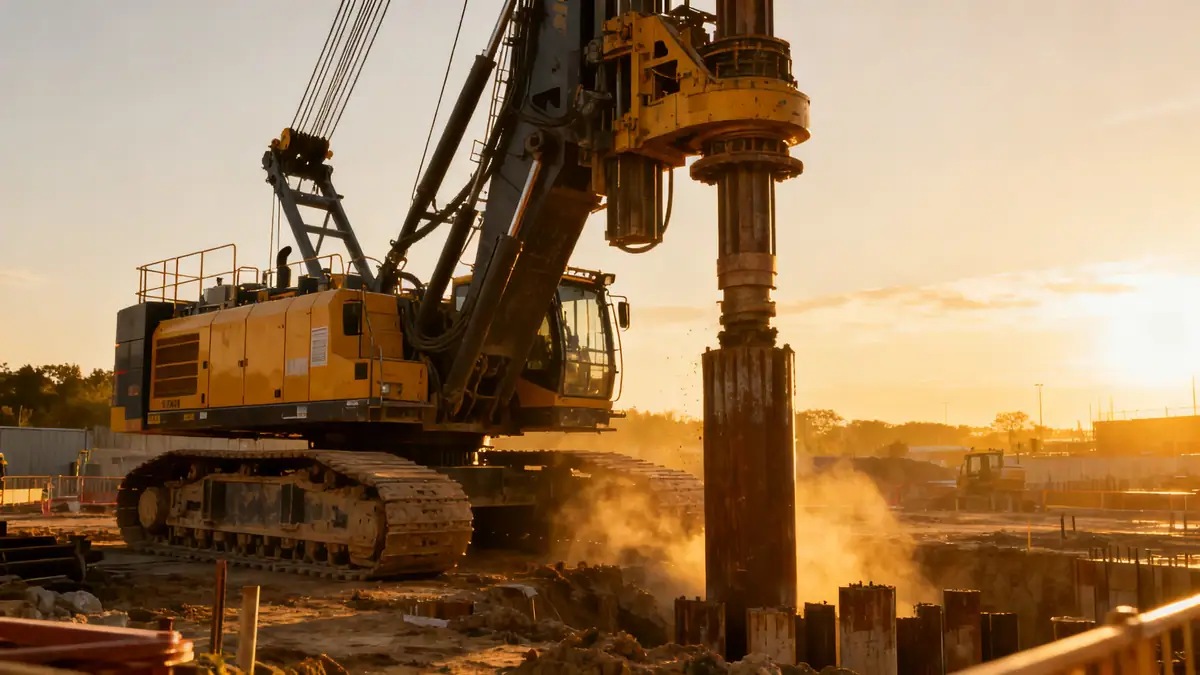
Methodology
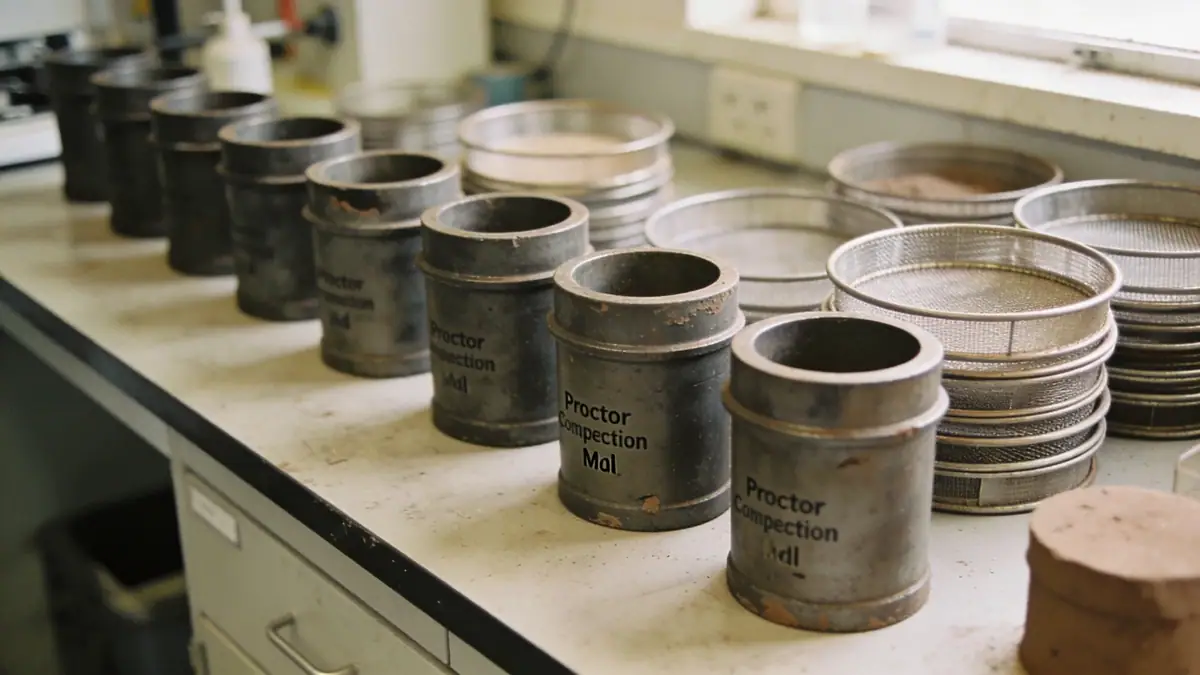
Our methodology for geotechnical engineering in Casper Wyoming integrates field investigations, such as spt boring per ASTM D1586, with laboratory testing to characterize soil and rock properties. We assess bearing capacity, settlement, and slope stability using site-specific data. For seismic design, we evaluate site class per ASCE 7 and perform liquefaction analysis where necessary. This systematic approach supports reliable foundation recommendations for projects across the city.
Reference Technical Parameters
| Parameter | Reference Value |
|---|---|
| Predominant soil type | Silty sand and gravel with clay layers |
| Maximum seismic acceleration (PGA) | 0.2g (ASCE 7-22, Site Class D) |
| Typical groundwater level | 3–6 m below ground surface |
| Bedrock depth | 15–30 m (shale and sandstone) |
| Typical N60 range | 10–30 blows/ft (SPT) |
Local Considerations — Casper Wyoming
Casper's geology is shaped by the North Platte River and underlying sedimentary formations. Soils typically consist of alluvial sands and gravels overlying claystone and sandstone bedrock. Groundwater is encountered at moderate depths, requiring dewatering considerations for deep excavations. Seismic site classification per ASCE 7 often yields Site Class D due to soil stiffness. In contrast, elevated areas near Casper Mountain feature shallow bedrock, suitable for spread footings. Our team coordinates with local authorities to ensure compliance with Wyoming's building codes, and we maintain a strong presence through our slope stability services for hillside developments. For broader regional context, our geotechnical engineering in Denver informs similar Front Range projects.
Request a Quote
Our team reviews your project and issues an initial report at no cost.
Or write us directly at [email protected]
Services in Casper Wyoming
Applicable Standards
- ASCE 7-22 (Minimum Design Loads for Buildings and Other Structures)
- ASTM D1586 (Standard Test Method for Standard Penetration Test)
- IBC 2021 (International Building Code)
- Wyoming State Building Code
Frequently Asked Questions
What soil types are common in Casper Wyoming for foundation design?
Casper's soils typically include silty sands, gravels, and clay layers from alluvial deposits. Bedrock consists of shale and sandstone at depths of 15–30 m. These conditions require careful evaluation of bearing capacity and settlement, especially in areas with variable soil stiffness.
Is a geotechnical study required for residential construction in Casper?
Yes, most jurisdictions in Natrona County require a geotechnical investigation for new residential construction, particularly in areas with expansive soils or seismic concerns. Studies per ASTM D1586 and ASCE 7 help determine foundation type and depth, ensuring compliance with local codes.
How does seismic activity affect geotechnical engineering in Casper?
Casper lies in a moderate seismic zone with a PGA of 0.2g per ASCE 7-22. Site-specific analysis is needed to assess liquefaction potential and soil amplification. Our evaluations include seismic site classification and dynamic soil properties to design resilient foundations.