Methodology
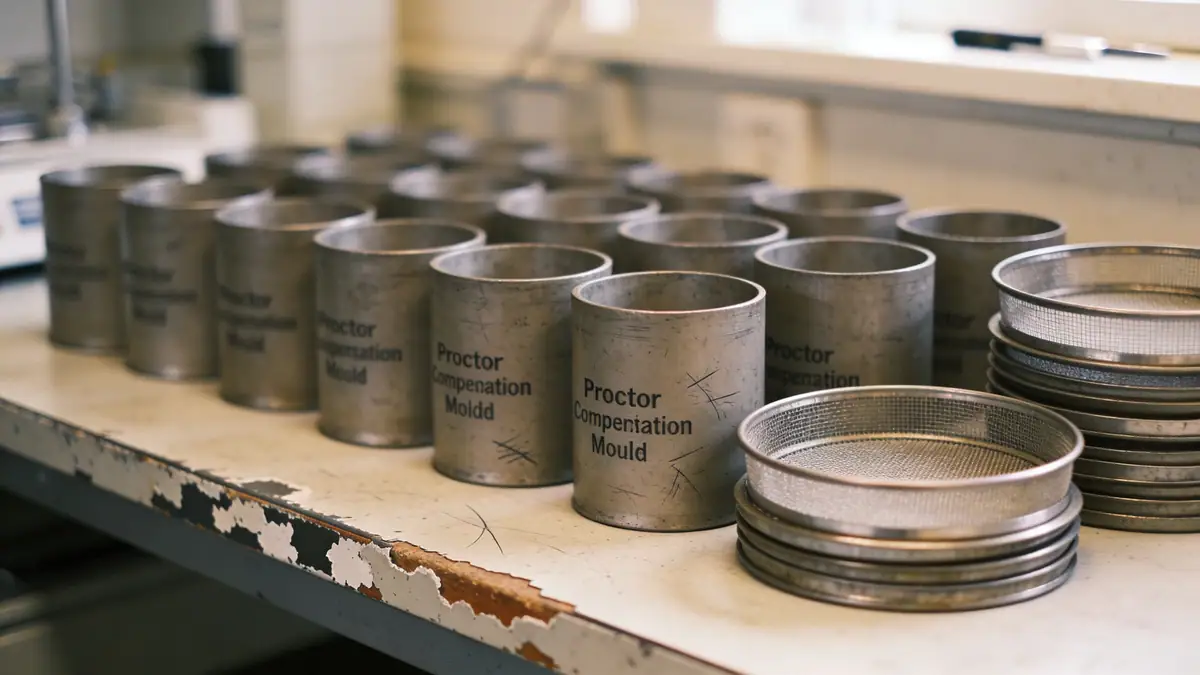
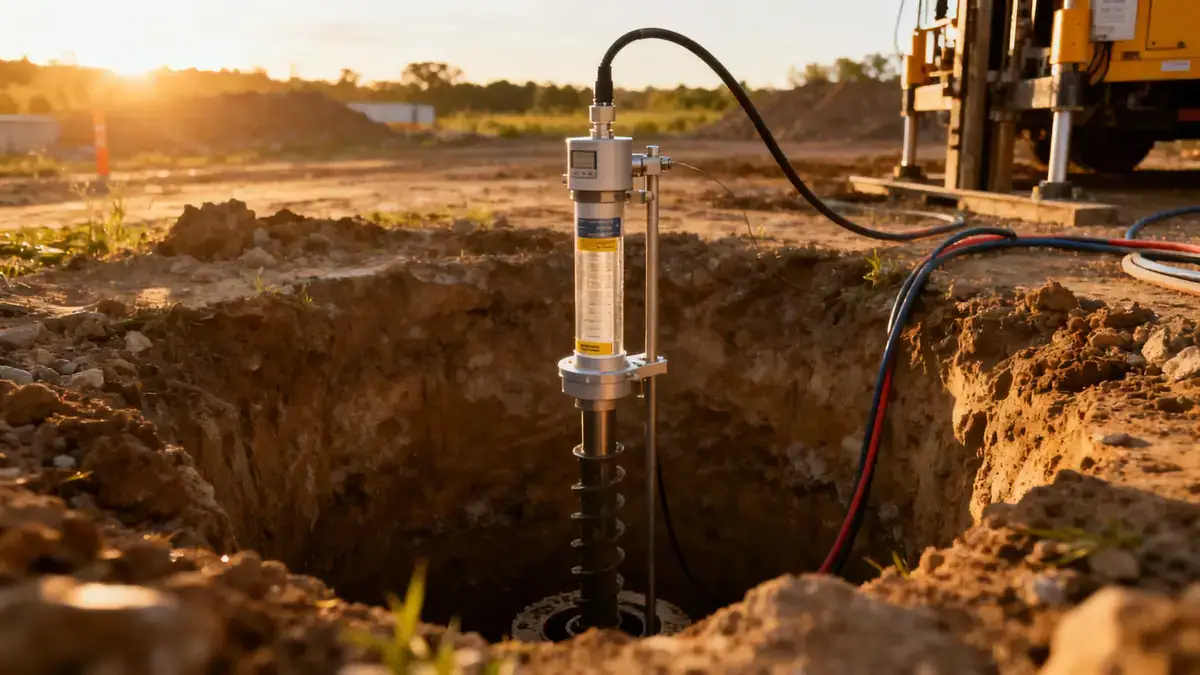
Our methodology in Miami combines comprehensive site investigation with rigorous laboratory testing. We employ spt boring to assess soil strength and stratigraphy, following ASTM D1586 standards. Field programs are tailored to capture variability across the city's limestone and sand deposits. Laboratory analyses, including consolidation and direct shear tests, provide essential parameters for foundation design. This integrated approach ensures reliable recommendations for bearing capacity, settlement, and seismic response, aligning with local building codes and ASCE 7 requirements.
Reference Technical Parameters
| Parameter | Reference Value |
|---|---|
| Predominant soil type | Porous limestone (Miami Limestone) and sandy soils |
| Maximum seismic acceleration (PGA) | 0.1g to 0.15g (ASCE 7) |
| Typical groundwater level | 1.5 to 3.0 m below ground surface |
| Bedrock depth | 2 to 10 m (limestone) |
| Typical N60 range | 10 to 50 blows/ft (variable) |
Local Considerations — Miami
Miami's subsurface is dominated by the Miami Limestone, a porous oolitic limestone with variable solution cavities, overlying sand and clay layers. The shallow groundwater table (1.5–3 m) requires dewatering and buoyancy considerations for deep excavations. Seismic hazard is moderate, with a maximum PGA of 0.15g per ASCE 7, necessitating site-specific response analyses for critical structures. Neighborhood contrasts exist: coastal areas like Brickell and South Beach have thicker sand covers and deeper bedrock, while inland zones (Coral Gables) feature shallower limestone. Typical foundation issues include sinkhole risk in karst zones and settlement on compressible organic soils. Our soil mechanics laboratory provides tailored testing to address these conditions.
Request a Quote
Our team reviews your project and issues an initial report at no cost.
Or write us directly at [email protected]
Services in Miami
Locations covered in Miami
Applicable Standards
- ASTM D1586 (Standard Penetration Test)
- ASCE 7 (Minimum Design Loads for Buildings)
- Florida Building Code (FBC) 2023
- ASTM D2487 (Unified Soil Classification)
Frequently Asked Questions
What are the typical soil conditions encountered in Miami?
Miami's subsurface primarily consists of Miami Limestone, a porous oolitic limestone, underlain by sandy soils and occasional clay layers. High groundwater levels are common, requiring careful dewatering and foundation design. The limestone may contain cavities, posing sinkhole risks that necessitate thorough site investigation.
Is seismic design required for structures in Miami?
Yes, per ASCE 7 and the Florida Building Code, Miami is in a moderate seismic zone with a maximum PGA of 0.15g. Site-specific seismic response analyses are often required for essential facilities or structures on soft soils to ensure compliance with code provisions.
When is a geotechnical investigation mandatory in Miami?
Geotechnical investigations are required for most new construction under the Florida Building Code, especially for buildings with more than three stories, major renovations, or sites with known geohazards. The scope typically includes borings, laboratory testing, and a report with foundation recommendations.