Methodology
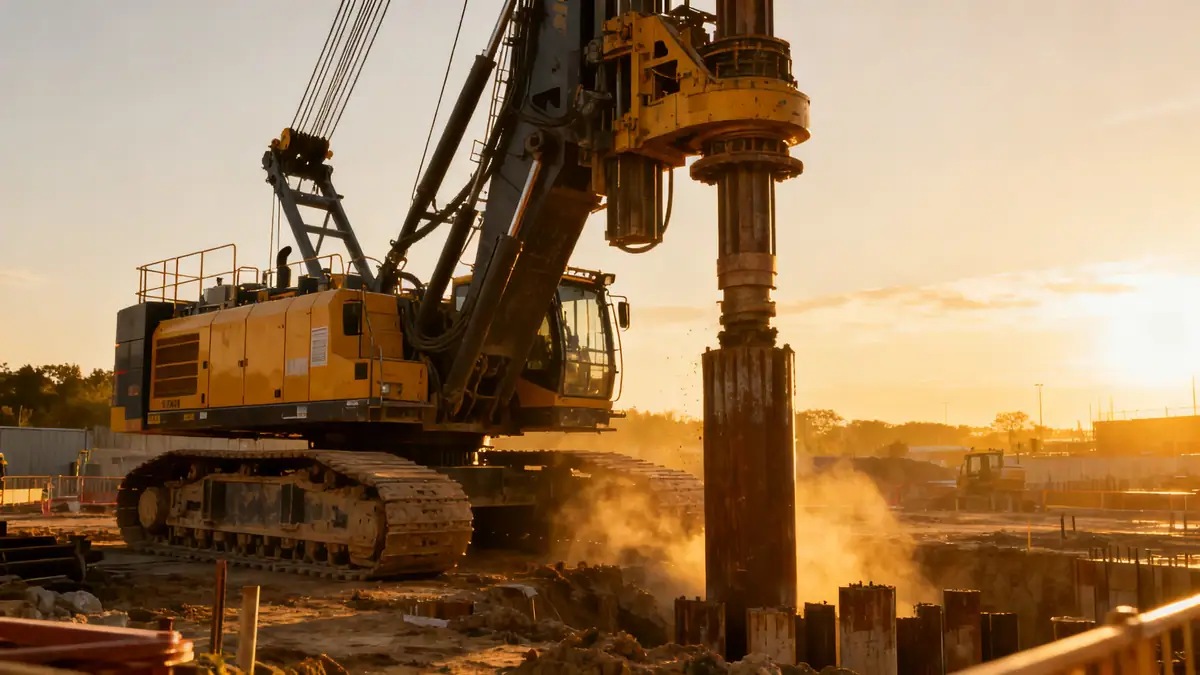
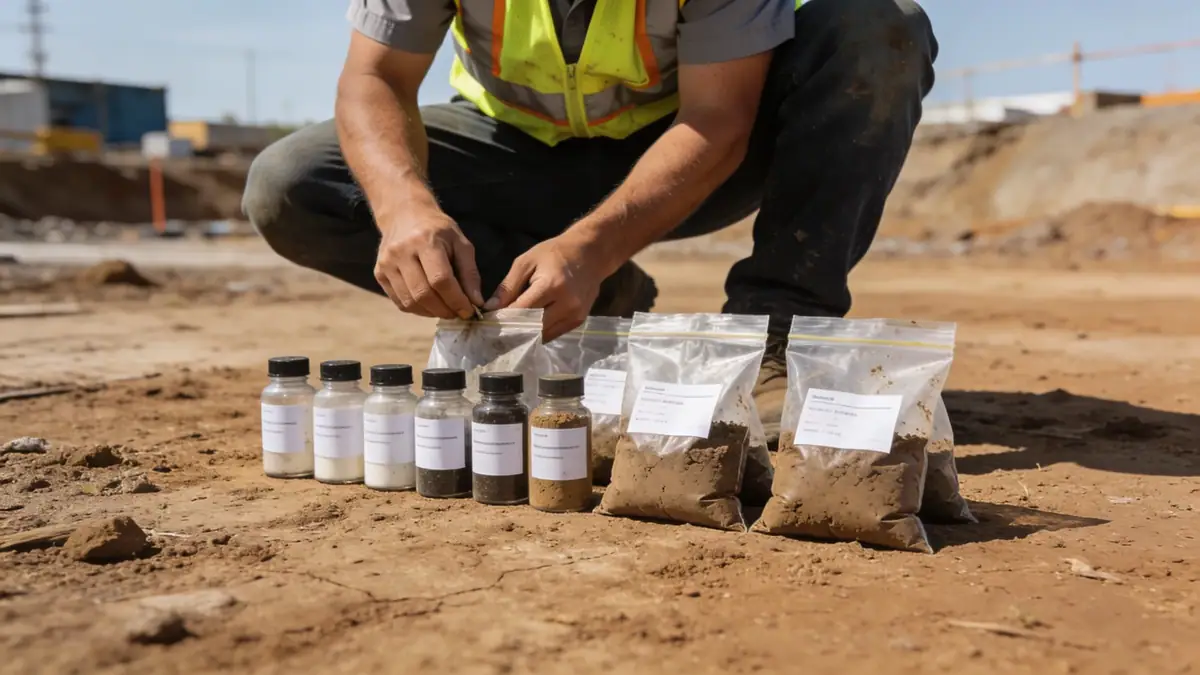
Our geotechnical methodology in Hialeah follows a phased approach beginning with a comprehensive review of existing geologic maps, hydrogeologic data, and nearby project records. Field investigations incorporate standard penetration testing (SPT) per ASTM D1586 at intervals of 1.0 to 1.5 meters, with typical boring depths of 8 to 15 meters for low-rise structures. We also perform cone penetration testing (CPT) to obtain continuous stratigraphic profiles. Laboratory programs include moisture content, grain size distribution (ASTM D6913), Atterberg limits (ASTM D4318), and triaxial shear strength tests. Our spt boring services are critical for evaluating the variable limestone and sand layers. All data are integrated into a geotechnical model that informs bearing capacity, settlement estimates, and seismic site classification according to ASCE 7.
Reference Technical Parameters
| Parameter | Reference Value |
|---|---|
| Predominant Soil Type | Oolitic limestone, silty sand (SP-SM), and sandy clay (CL) |
| Peak Ground Acceleration (PGA) | 0.15g to 0.20g (0.2 sec spectral response, Site Class D) |
| Typical Groundwater Level | 1.5 to 3.0 meters below ground surface |
| Bedrock Depth | 5 to 15 meters (limestone formation) |
| Typical N60 Range | 10 to 40 blows/300mm (SPT in sand/limestone) |
Local Considerations — Hialeah
Hialeah's geology presents distinct challenges. The shallow limestone bedrock can cause excavation difficulties and differential settlement in areas where the rock surface is irregular. The high groundwater table requires dewatering considerations and may necessitate special foundation systems like mat foundations or deep piles. Seismic site classification per ASCE 7 typically falls under Site Class D (stiff soil) or C (dense soil/soft rock), influencing design spectra. For projects near the Miami Canal or other waterways, soil variability increases, requiring more frequent borings. Our team has extensive experience navigating these local conditions. For broader regional context, we collaborate with our geotechnical engineering en Miami hub, ensuring consistent standards across South Florida.
Request a Quote
Our team reviews your project and issues an initial report at no cost.
Or write us directly at [email protected]
Services in Hialeah
Applicable Standards
- ASTM D1586 – Standard Test Method for Penetration Test (SPT)
- ASCE 7 – Minimum Design Loads for Buildings (Seismic)
- ASTM D6913 – Particle Size Distribution
- ASTM D4318 – Atterberg Limits
- Florida Building Code (FBC) – Chapter 18 Soils and Foundations
Frequently Asked Questions
What are the typical soil conditions encountered in Hialeah?
Hialeah's subsurface consists of oolitic limestone overlain by sandy soils and silty sands, with occasional clay layers. The groundwater table is shallow, typically within 1.5 to 3 meters. These conditions require careful evaluation for foundation design, especially regarding bearing capacity and settlement.
Is a geotechnical study required for building permits in Hialeah?
Yes, the Florida Building Code mandates a geotechnical investigation for most new construction and additions. The scope depends on structure size and occupancy. Our firm provides the necessary soil borings, laboratory testing, and engineering reports to satisfy permit requirements.
How does seismic design apply to Hialeah?
Hialeah is in a moderate seismic zone per the Florida Building Code, with a peak ground acceleration of 0.15g to 0.20g. Soil amplification due to deep sand layers can increase demands. Our analyses include site-specific response spectra per ASCE 7 to ensure safe design.