Methodology

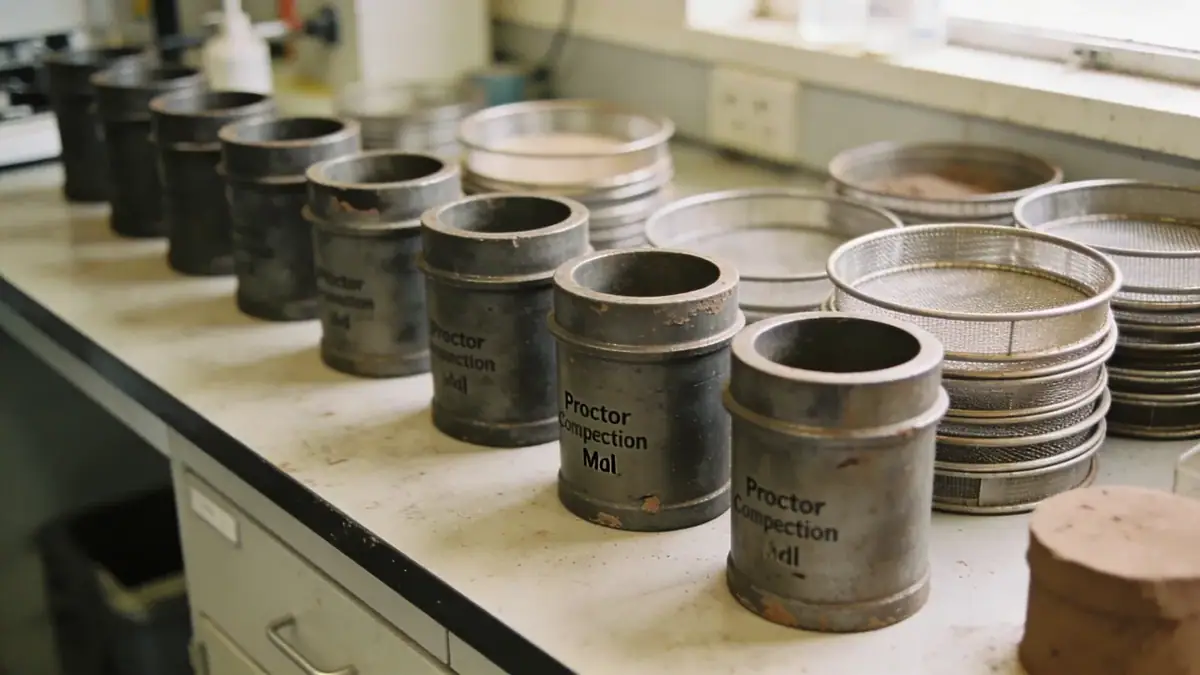
Our approach to geotechnical engineering in Seattle begins with a comprehensive review of existing geological maps and historical data. We then conduct field exploration programs, which may include spt boring to obtain soil samples and measure blow counts in accordance with ASTM D1586, cone penetration testing (CPT) for continuous stratigraphic logging, and test pit excavations. Laboratory testing on recovered samples determines index properties, strength, and consolidation characteristics. This integrated methodology allows us to develop a reliable subsurface model, assess seismic site class per ASCE 7, and provide site-specific recommendations for foundations, earthworks, and slope stability.
Reference Technical Parameters
| Parameter | Reference Value |
|---|---|
| Predominant Soil Type | Glacial till (Vashon till) and alluvial deposits |
| Maximum Seismic Acceleration (PGA) | 0.4–0.6 g (ASCE 7 seismic design category D–E) |
| Typical Groundwater Level | 2–8 m below surface, varies seasonally |
| Bedrock Depth | 20–100 m (Seattle's Duwamish formation) |
| Typical N60 Range (SPT) | 10–50 blows/ft (glacial till: 30–50; alluvium: 10–30) |
Local Considerations — Seattle
Seattle's geology is dominated by glacial till, a dense, heterogeneous soil that provides good bearing capacity but can be difficult to excavate. In areas like the Duwamish River valley, soft alluvial deposits and high groundwater levels require careful dewatering and foundation engineering. The city's proximity to the Cascadia subduction zone imposes high seismic risk, with peak ground accelerations of 0.4–0.6 g. Site response analyses are often needed to evaluate liquefaction potential in loose sands and silts. Neighborhoods such as Capitol Hill and Queen Anne, underlain by glacial till, contrast with the fill soils of the waterfront district. Our slope stability studies are critical for hillside developments, while retaining wall design addresses cut-and-fill transitions common in the city's terrain.
Request a Quote
Our team reviews your project and issues an initial report at no cost.
Or write us directly at [email protected]
Services in Seattle
Locations covered in Seattle
Applicable Standards
- ASTM D1586
- ASCE 7
- IBC 2021
- Seattle Municipal Code (Title 23)
Frequently Asked Questions
What are the typical soil conditions encountered in Seattle?
Seattle's subsurface consists primarily of glacial till (dense, low permeability) and alluvial deposits (sand, silt, clay). Till offers good bearing capacity, while alluvium may present settlement and liquefaction risks. Groundwater levels vary, often encountered at 2–8 m depth.
How does seismic design affect geotechnical engineering in Seattle?
Seattle falls under seismic design categories D–E per ASCE 7 due to high subduction zone earthquake potential. Geotechnical investigations must evaluate liquefaction, lateral spreading, and site amplification. Peak ground acceleration (PGA) of 0.4–0.6 g influences foundation and slope designs.
Is a geotechnical investigation mandatory for construction in Seattle?
The Seattle Municipal Code requires geotechnical reports for most new buildings, additions, and hillside developments. The report must address soil conditions, seismic hazards, slope stability, and foundation recommendations. Local regulations also necessitate peer review for projects in sensitive areas.