Methodology
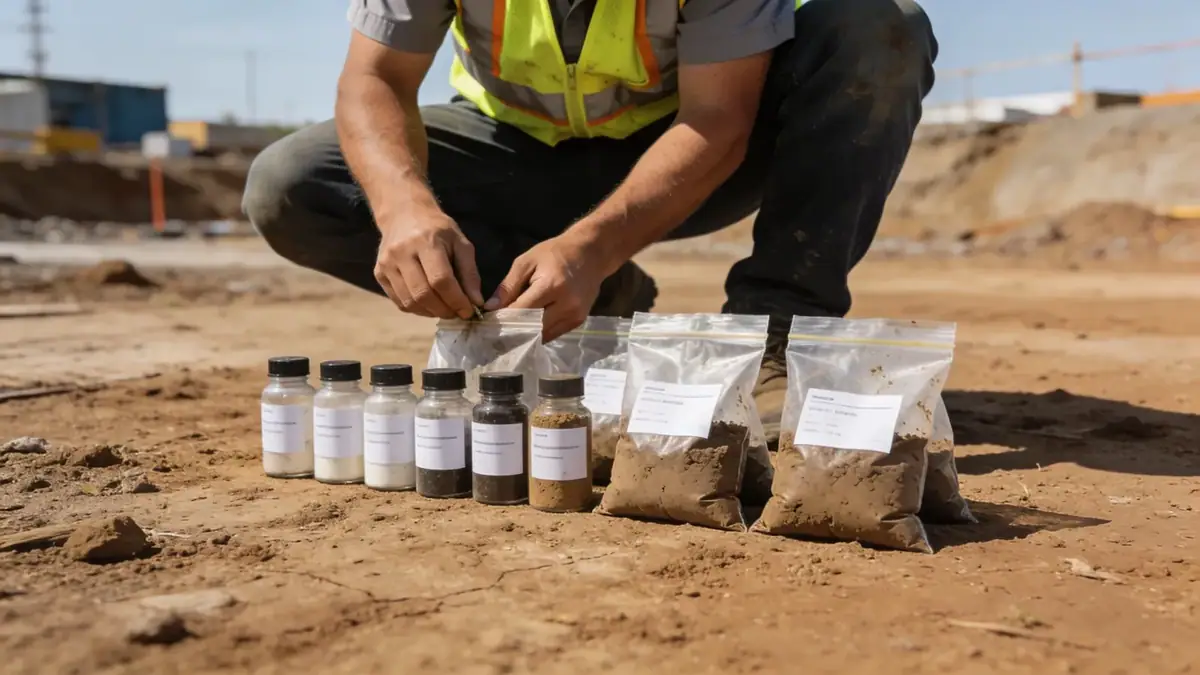
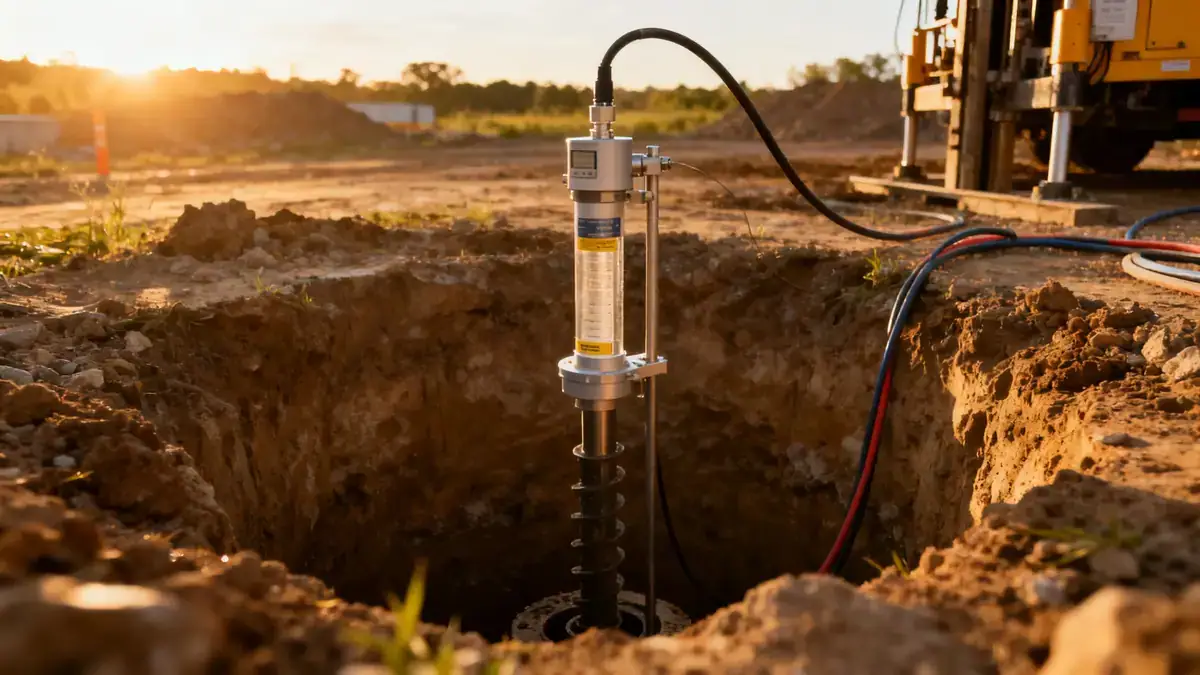
Our methodology in Spokane follows a systematic approach starting with a review of existing geologic maps and published data from the Washington State Department of Natural Resources. Field investigations typically involve spt boring at depths ranging from 6 to 30 meters, depending on project scale, with standard penetration testing (SPT) per ASTM D1586 to obtain N60 values. Soil samples are retrieved for laboratory classification, including grain size distribution (ASTM D6913) and Atterberg limits (ASTM D4318). Groundwater monitoring wells are installed where necessary. Data analysis integrates stratigraphic profiles, bearing capacity calculations, and settlement estimates to support foundation and retaining wall designs. Our reports adhere to local building codes and ASCE 7 seismic provisions.
Reference Technical Parameters
| Parameter | Reference Value |
|---|---|
| Predominant soil type | Silty sand and gravel (SM, GP-GM) |
| Maximum seismic acceleration (PGA) | 0.3g to 0.4g (MCE, Site Class D) |
| Typical groundwater level | 3–15 m below ground surface |
| Bedrock depth | 15–60 m (basalt) |
| Typical N60 range | 10–50 blows/0.3 m |
Local Considerations — Spokane
Spokane's subsurface is characterized by glacial outwash sands and gravels overlying basalt bedrock, with the Spokane Valley-Rathdrum Prairie aquifer creating variable groundwater conditions. Downtown areas often exhibit deeper fill soils, while peripheral zones may have shallow bedrock. Seismic site classification per ASCE 7 typically ranges from Site Class C to D. Liquefaction potential is low except in saturated loose sands near the Spokane River. Our team integrates these factors into foundation recommendations, including spread footings or deep foundations where needed. For regional context, our soil mechanics laboratory supports site-specific testing. For broader expertise, see our geotechnical engineering en Seattle.
Request a Quote
Our team reviews your project and issues an initial report at no cost.
Or write us directly at [email protected]
Services in Spokane
Applicable Standards
- ASTM D1586 (Standard Penetration Test)
- ASCE 7-16 (Minimum Design Loads and Associated Criteria for Buildings and Other Structures)
- International Building Code (IBC) 2021
- Washington State Building Code (WSBC)
Frequently Asked Questions
What soil types are commonly encountered in Spokane?
Spokane soils are predominantly glacial outwash deposits consisting of silty sands and gravels, with occasional clay lenses. Basalt bedrock underlies much of the area at depths varying from 15 to 60 meters. The Spokane Valley-Rathdrum Prairie aquifer influences groundwater levels.
Is a geotechnical investigation required for residential construction in Spokane?
While not always mandatory for single-family homes, a geotechnical investigation is strongly recommended to assess bearing capacity, seismic site class, and groundwater conditions. Many local building officials require a geotechnical report for structures on expansive soils or in seismic design categories D and above.
How does seismic activity affect geotechnical design in Spokane?
Spokane lies in Seismic Design Category D per ASCE 7, with peak ground accelerations up to 0.4g. Geotechnical reports must address site amplification, liquefaction potential, and lateral spreading. Deep foundations or ground improvement may be necessary for sensitive structures.