Methodology
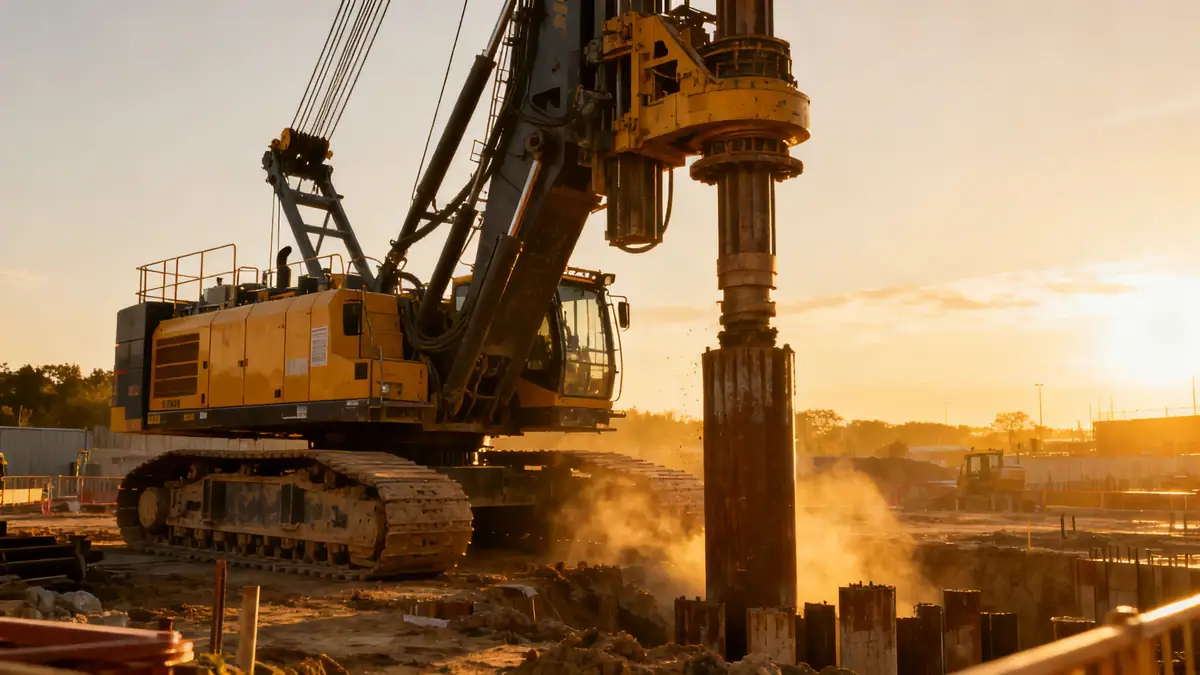
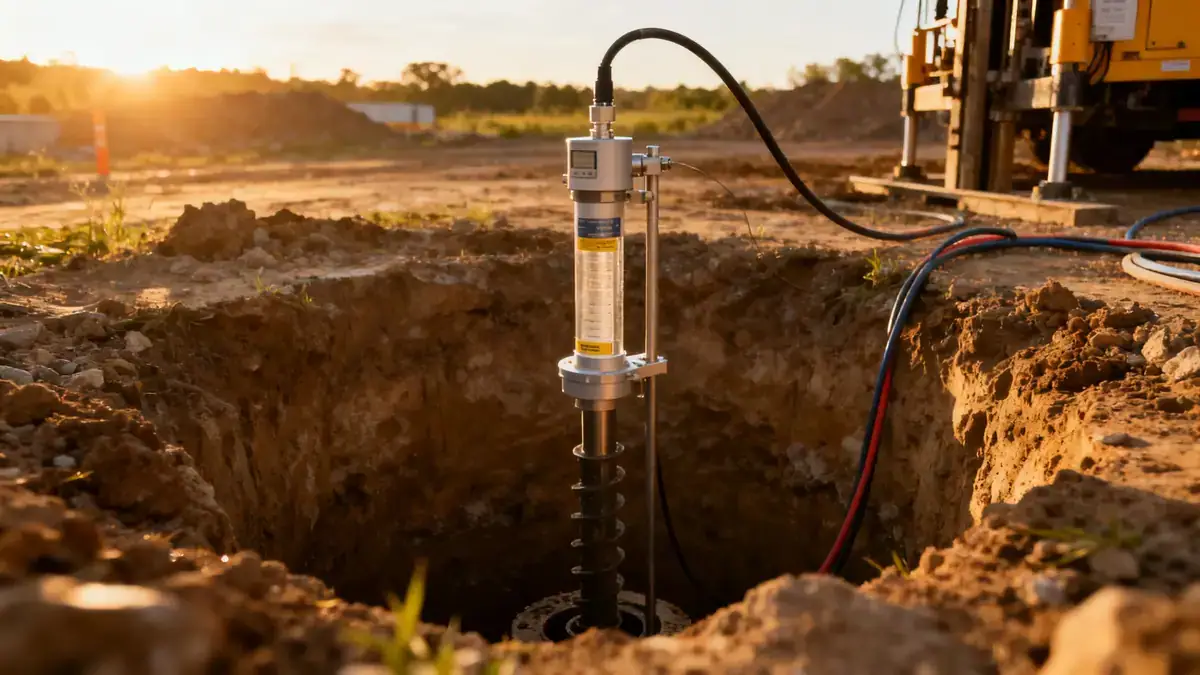
Our firm employs a systematic approach to geotechnical engineering in Los Angeles, beginning with a comprehensive review of existing geological maps and seismic hazard data. Field investigations typically include spt boring to recover soil samples and measure resistance, supplemented by cone penetration testing (CPT) for continuous profiling. Laboratory testing on recovered samples follows ASTM D1586 for SPT and ASTM D6913 for grain size analysis. Analytical models incorporate site-specific seismic parameters, such as peak ground acceleration (PGA) from USGS hazard maps, to evaluate liquefaction potential and slope stability. This methodological rigor ensures that our recommendations are tailored to the unique conditions of each Los Angeles project.
Reference Technical Parameters
| Parameter | Reference Value |
|---|---|
| Predominant soil type | Alluvial sands and silts, with clay layers in coastal areas |
| Maximum seismic acceleration (PGA) | 0.40g to 0.60g (ASCE 7-16, Site Class D) |
| Typical groundwater level | 10 to 30 feet below ground surface (varies seasonally) |
| Bedrock depth | 50 to 200 feet in valley areas; shallower near hillsides |
| Typical N60 range (SPT) | 5 to 30 blows per foot (sands); 2 to 15 blows per foot (clays) |
Local Considerations — Los Angeles
Los Angeles presents a unique geotechnical environment shaped by the Pacific Plate and North American Plate boundary. The region is underlain by the Los Angeles Basin, a deep sedimentary sequence of alluvial fans, marine deposits, and fluvial sands. Active faults, including the San Andreas and Newport-Inglewood, generate high seismic hazards. Groundwater levels fluctuate, with shallow aquifers in valley areas and deeper conditions near the coast. Hillside developments require careful evaluation of slope stability, while coastal sites may encounter liquefiable sands. Our team integrates these local factors into every analysis, referencing USGS seismic hazard maps and local building department guidelines. For detailed assessment of specific conditions, we recommend our slope stability service for hillside projects.
Request a Quote
Our team reviews your project and issues an initial report at no cost.
Or write us directly at [email protected]
Services in Los Angeles
Locations covered in Los Angeles
Applicable Standards
- California Building Standards Code (CBC)
- ASCE 7-16 (Minimum Design Loads for Buildings)
- ASTM D1586 (Standard Test Method for SPT)
- ASTM D6913 (Particle Size Analysis)
- City of Los Angeles Department of Building and Safety Guidelines
Frequently Asked Questions
What are the typical soil conditions in Los Angeles?
Los Angeles soils are predominantly alluvial sands, silts, and clays deposited by rivers and streams. In coastal areas, marine clays and sands are common. Hillside regions often feature colluvial deposits and weathered bedrock. The variability requires site-specific investigations to characterize soil behavior under seismic loading.
How does seismic activity affect geotechnical design in Los Angeles?
Seismic design in Los Angeles must account for high peak ground accelerations (up to 0.60g) and potential liquefaction in saturated sands. The CBC and ASCE 7 require site-specific response spectra, often derived from USGS hazard data. Deep foundations or ground improvement may be needed to mitigate liquefaction risks.
Are geotechnical studies mandatory for construction in Los Angeles?
Yes, the City of Los Angeles requires geotechnical investigations for most new buildings and additions, especially in hillside areas, seismic hazard zones, or where expansive soils are present. The scope is determined by the building official based on project size, location, and soil conditions.