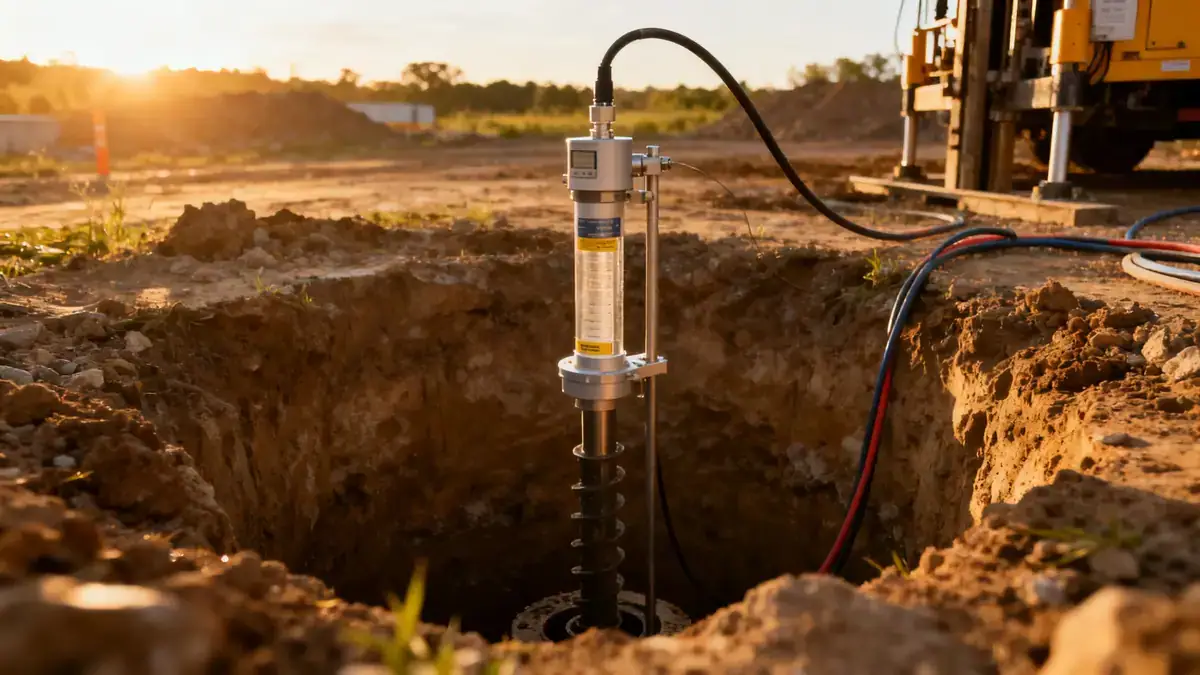
Methodology
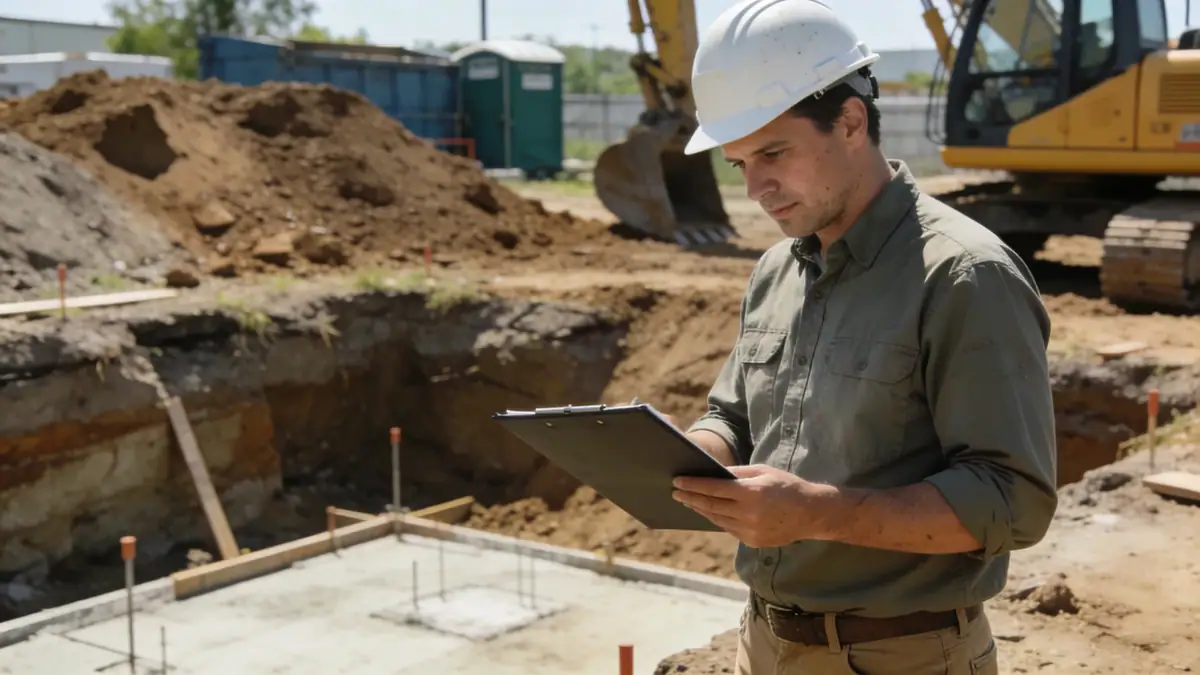
Our methodology for geotechnical engineering in Stockton integrates field and laboratory programs tailored to the site's geology. We perform standard penetration testing (SPT) per ASTM D1586 with sampling intervals of 1.0-1.5 m to depths of 10-30 m, depending on the structure. Soil samples are analyzed in our soil mechanics laboratory for index properties, strength, and consolidation. Seismic hazard assessments follow ASCE 7-16 for site amplification and liquefaction potential. This approach ensures compliance with local building codes and provides robust foundation design parameters.
Reference Technical Parameters
| Parameter | Reference Value |
|---|---|
| Predominant Soil Type | Alluvial silt and clay with sand lenses |
| Maximum Seismic Acceleration (PGA) | 0.4g (MCE, per ASCE 7-16) |
| Typical Groundwater Level | 2-5 m below ground surface |
| Bedrock Depth | >100 m (deep alluvial basin) |
| Typical N60 Range (SPT) | 5-20 blows/ft (soft to medium stiff) |
Local Considerations — Stockton
Stockton's geotechnical landscape is shaped by its location in the San Joaquin Valley, underlain by deep alluvial deposits from the Sacramento and San Joaquin Rivers. The primary geotechnical considerations include: 1. **Soil Type**: Predominantly fine-grained soils (silts and clays) with interbedded sand layers, often with high plasticity. 2. **Groundwater**: Shallow water table (2-5 m) requiring dewatering for excavations and potential liquefaction in sandy layers. 3. **Seismicity**: Moderate to high seismic hazard (PGA up to 0.4g) due to proximity to the San Andreas fault system; liquefaction and lateral spreading are key concerns. 4. **Urban Contrast**: Downtown infill projects encounter variable fill and old river channels, while peripheral developments face agricultural soils with low bearing capacity. 5. **Typical Cases**: Most projects require deep foundations (piles or drilled shafts) or ground improvement to mitigate settlement and liquefaction. Our team has extensive experience in Stockton's challenging subsurface conditions, providing solutions for commercial, residential, and public works projects. For broader context, see our geotechnical engineering in Los Angeles services.
Request a Quote
Our team reviews your project and issues an initial report at no cost.
Or write us directly at [email protected]
Services in Stockton
Applicable Standards
- ASTM D1586 (Standard Penetration Test)
- ASCE 7-16 (Minimum Design Loads and Associated Criteria for Buildings and Other Structures)
- California Building Code (CBC)
- Caltrans Geotechnical Manual
Frequently Asked Questions
What are the typical soil conditions in Stockton?
Stockton's soils are primarily alluvial silts and clays with sand lenses, deposited by the San Joaquin River. Groundwater is typically shallow (2-5 m), and the area is seismically active, requiring careful evaluation of liquefaction and settlement.
Do I need a geotechnical study for a small residential project in Stockton?
Yes, for most residential projects, the California Building Code requires a geotechnical investigation to address soil bearing capacity, settlement, and seismic hazards. A study typically includes SPT borings and laboratory testing to provide foundation recommendations.
How does seismic risk affect foundation design in Stockton?
Stockton lies within a high seismic hazard zone (PGA up to 0.4g). Liquefaction of sandy layers and lateral spreading are primary concerns. Foundations often require deep elements (piles or shafts) or ground improvement to mitigate these risks, per ASCE 7 and CBC provisions.