Methodology
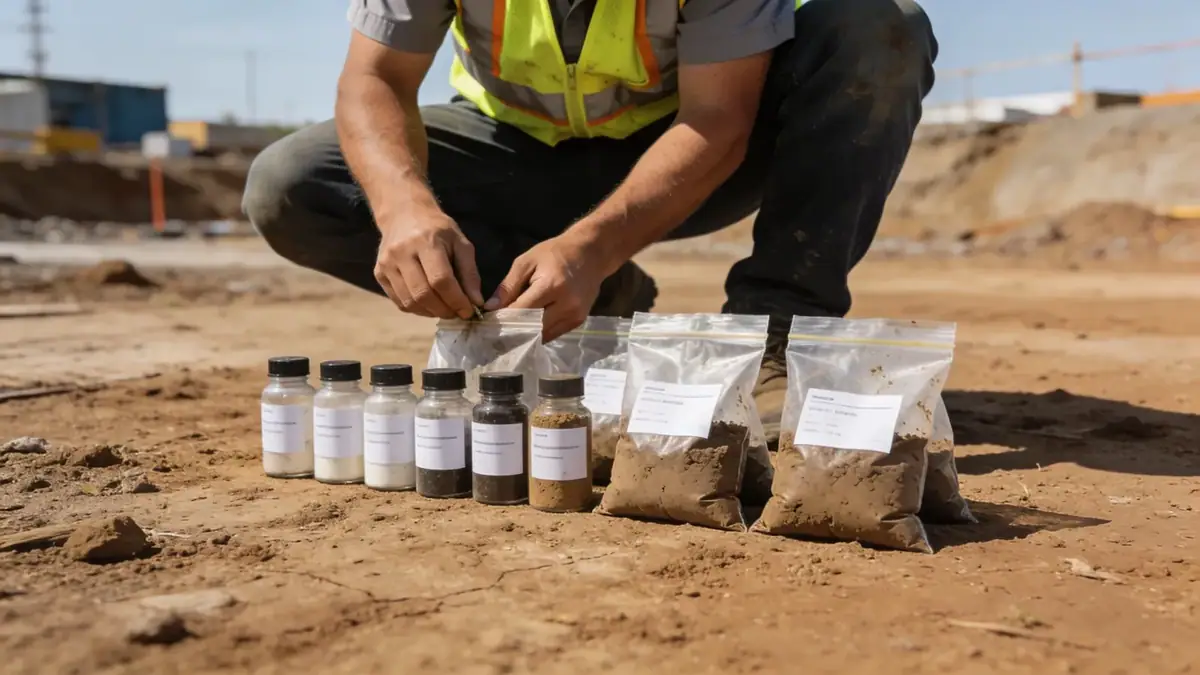
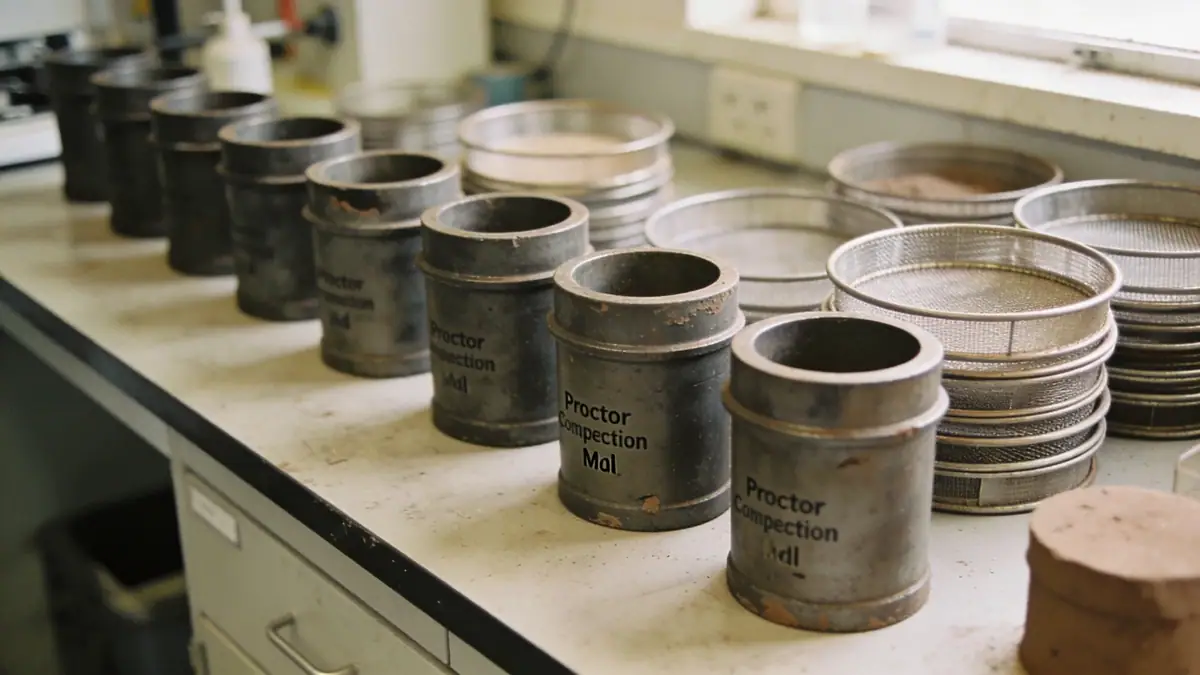
Our approach to geotechnical engineering in Fullerton begins with a comprehensive review of existing geologic maps, well logs, and nearby project data. We then conduct a field investigation program tailored to site conditions, typically including spt boring with standard penetration testing (ASTM D1586) at intervals of 1.5 m to characterize soil stratigraphy and strength. Soil samples are retrieved for laboratory testing, including grain size analysis, Atterberg limits, and direct shear tests. Groundwater monitoring wells are installed to measure seasonal fluctuations. All data are synthesized into a geotechnical report that provides allowable bearing capacities, settlement estimates, and seismic design parameters such as peak ground acceleration (PGA) and site class per ASCE 7.
Reference Technical Parameters
| Parameter | Reference Value |
|---|---|
| Predominant soil type | Silty sand (SM) and gravelly sand (SP) |
| Maximum seismic acceleration (PGA) | 0.4g (MCE) per ASCE 7-16 |
| Typical groundwater level | 10–30 ft below ground surface |
| Bedrock depth | Variable; >100 ft in alluvial areas |
| Typical N60 range | 10–40 blows/ft (upper 30 ft) |
Local Considerations — Fullerton
Fullerton's geology is dominated by Quaternary alluvium and older terrace deposits, with soil types ranging from silty sands to clayey gravels. The city lies in Seismic Zone 4 per the California Building Code, with a mapped PGA of 0.4g. Liquefaction potential is moderate in areas near the Santa Ana River, requiring site-specific evaluation. Lateral spreading and cyclic softening are concerns for deep foundations. Our team integrates these factors into geotechnical engineering in Fullerton, referencing soil mechanics laboratory testing to refine design parameters. For projects requiring regional context, we often coordinate with geotechnical engineering en Los Angeles to align with basin-wide seismic standards.
Request a Quote
Our team reviews your project and issues an initial report at no cost.
Or write us directly at [email protected]
Services in Fullerton
Applicable Standards
- ASTM D1586
- ASCE 7
- California Building Code (CBC)
- City of Fullerton Municipal Code
Frequently Asked Questions
What are the typical soil conditions encountered in Fullerton?
Fullerton's soils are predominantly silty sands and gravelly sands from Quaternary alluvium. N60 values range from 10 to 40 blows per foot, with groundwater between 10 and 30 feet. Clay layers may occur locally, requiring careful evaluation for settlement and bearing capacity.
Which seismic code applies to geotechnical design in Fullerton?
Geotechnical designs in Fullerton must comply with the California Building Code, which references ASCE 7 for seismic loads. The city lies in Seismic Zone 4, with a mapped PGA of 0.4g. Site class and liquefaction potential must be determined per current standards.
Is a geotechnical investigation required for new construction in Fullerton?
Yes, the City of Fullerton requires a geotechnical report for most new buildings, additions, and significant alterations. The report must address soil bearing capacity, settlement, seismic hazards, and groundwater conditions to obtain a building permit.