Methodology
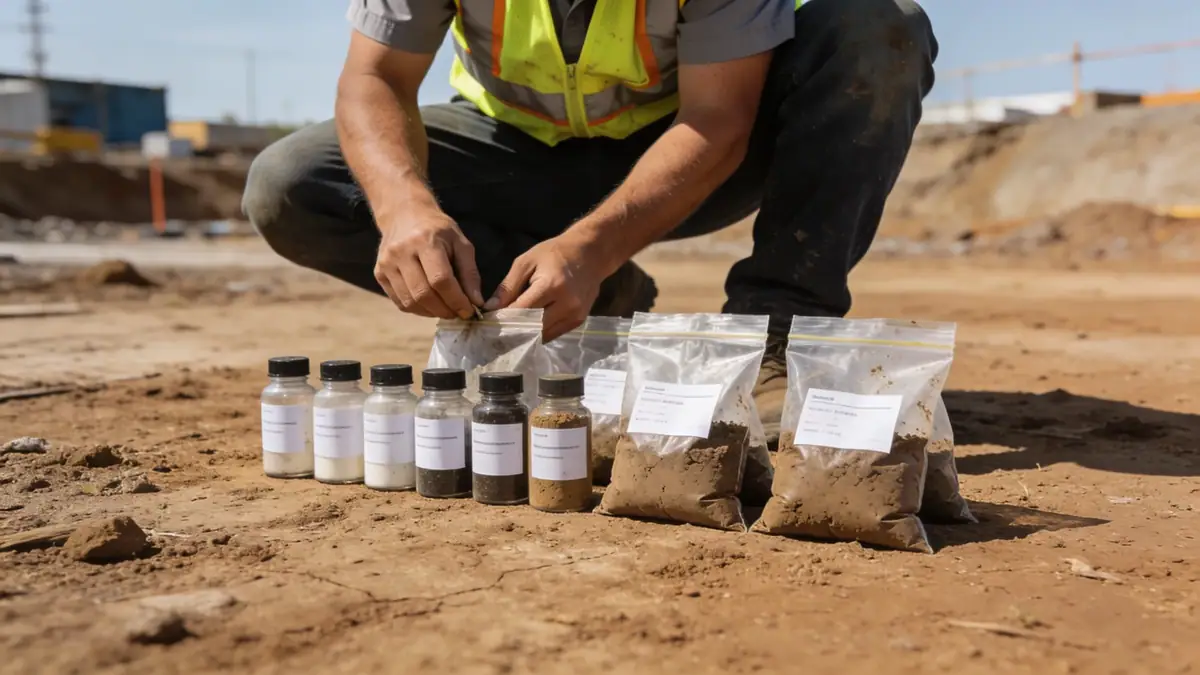
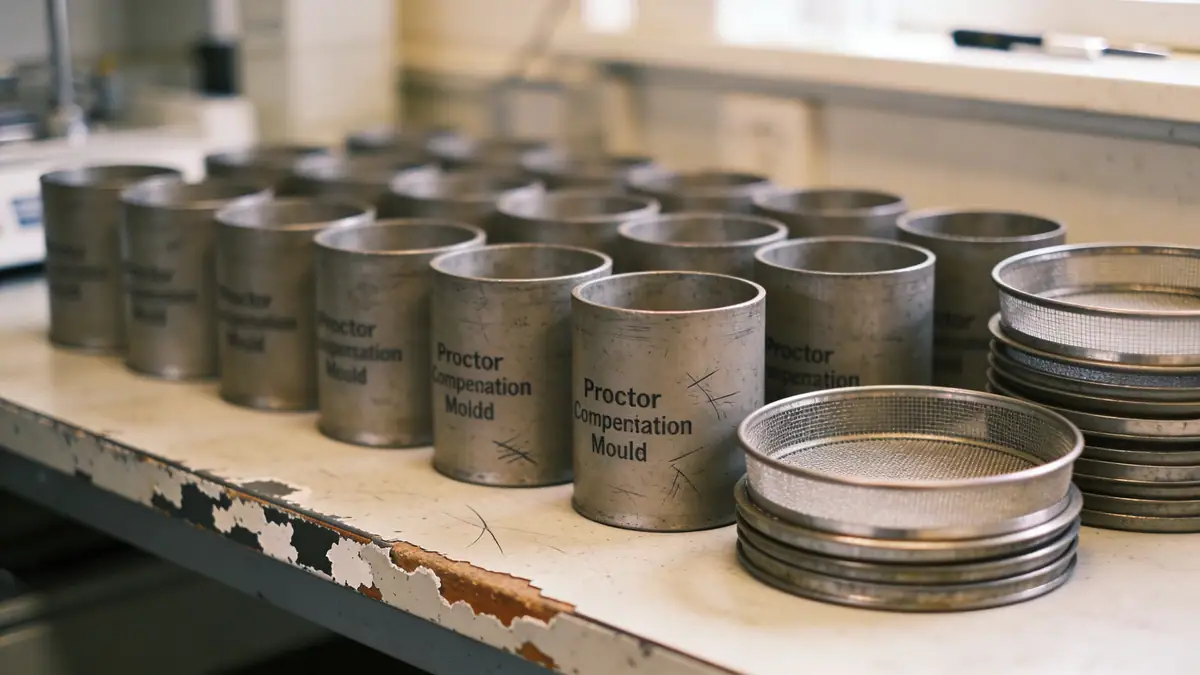
Our methodology for geotechnical engineering in Concord California begins with a thorough review of existing geological maps, borehole logs, and seismic hazard data specific to the region. We conduct field investigations using spt boring to obtain undisturbed soil samples and measure in-situ strength parameters, following ASTM D1586 standards. Laboratory testing, including grain size analysis, Atterberg limits, and direct shear tests, is performed to characterize soil behavior under static and dynamic loading. For sites near active faults, we evaluate fault rupture hazard and perform site-specific seismic response analyses to determine design ground motions per ASCE 7. Our integrated approach ensures that all recommendations are tailored to Concord's unique geological conditions and comply with applicable building codes.
Reference Technical Parameters
| Parameter | Reference Value |
|---|---|
| Predominant soil type | Alluvial silty clay and sand, with gravel lenses |
| Maximum seismic acceleration (PGA) | 0.5g to 0.7g (MCE_R, per ASCE 7) |
| Typical groundwater level | 10 to 20 feet below ground surface |
| Bedrock depth | 50 to 200 feet (Great Valley sequence) |
| Typical N60 range (SPT) | 10 to 40 blows per foot |
Local Considerations — Concord California
Concord's geology is dominated by alluvial deposits from Mount Diablo and the Sacramento River delta, with interbedded silts, sands, and gravels. The city lies within Seismic Zone 4, requiring rigorous evaluation of liquefaction and cyclic softening in saturated loose sands. Groundwater levels fluctuate seasonally, impacting foundation construction and excavation dewatering. Older neighborhoods near downtown Concord may have undocumented fills, while newer developments on the outskirts encounter stiffer soils at shallow depths. Common projects include residential slab-on-grade, commercial tilt-up buildings, and retaining walls for hillside sites. For projects requiring specialized analysis, our team in Los Angeles provides additional support: geotechnical engineering services from Los Angeles.
Request a Quote
Our team reviews your project and issues an initial report at no cost.
Or write us directly at [email protected]
Services in Concord California
Applicable Standards
- ASTM D1586 - Standard Test Method for Standard Penetration Test (SPT)
- ASCE 7 - Minimum Design Loads and Associated Criteria for Buildings and Other Structures
- California Building Code (CBC) - Seismic Design Provisions
- ASTM D2487 - Classification of Soils for Engineering Purposes (Unified Soil Classification System)
- ASTM D3080 - Direct Shear Test of Soils Under Consolidated Drained Conditions
Frequently Asked Questions
What are the predominant soil types encountered in Concord California?
The predominant soil types in Concord California are alluvial silty clays, sands, and gravels deposited by streams draining Mount Diablo. These soils often exhibit variable density and moisture content, requiring careful characterization through SPT and laboratory testing to assess bearing capacity and settlement potential.
How do seismic regulations in Concord California affect geotechnical design?
Concord is in Seismic Zone 4, with high PGA values up to 0.7g. The California Building Code mandates site-specific seismic hazard analysis, including evaluation of liquefaction, lateral spreading, and fault rupture. Geotechnical reports must provide design parameters for foundation and retaining wall compliance with ASCE 7.
Is a geotechnical investigation required for all construction projects in Concord?
Yes, most building permits in Concord require a geotechnical investigation per California Building Code. The study must address soil strength, groundwater, seismic hazards, and provide recommendations for foundations, slabs, and earthwork. Exceptions exist only for minor structures, but professional consultation is strongly advised.