Methodology
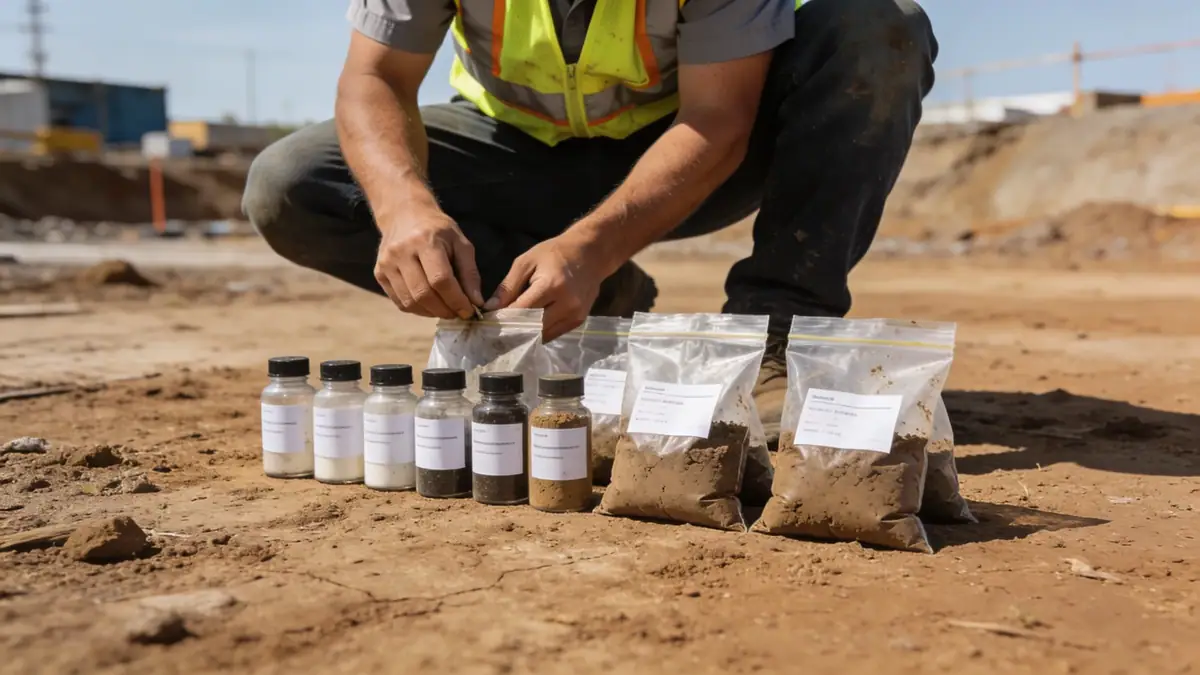
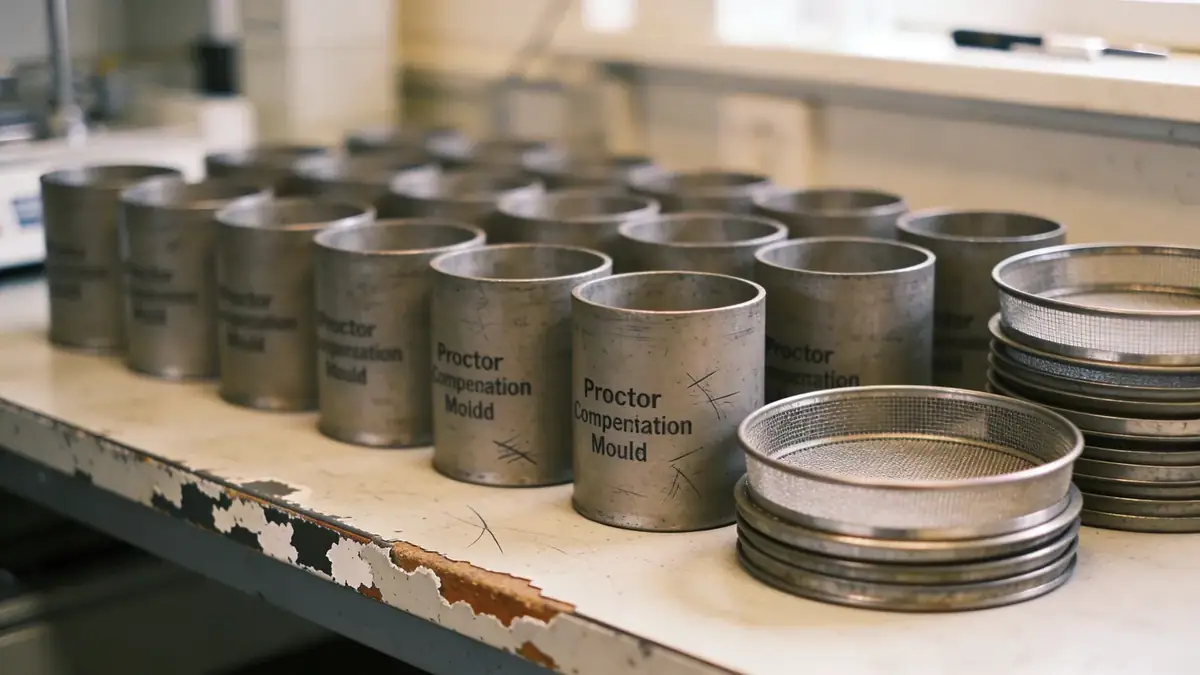
Our methodology for Las Vegas projects begins with a thorough review of existing geologic maps and site history. We then conduct a field exploration program typically including spt boring performed in accordance with ASTM D1586, supplemented by cone penetration tests and test pits where appropriate. Subsurface samples are transported to our soil mechanics laboratory for classification, strength, and consolidation testing. For seismic design, we evaluate site-specific ground motion parameters per ASCE 7-16, considering the proximity to active faults such as the Las Vegas Valley Shear Zone. Our integrated approach ensures that all geotechnical recommendations are supported by robust data and local experience.
Reference Technical Parameters
| Parameter | Reference Value |
|---|---|
| Predominant soil type | Alluvial sands, silts, and gravels with localized clay lenses |
| Maximum seismic acceleration (PGA) | 0.2g to 0.3g for Site Class D (IBC 2018) |
| Typical groundwater level | 15 to 30 m below ground surface, shallower near the Las Vegas Wash |
| Bedrock depth | Variable; typically 50 to over 100 m to Paleozoic carbonate bedrock |
| Typical N60 range (SPT) | 10 to 40 blows/0.3 m in natural alluvium; up to 50+ in cemented layers |
Local Considerations — Las Vegas
Las Vegas lies within the Basin and Range province, characterized by deep alluvial basins. Collapsible soils are prevalent in the western valley, requiring pre-wetting or deep foundations for heavier structures. The city's seismic hazard is moderate, with the Las Vegas Valley Shear Zone capable of M6.5–7.0 events; our seismic analyses follow ASCE 7-16 for Site Class D. Older neighborhoods near downtown may have undocumented fill, while newer master-planned communities often sit on well-compacted alluvium. Typical projects include strip malls, casinos, and single-family homes. For investigations in similar geologic settings, our soil mechanics laboratory provides essential testing for collapsibility and expansion. Our team also serves as a resource for geotechnical engineering in Los Angeles, where basin geology presents analogous challenges.
Request a Quote
Our team reviews your project and issues an initial report at no cost.
Or write us directly at [email protected]
Services in Las Vegas
Applicable Standards
- ASTM D1586 (Standard Test Method for Standard Penetration Test)
- ASCE 7-16 (Minimum Design Loads and Associated Criteria for Buildings)
- IBC 2018 (International Building Code) with Nevada Amendments
- ASTM D2487 (Unified Soil Classification System)
- ASTM D2435 (Standard Test Method for One-Dimensional Consolidation Properties of Soils)
Frequently Asked Questions
What types of soil are commonly encountered in Las Vegas?
Las Vegas soils are predominantly alluvial sands, silts, and gravels deposited by ancient drainage systems. Collapsible and expansive soils occur locally, especially in the western valley. Our investigations classify soils per ASTM D2487 and evaluate collapse potential and shrink-swell behavior for foundation design.
Is a geotechnical investigation required for new construction in Las Vegas?
Yes, the Nevada State Building Code and local jurisdictions require a geotechnical report for most new building permits. The scope depends on project size and site complexity. Our reports comply with IBC 2018 and local standards, providing recommendations for foundations, slab-on-grade, and seismic design.
How does seismic activity in the Las Vegas Valley affect foundation design?
Seismic hazard in Las Vegas is moderate, with peak ground accelerations up to 0.3g for Site Class D. The Las Vegas Valley Shear Zone is a capable fault system. Our designs follow ASCE 7-16 for site-specific ground motion, liquefaction assessment, and lateral earth pressures to ensure structural safety.