Methodology
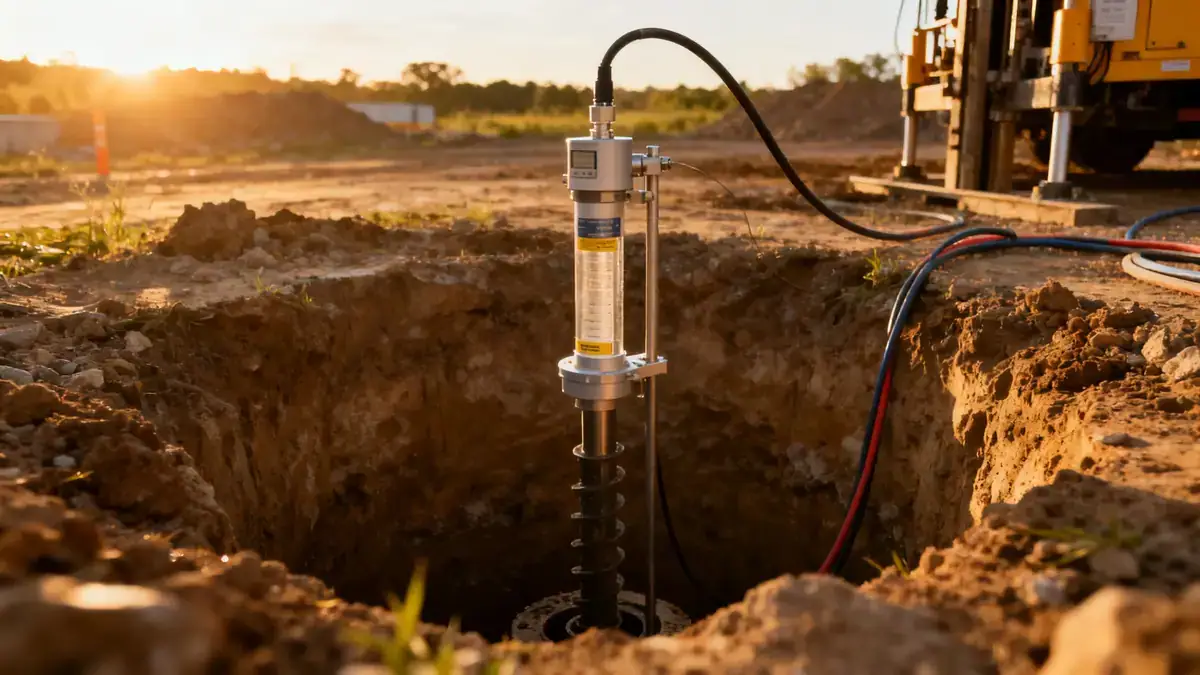
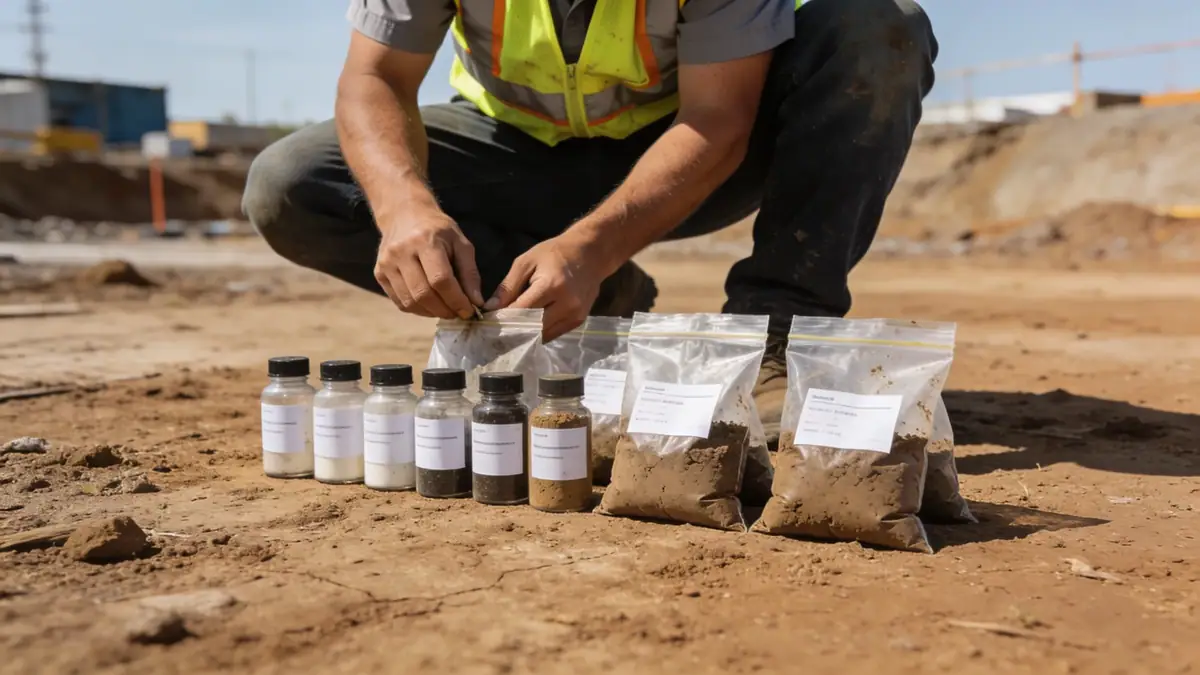
Our methodology for projects in Long Beach begins with a thorough review of existing geologic maps and local borings to characterize subsurface conditions. We then perform a site-specific investigation using techniques such as spt boring to obtain soil samples and measure penetration resistance, following ASTM D1586. Laboratory testing on recovered samples determines index properties, strength, and consolidation characteristics. All data are integrated into a geotechnical model that accounts for the city’s high water table and seismic setting. This approach ensures that our recommendations are grounded in site-specific evidence and applicable codes.
Reference Technical Parameters
| Parameter | Reference Value |
|---|---|
| Predominant soil type | Alluvial sands, silts, and clays |
| Maximum seismic acceleration (PGA) | 0.4g to 0.6g (per ASCE 7) |
| Typical groundwater level | 2 to 5 meters below ground surface |
| Bedrock depth | Greater than 30 meters |
| Typical N60 range | 5 to 40 blows per 0.3 m (variable) |
Local Considerations — Long Beach
Long Beach’s geology is dominated by young alluvial deposits from the Los Angeles River and San Gabriel River, resulting in stratified soils with varying bearing capacity. The shallow groundwater table, often within 2 to 5 meters, requires dewatering considerations and can impact excavation stability. Seismic hazards are significant due to proximity to the Newport-Inglewood Fault, with peak ground accelerations up to 0.6g. Older neighborhoods near the downtown area may have undocumented fill, while newer developments in the east side encounter more consistent alluvial sands. Typical projects include mid-rise buildings and residential subdivisions, where our team applies local knowledge to mitigate risks. Our work is supported by our broader expertise through geotechnical engineering in Los Angeles, providing additional regional context.
Request a Quote
Our team reviews your project and issues an initial report at no cost.
Or write us directly at [email protected]
Services in Long Beach
Applicable Standards
- ASTM D1586 (Standard Test for Penetration Test and Split-Barrel Sampling of Soils)
- ASCE 7 (Minimum Design Loads and Associated Criteria for Buildings and Other Structures)
- California Building Code (CBC) 2022
- City of Long Beach Municipal Code – Grading and Excavation
Frequently Asked Questions
What are the typical soil conditions in Long Beach for construction?
Long Beach generally has alluvial soils with interbedded sands, silts, and clays. The water table is shallow, often 2–5 meters deep, and bearing capacities vary. A site-specific geotechnical investigation is essential to characterize these conditions.
Is a geotechnical study required for building permits in Long Beach?
Yes, the City of Long Beach requires a geotechnical report for most new construction and significant additions, especially in seismic zones. This ensures compliance with the California Building Code and local grading ordinances.
How does seismic activity affect foundation design in Long Beach?
Long Beach is in a high seismic zone with PGA values up to 0.6g. Foundations must be designed to resist liquefaction and lateral spreading, often requiring deep foundations or soil improvement. Our reports incorporate these factors per ASCE 7.