Methodology
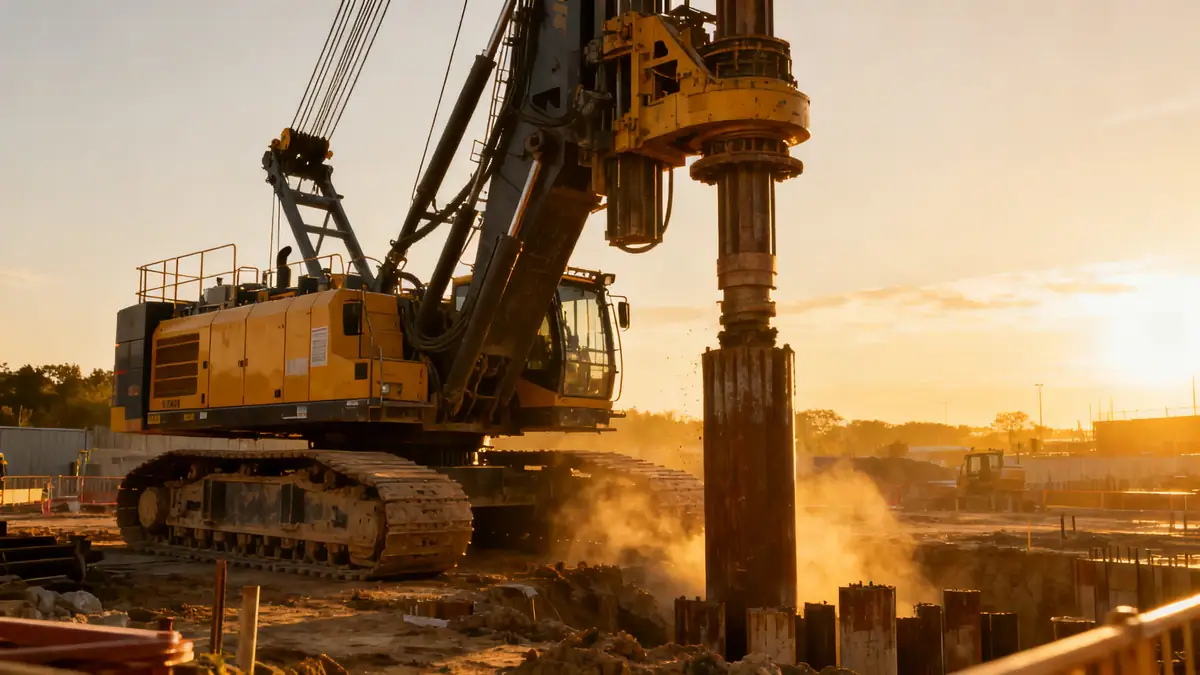
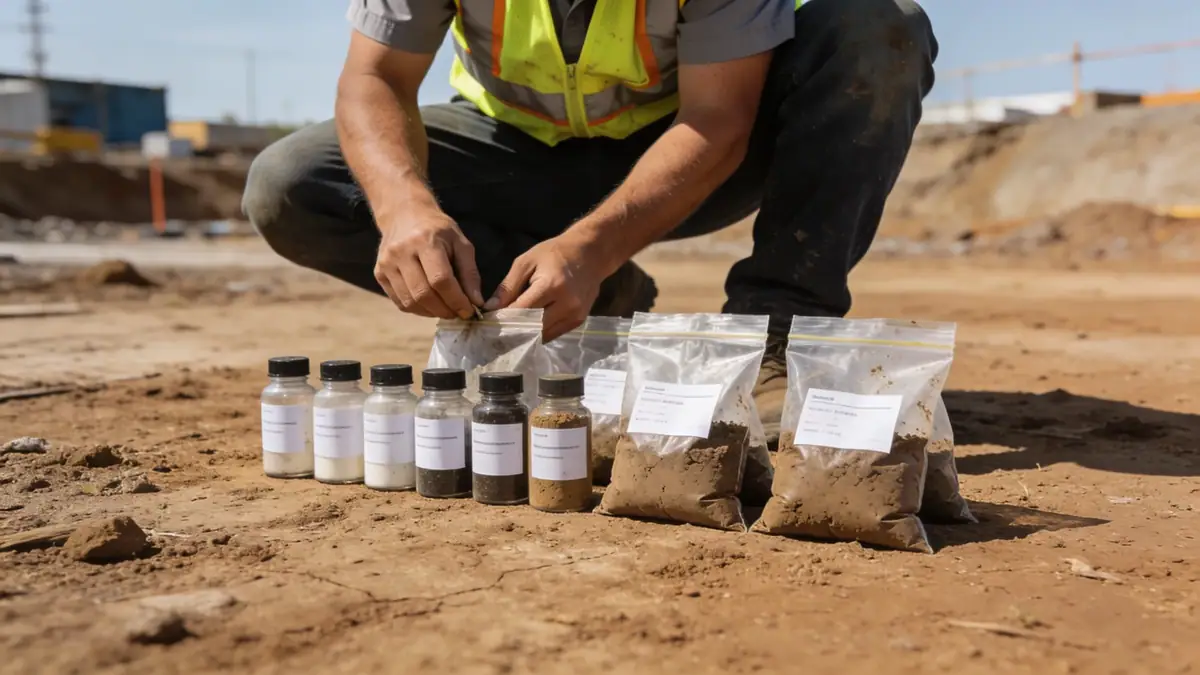
Our approach to geotechnical engineering in Garden Grove begins with a comprehensive review of existing geologic maps and seismic hazard data. We then conduct field investigations using methods such as spt boring to characterize subsurface stratigraphy and soil strength. In our soil mechanics laboratory, we perform index and strength tests to classify soils and evaluate parameters like cohesion and friction angle. This data is integrated into numerical models to assess bearing capacity, settlement, and seismic response, ensuring our recommendations are robust and defensible.
Reference Technical Parameters
| Parameter | Reference Value |
|---|---|
| Predominant soil type | Silty sand and clay (alluvium) |
| Typical N60 range | 10–30 blows/ft |
| Maximum seismic acceleration (PGA) | 0.5g (per ASCE 7) |
| Typical groundwater depth | 3–6 ft below grade |
| Bedrock depth | 200–500 ft (variable) |
Local Considerations — Garden Grove
Garden Grove's geology consists of Quaternary alluvium with interbedded silts, sands, and clays, often underlain by older Pleistocene deposits. The shallow water table (3–6 ft) requires careful dewatering and buoyancy design. Seismic hazards are significant due to nearby faults like the Newport-Inglewood and San Andreas; our team applies ASCE 7 spectral accelerations for site class D/E. Liquefaction potential is moderate in saturated sandy layers, and differential settlement is common across varying fill zones. For projects requiring specialized analysis, we refer to slope stability evaluations. Compared to our hub in geotechnical engineering in Los Angeles, Garden Grove exhibits higher groundwater and softer near-surface soils, demanding tailored foundation solutions.
Request a Quote
Our team reviews your project and issues an initial report at no cost.
Or write us directly at [email protected]
Services in Garden Grove
Applicable Standards
- ASTM D1586
- ASCE 7
- California Building Code (CBC)
- Uniform Building Code (UBC) for existing structures
Frequently Asked Questions
What types of soil are common in Garden Grove?
The predominant soils are alluvial silty sands and clays, with varying densities and plasticities. These soils often exhibit moderate shrink-swell potential and require site-specific testing to determine bearing capacity and settlement characteristics.
How does seismic activity affect geotechnical design in Garden Grove?
Garden Grove is in a high seismic zone (PGA up to 0.5g). Soil liquefaction, lateral spreading, and seismic settlement are key concerns. Our designs incorporate site-specific response spectra per ASCE 7 and CBC to mitigate these risks.
Are geotechnical studies mandatory for construction in Garden Grove?
Yes, the California Building Code requires geotechnical investigations for most new structures, especially those in Seismic Design Categories D or E. Local jurisdictions may also mandate reports for additions or alterations in liquefaction-prone areas.