Methodology
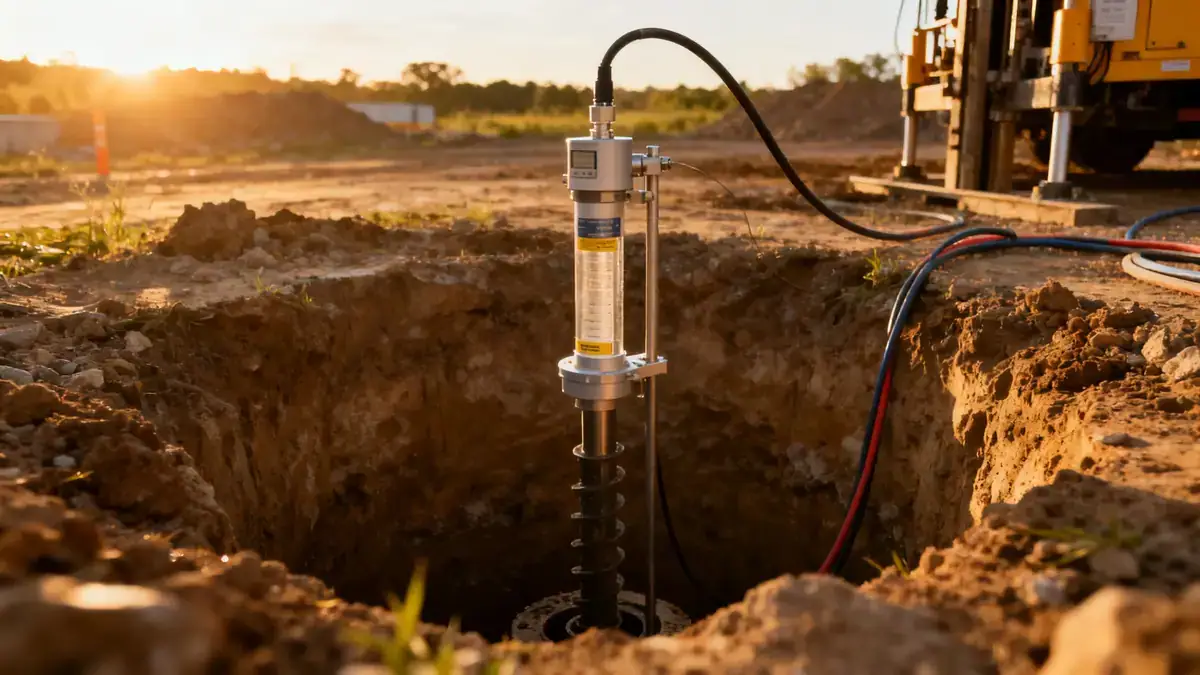
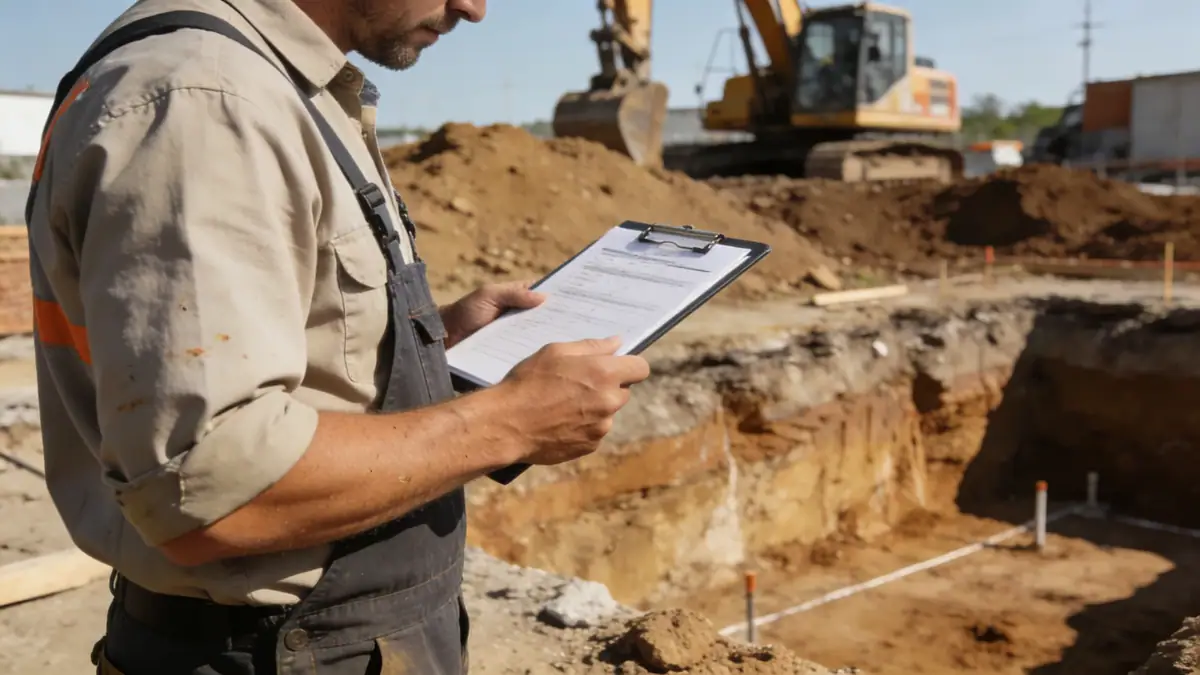
Our approach to geotechnical engineering in Oakland integrates advanced field investigation with laboratory testing. We perform standard penetration tests per ASTM D1586, sampling at 1.5-meter intervals to depths of 20 to 30 meters. For continuous profiles, cone penetration testing (CPT) records data every 1 to 2 centimeters. Our spt boring program is designed to capture the variability of Oakland's alluvial and colluvial soils. In the laboratory, we conduct grain-size analysis, Atterberg limits, and direct shear tests to characterize soil behavior. This data informs slope stability analysis and retaining wall design, ensuring compliance with local building codes.
Reference Technical Parameters
| Parameter | Reference Value |
|---|---|
| Predominant soil type | Alluvial clay and silty sand, with artificial fill |
| Peak ground acceleration (PGA) | 0.4g to 0.6g (seismic zone 4) |
| Typical groundwater depth | 3 to 8 meters below grade |
| Bedrock depth | 10 to 30 meters (Franciscan Complex) |
| Standard penetration test N60 range | 5 to 30 blows per 0.3 m |
Local Considerations — Oakland
Oakland's geology is dominated by the Franciscan Complex, a mélange of sandstone, shale, and serpentinite, overlain by Quaternary alluvium in the flatlands. The city is underlain by several active fault systems, including the Hayward Fault, requiring rigorous seismic design per ASCE 7. Groundwater levels fluctuate seasonally, impacting excavation and foundation design. In the Oakland Hills, shallow bedrock and steep slopes pose landslide risks. Typical projects include high-rise foundations requiring deep piles or mat slabs. For comprehensive regional expertise, see our geotechnical engineering en Los Angeles services.
Request a Quote
Our team reviews your project and issues an initial report at no cost.
Or write us directly at [email protected]
Services in Oakland
Applicable Standards
- ASTM D1586 (Standard Test Method for Penetration Test and Split-Barrel Sampling of Soils)
- ASCE 7 (Minimum Design Loads and Associated Criteria for Buildings and Other Structures)
- California Building Code (CBC) Chapter 18 (Soils and Foundations)
- ASTM D6913 (Particle-Size Distribution of Soils)
Frequently Asked Questions
What soil types are commonly found in Oakland?
Oakland's soils vary from alluvial clays and silty sands in the flatlands to colluvial and residual soils over the Franciscan Complex in the hills. Artificial fill is common along the former shoreline. These variations require site-specific investigations for accurate foundation design.
How does seismic activity in Oakland affect geotechnical design?
Oakland lies near the Hayward Fault, a major seismic source. Geotechnical engineering in Oakland must account for high peak ground accelerations (0.4g to 0.6g), liquefaction potential in sandy soils, and fault rupture hazards. Site-specific response analyses are often required per ASCE 7.
Are geotechnical studies mandatory for construction in Oakland?
Yes, the California Building Code requires geotechnical investigations for most new construction and major renovations, especially in Seismic Zone 4. Local jurisdictions may impose additional requirements for hillside developments, fill sites, or areas prone to liquefaction or landslides.