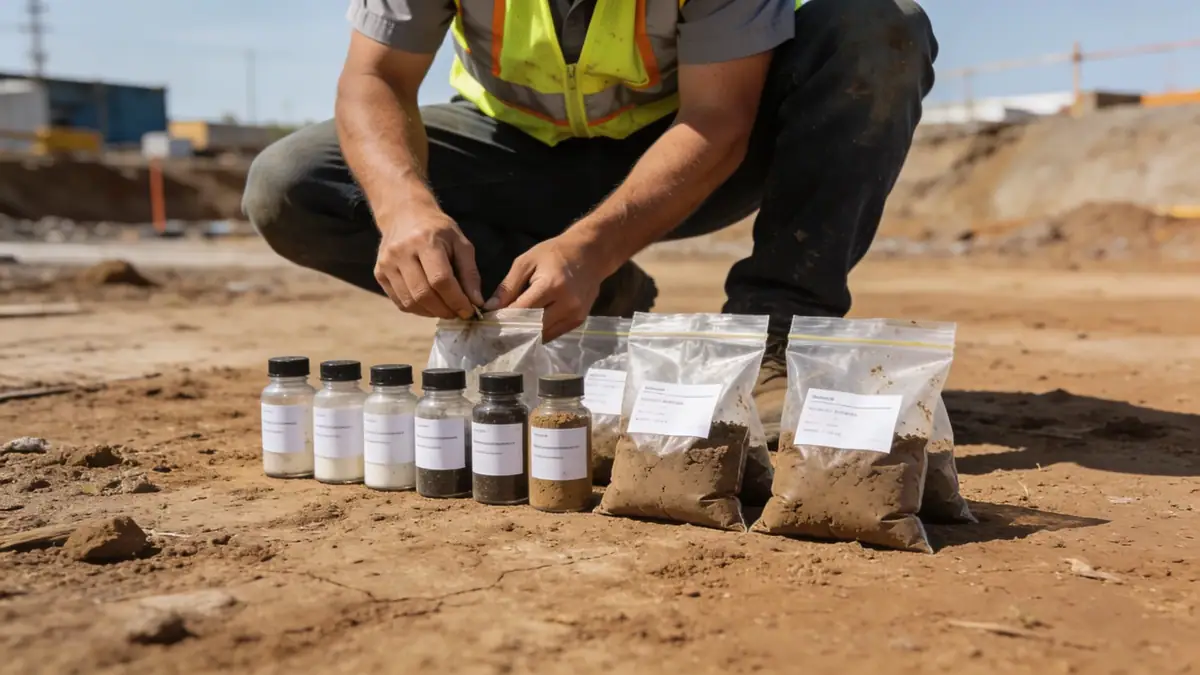
Methodology
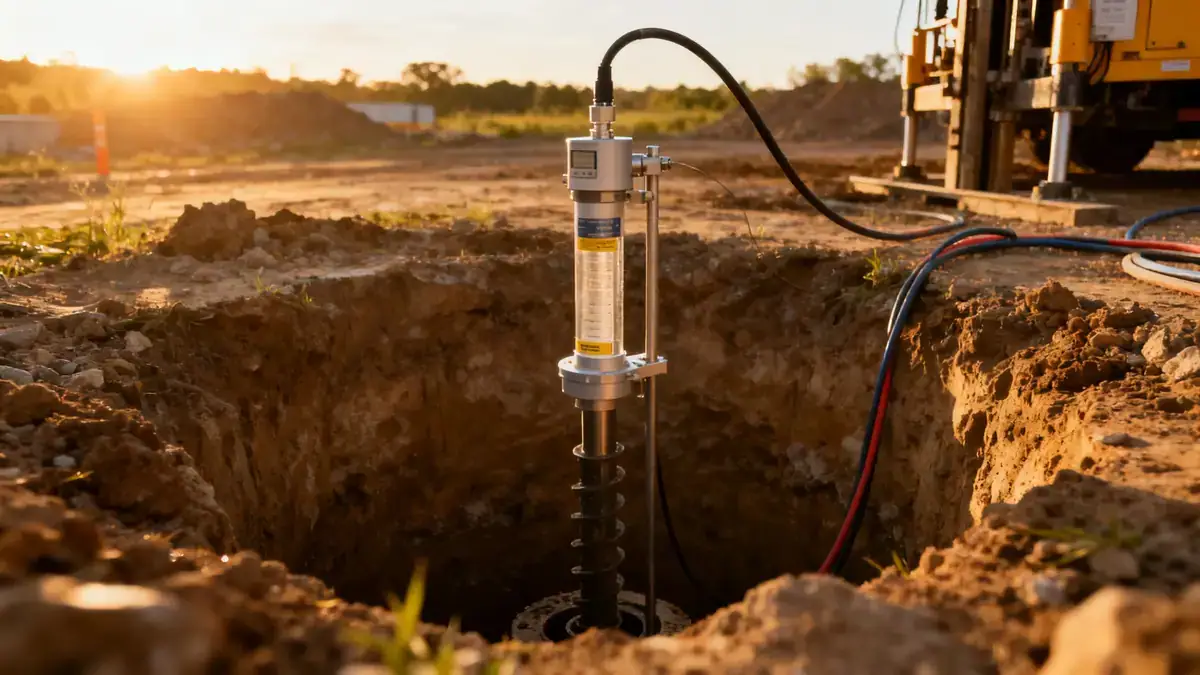
Our methodology for San Diego projects begins with a comprehensive site reconnaissance followed by subsurface exploration using techniques such as spt boring per ASTM D1586 to obtain disturbed and undisturbed samples. We integrate laboratory testing for index properties, strength, and consolidation parameters. Seismic hazard analysis incorporates site-specific ground motion evaluation per ASCE 7, and we employ advanced numerical modeling for slope stability and foundation settlement predictions. This systematic approach ensures robust design recommendations that address local conditions.
Reference Technical Parameters
| Parameter | Reference Value |
|---|---|
| Predominant soil type | Sandy clay and clayey sand, with cobble deposits in alluvial fans |
| Maximum seismic acceleration (PGA) | 0.4g to 0.6g (Site Class D, per ASCE 7) |
| Typical groundwater level | 5 to 15 meters below ground surface, locally shallower near coastal areas |
| Bedrock depth | 10 to 30 meters, with shallow exposures in eastern hills |
| Typical N60 range (SPT) | 10 to 40 blows/ft for sandy materials; 5 to 15 for clays |
Local Considerations — San Diego
San Diego’s geology includes Cretaceous metasedimentary rocks, Tertiary marine sediments, and Quaternary alluvium. The region is seismically active due to the Elsinore and San Jacinto fault zones. Expansive clay soils in areas like Mission Valley pose shrink-swell risks for foundations. Coastal areas may encounter loose sands and high groundwater requiring dewatering. Hillside developments demand rigorous slope stability analysis. Our team addresses these factors with site-specific evaluations, referencing local building codes and geotechnical guidelines from the City of San Diego. For broader regional context, see our geotechnical engineering en Los Angeles page.
Request a Quote
Our team reviews your project and issues an initial report at no cost.
Or write us directly at [email protected]
Services in San Diego
Applicable Standards
- ASTM D1586 (Standard Penetration Test)
- ASCE 7 (Minimum Design Loads for Buildings and Other Structures)
- California Building Code (CBC, based on IBC)
- City of San Diego Geotechnical Report Guidelines
Frequently Asked Questions
What are the typical soil conditions encountered in San Diego?
San Diego soils vary from sandy clays and clayey sands in coastal and valley areas to more competent sedimentary rock and decomposed granite in eastern foothills. Expansive clays are common in Mission Valley, requiring mitigation measures such as soil replacement or deep foundations.
How does seismic design in San Diego differ from other California cities?
San Diego is near active faults like the Elsinore and Rose Canyon, resulting in higher seismic design categories compared to some inland areas. Site-specific ground motion analyses per ASCE 7 are often required, especially for critical facilities. Our firm incorporates these factors into foundation and retaining wall designs.
Are geotechnical studies mandatory for construction in San Diego?
Yes, most jurisdictions in San Diego County require a geotechnical report for new building permits, particularly for hillside developments, expansive soils, or seismic risk areas. The report must address soil bearing capacity, settlement, slope stability, and seismic hazards per local building codes.