Methodology
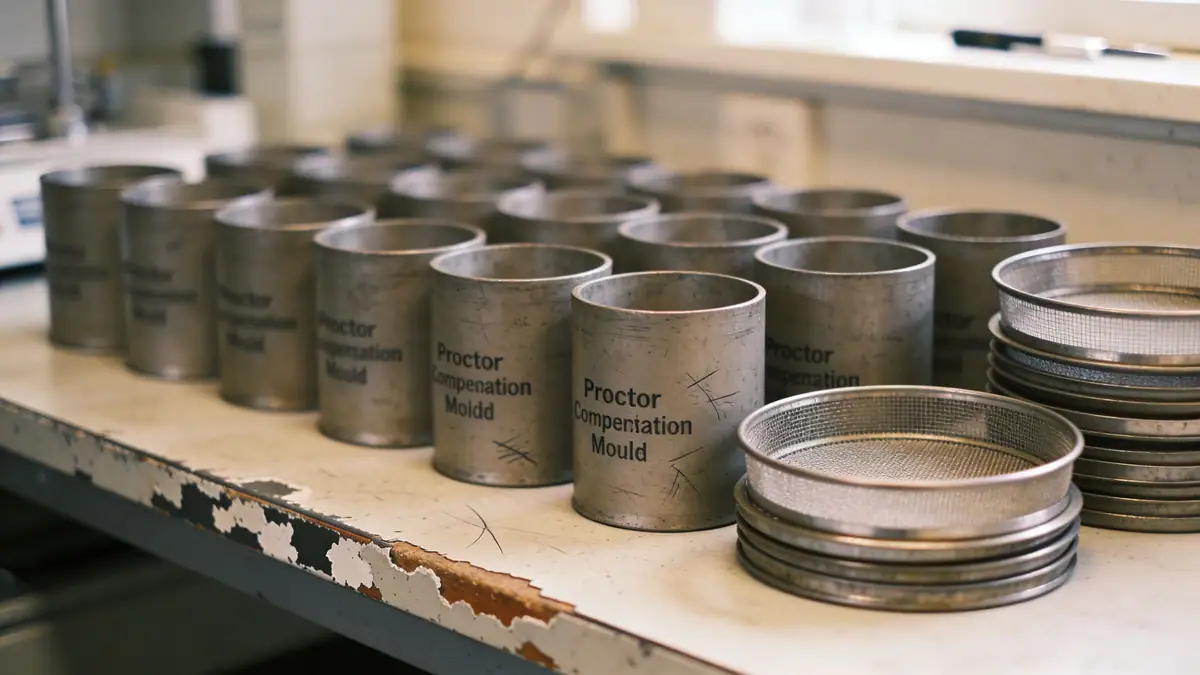
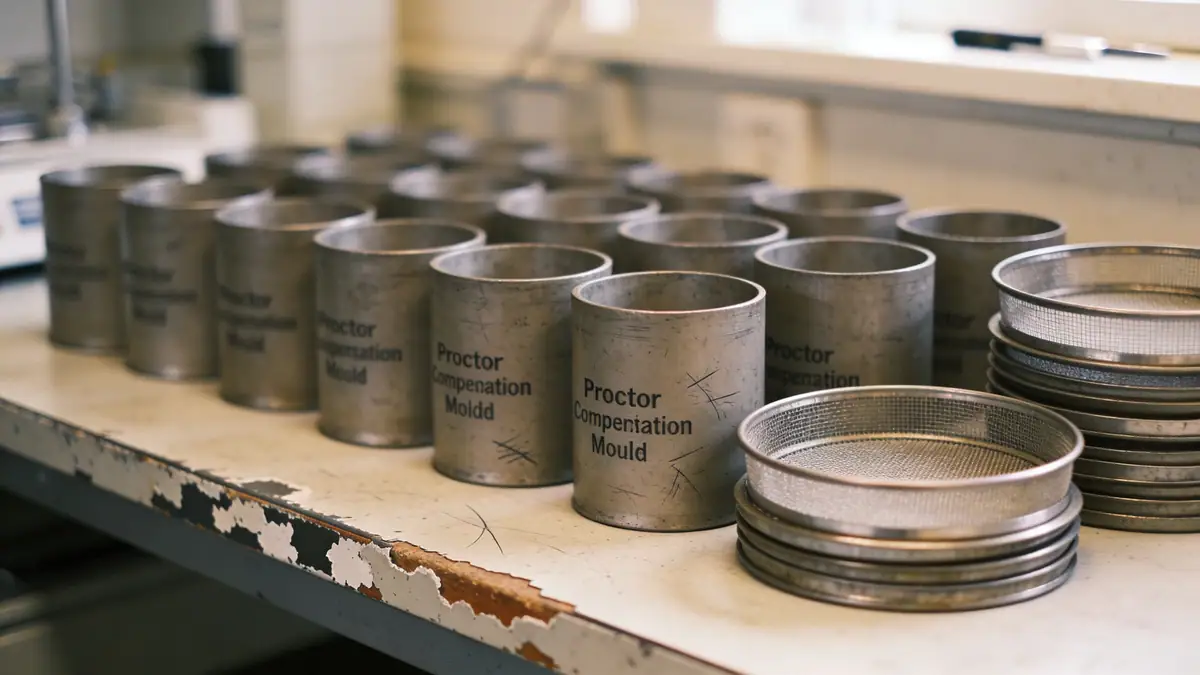
Our methodology for geotechnical engineering in San Francisco begins with a comprehensive site investigation, including spt boring to characterize subsurface conditions. We conduct advanced laboratory testing on recovered samples to determine strength, consolidation, and hydraulic properties. Field work is complemented by geophysical surveys and seismic hazard assessments. Using this data, we develop site-specific geotechnical models and perform slope stability, settlement, and liquefaction analyses. Our approach integrates local building codes, such as ASCE 7-16, and California Geological Survey guidelines. We provide clear recommendations for foundation design, earthwork, and ground improvement, tailored to San Francisco's demanding geotechnical environment.
Reference Technical Parameters
| Parameter | Reference Value |
|---|---|
| Predominant soil type | Bay mud (Young Bay Mud), colluvium, and Franciscan Complex bedrock |
| Maximum seismic acceleration (PGA) | 0.6g to 0.8g (MCE, Site Class D) |
| Typical groundwater level | 1.5 to 4.5 meters below ground surface |
| Bedrock depth | 10 to 100+ meters (variable, deeper in filled areas) |
| Typical N60 range (SPT) | 2 to 10 (bay mud), 10 to 50 (colluvium and bedrock) |
Local Considerations — San Francisco
San Francisco's geotechnical landscape is defined by its location on the San Andreas Fault system, with high seismic risk and complex geology. The city is underlain by soft Young Bay Mud in low-lying areas, colluvial soils on hillsides, and Franciscan Complex bedrock. Liquefaction, lateral spreading, and slope instability are major concerns. Groundwater is shallow in the Marina and SOMA districts. Our firm integrates these factors into every project, referencing soil mechanics laboratory data for accurate design. For projects outside the city, our geotechnical engineering in Los Angeles team applies similar rigor to different geological settings.
Request a Quote
Our team reviews your project and issues an initial report at no cost.
Or write us directly at [email protected]
Services in San Francisco
Applicable Standards
- ASCE 7-16 (Minimum Design Loads for Buildings and Other Structures)
- California Building Code (CBC, 2022)
- ASTM D1586 (Standard Test Method for Standard Penetration Test)
- San Francisco Building Code (SFBC)
- California Geological Survey (CGS) Special Publication 117A
Frequently Asked Questions
What are the typical soil conditions encountered in San Francisco?
San Francisco has highly variable soils, including soft Young Bay Mud in filled areas (e.g., Mission Bay), dense colluvium and residual soils on hillsides, and Franciscan Complex bedrock (sandstone, shale, chert) at depth. Groundwater is shallow in low-lying districts, posing challenges for excavation and foundation design.
How does seismic hazard affect geotechnical engineering in San Francisco?
San Francisco faces high seismic hazard due to the San Andreas and Hayward faults. Geotechnical engineers must assess liquefaction, lateral spreading, and slope stability. Peak ground accelerations can exceed 0.6g. Site-specific seismic analyses per ASCE 7-16 are required for most projects, often involving ground response and soil-structure interaction studies.
Are geotechnical investigations mandatory for construction in San Francisco?
Yes, the San Francisco Building Code requires geotechnical investigations for most new construction and significant alterations. A site-specific report must address soil conditions, seismic hazards, and foundation recommendations. The report must be prepared by a licensed geotechnical engineer and submitted as part of the permit application.