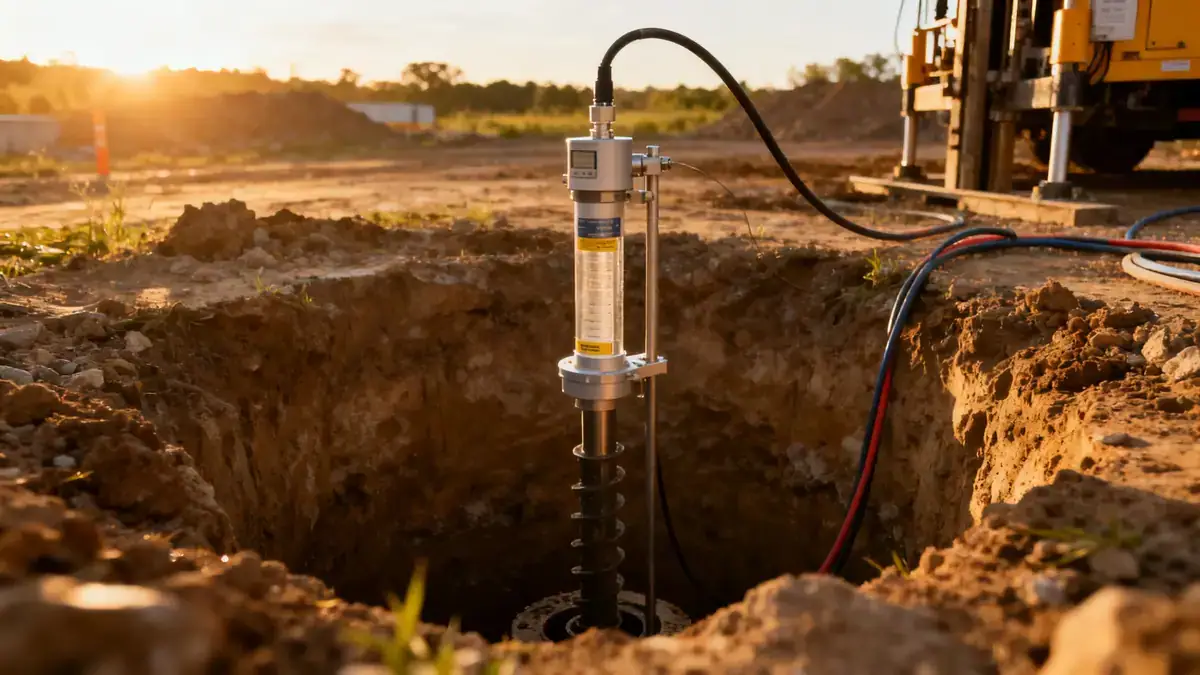
Methodology
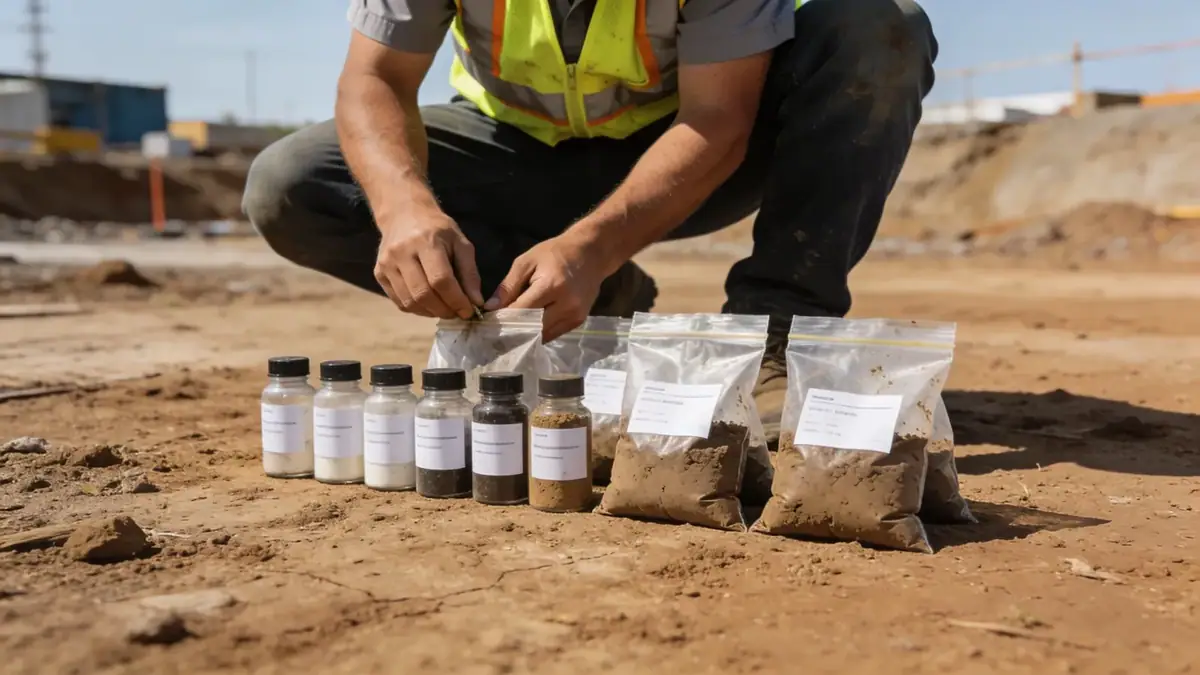
Our approach to geotechnical engineering in Visalia integrates field investigation, laboratory testing, and advanced analysis. We perform spt boring to characterize subsurface stratigraphy and obtain soil samples for laboratory classification. In our soil mechanics laboratory, we determine index properties, strength, and consolidation parameters following ASTM standards. This data informs foundation design, slope stability assessments, and seismic evaluations, ensuring compliance with local codes. Our methodology is tailored to the specific soil and groundwater conditions encountered in Visalia, providing reliable recommendations for every project.
Reference Technical Parameters
| Parameter | Reference Value |
|---|---|
| Predominant Soil Type | Alluvial silty sands and clays |
| Maximum Seismic Acceleration (PGA) | 0.4g (per ASCE 7 for Seismic Design Category D) |
| Typical Groundwater Level | 10–20 ft below ground surface |
| Bedrock Depth | Over 500 ft in valley floor |
| Typical N60 Range | 10–30 blows/ft |
Local Considerations — Visalia
Visalia is underlain by deep alluvial deposits from the Sierra Nevada, consisting of interbedded sands, silts, and clays. Groundwater levels fluctuate seasonally, requiring careful dewatering considerations for excavations. The region is seismically active due to nearby faults such as the San Andreas and White Wolf, with a maximum considered earthquake (MCE) spectral response acceleration at 0.2 seconds of approximately 1.0g. Neighborhoods on the eastern side, closer to the Sierra foothills, may encounter coarser alluvial fans with shallow bedrock, while western areas have finer-grained soils with higher liquefaction potential. Typical projects include residential slabs-on-grade, warehouses on shallow foundations, and retaining walls for commercial sites. Our team coordinates with the City of Visalia and Tulare County to meet all local geotechnical requirements. For broader context, our geotechnical engineering services from Los Angeles provide regional expertise applicable to Visalia.
Request a Quote
Our team reviews your project and issues an initial report at no cost.
Or write us directly at [email protected]
Services in Visalia
Applicable Standards
- ASTM D1586 (Standard Test Method for Standard Penetration Test)
- ASCE 7 (Minimum Design Loads for Buildings and Other Structures)
- California Building Code (CBC) Chapter 18
- ASTM D2487 (Standard Practice for Classification of Soils for Engineering Purposes)
Frequently Asked Questions
What types of soil are typically found in Visalia?
Visalia is underlain by alluvial soils, primarily silty sands and clays deposited by streams from the Sierra Nevada. These soils vary in density and moisture content, requiring site-specific investigation to determine engineering properties.
How do seismic hazards affect construction in Visalia?
Visalia is in Seismic Design Category D per ASCE 7, with a PGA of 0.4g. Soil liquefaction and lateral spreading are concerns in saturated loose sands. Geotechnical reports must address these hazards to ensure foundation and structural safety.
Is a geotechnical study required for building permits in Visalia?
Yes, most commercial and multi-family residential projects in Visalia require a geotechnical investigation per the California Building Code. Single-family homes may also require study if on expansive soils or in high-seismic areas.