Methodology
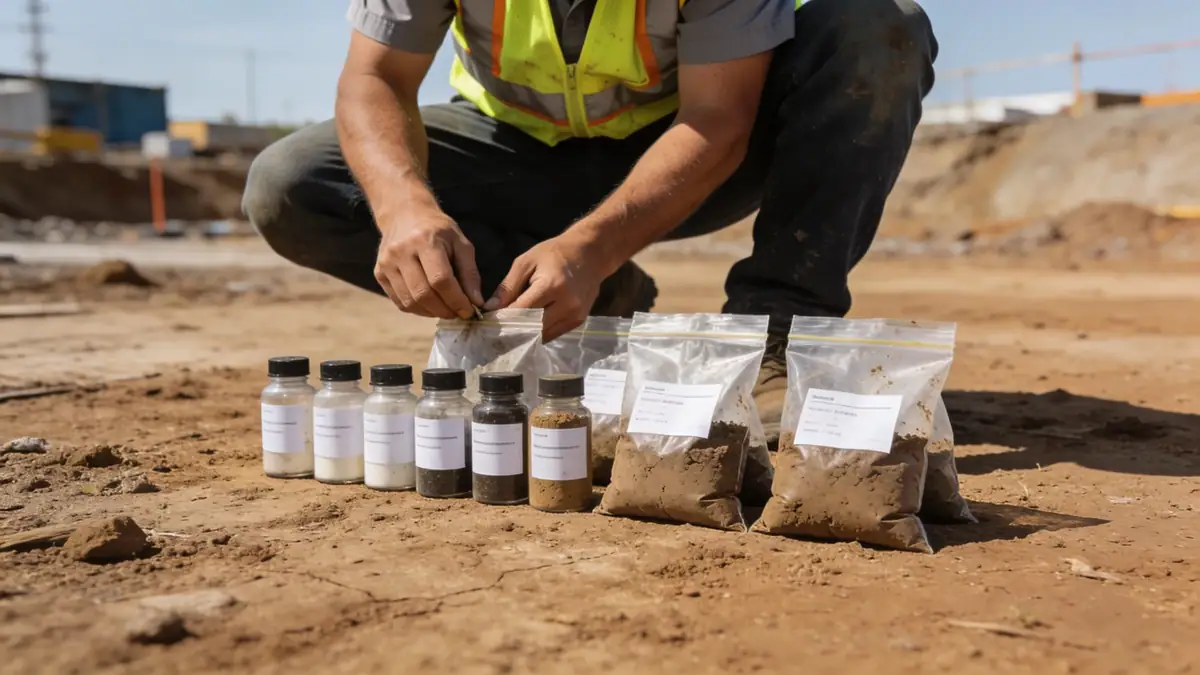
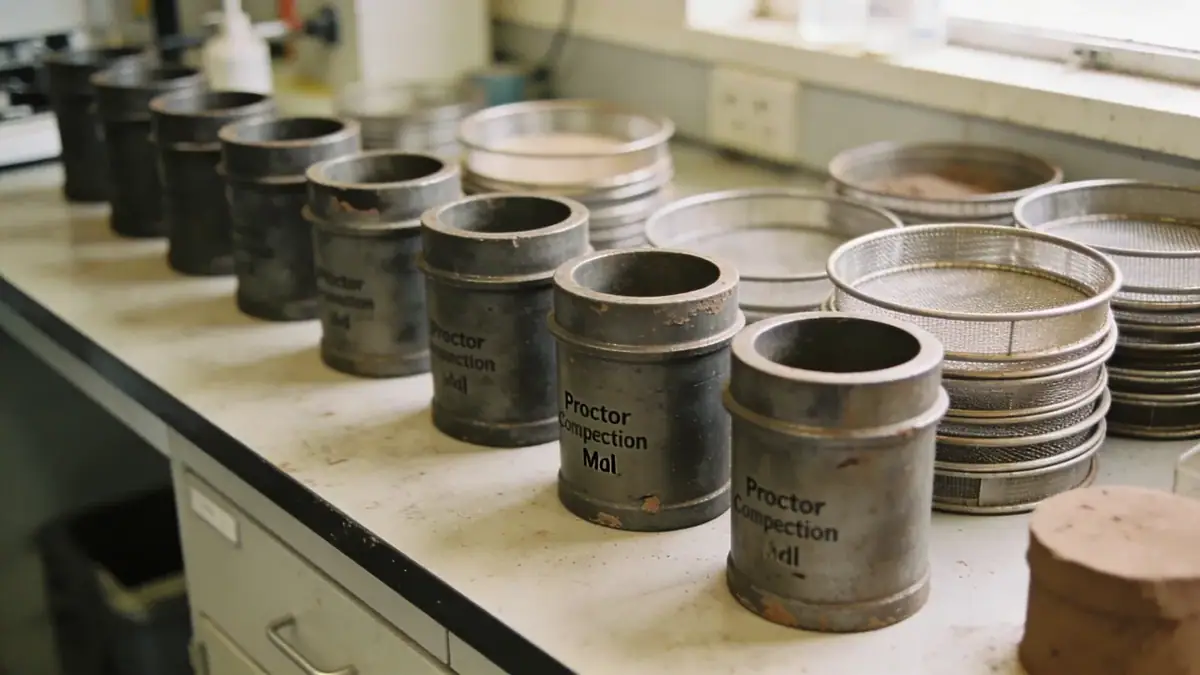
Our methodology for geotechnical engineering in Glendale California begins with a thorough desktop study of geologic maps and previous site investigations. We then conduct field exploration using spt boring in accordance with ASTM D1586, typically advancing borings to depths of 15–30 meters to characterize soil stratigraphy and groundwater conditions. Soil samples are retrieved for laboratory classification, strength, and consolidation testing. Seismic hazard analysis follows ASCE 7-22 procedures to determine site class and design response spectra. This integrated approach allows our team to develop site-specific foundation and earthwork recommendations that address Glendale's variable subsurface conditions.
Reference Technical Parameters
| Parameter | Reference Value |
|---|---|
| Predominant soil type | Alluvial sands, silts, and clays with gravel lenses |
| Maximum seismic acceleration (PGA) | 0.5–0.7g (Site Class D, per ASCE 7-22) |
| Typical groundwater level | 10–25 feet below grade (varies seasonally) |
| Bedrock depth | 50–100+ feet (Verdugo Mountains adjacent) |
| Typical N60 range | 10–30 blows/ft in sand layers; 5–15 blows/ft in clays |
Local Considerations — Glendale California
Glendale California's subsurface is dominated by Quaternary alluvium from the Verdugo Wash and Los Angeles River. soil mechanics laboratory testing frequently reveals expansive clays (PI > 30) in the foothills, while basin areas contain loose sands susceptible to liquefaction during seismic events. Groundwater is typically encountered at 10–25 feet, requiring dewatering considerations for deep excavations. The city's proximity to the San Andreas and Raymond faults imposes high seismic demands, with PGA values up to 0.7g per ASCE 7-22. Our team has extensive experience with these conditions, having supported projects ranging from high-rises in downtown Glendale to hillside developments near the Verdugos. For regional context, see our geotechnical engineering services in Los Angeles.
Request a Quote
Our team reviews your project and issues an initial report at no cost.
Or write us directly at [email protected]
Services in Glendale California
Applicable Standards
- ASTM D1586 (Standard Penetration Test)
- ASCE 7-22 (Minimum Design Loads for Buildings)
- California Building Code 2022 (CBC)
- City of Glendale Municipal Code (Title 17)
Frequently Asked Questions
What soil types are common in Glendale California?
Glendale's soils are primarily Quaternary alluvium, consisting of interbedded sands, silts, and clays. In the Verdugo foothills, colluvial deposits and weathered bedrock are common. Expansive clays with high plasticity are frequently encountered, requiring specialized foundation design to mitigate heave.
Is a geotechnical study required for construction in Glendale?
Yes, the City of Glendale mandates geotechnical investigations for most new construction and additions, especially in seismic hazard zones. The California Building Code requires site-specific soil and seismic evaluations to determine liquefaction potential, slope stability, and foundation bearing capacity.
How does seismic activity affect foundations in Glendale?
Glendale lies within a high seismic region, with potential for strong ground shaking from the San Andreas, Raymond, and Verdugo faults. Our designs incorporate site-specific response spectra per ASCE 7-22, addressing liquefaction in loose sands and lateral spreading near drainage channels. Deep foundations or ground improvement may be necessary in susceptible areas.