
Methodology
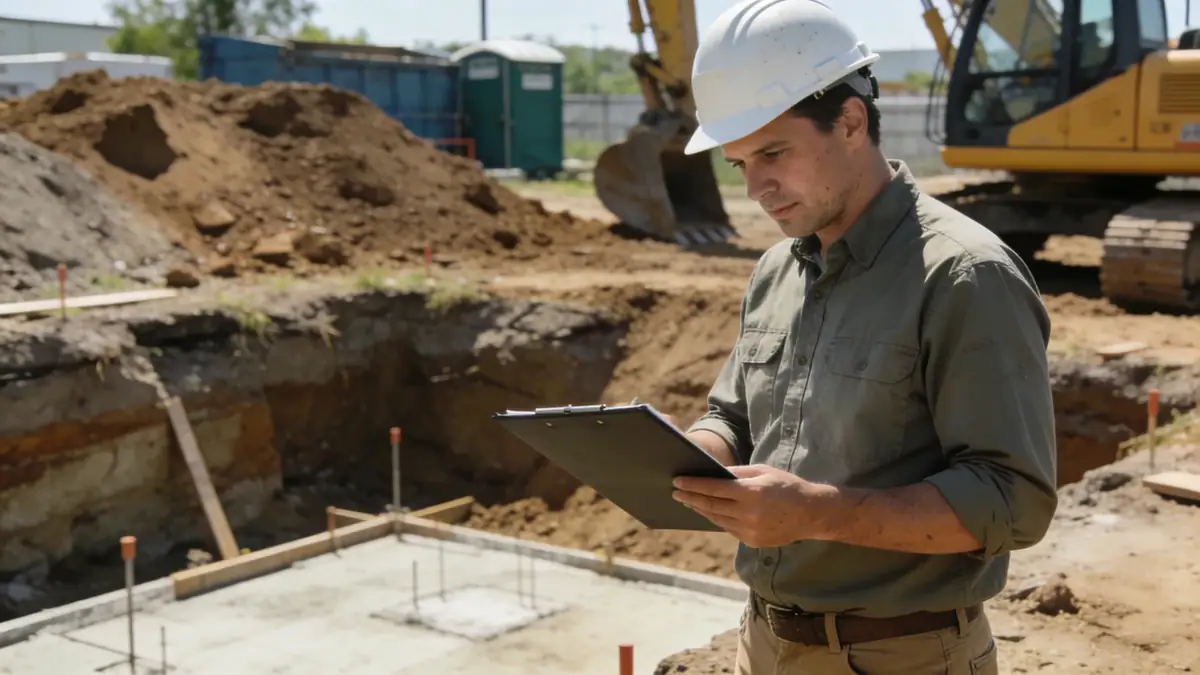
Our geotechnical engineering methodology in Fresno begins with a thorough review of existing geological maps and previous site data. We then conduct field investigations, including spt boring to obtain soil samples and measure in-situ properties. Soil samples are analyzed in our soil mechanics laboratory for classification, strength, and compressibility. We follow ASTM D1586 for SPT procedures and ASTM D2487 for soil classification. Our approach integrates field and lab data to develop geotechnical parameters for foundation design, slope stability, and seismic analysis. Each project is tailored to the specific site conditions of Fresno.
Reference Technical Parameters
| Parameter | Reference Value |
|---|---|
| Predominant soil type | Sandy clay and clayey sand (CL, SC) |
| Maximum seismic acceleration (PGA) | 0.4g (ASCE 7-16) |
| Typical groundwater level | 3 to 6 meters below ground surface |
| Bedrock depth | >30 meters (deep alluvial basin) |
| Typical N60 range | 10 to 30 blows per foot (SPT) |
Local Considerations — Fresno
Fresno's geology is dominated by deep alluvial deposits from the Sierra Nevada, consisting of interbedded sands, silts, and clays. The shallow groundwater table requires careful consideration for basement excavations and foundation drainage. Seismic hazards include strong ground shaking from nearby faults, such as the San Andreas, with PGA values up to 0.4g per ASCE 7. Soil liquefaction potential is moderate in loose sandy layers. Our team has extensive experience with residential and commercial projects in Fresno, from downtown high-rises to agricultural structures. For clients requiring services beyond Fresno, our geotechnical engineering in Los Angeles office provides similar expertise in a different geologic setting. Additionally, we offer specialized slope stability analyses for hillside developments.
Request a Quote
Our team reviews your project and issues an initial report at no cost.
Or write us directly at [email protected]
Services in Fresno
Applicable Standards
- ASTM D1586 (Standard Test Method for Standard Penetration Test)
- ASCE 7-16 (Minimum Design Loads for Buildings and Other Structures)
- California Building Code (CBC 2019)
- ASTM D2487 (Standard Practice for Classification of Soils for Engineering Purposes)
Frequently Asked Questions
What soil types are commonly found in Fresno?
Fresno's subsurface primarily consists of alluvial deposits from the Sierra Nevada, including sandy clays, clayey sands, and silts. These soils are often interbedded and can vary significantly over short distances, requiring thorough site investigation.
Does Fresno have specific seismic design requirements?
Yes, Fresno is in a seismically active region with a maximum considered earthquake spectral acceleration of approximately 0.4g. The California Building Code and ASCE 7 require site-specific seismic analysis, including liquefaction assessment for sandy soils.
Are geotechnical studies mandatory for construction in Fresno?
While not always legally required for all projects, most local building departments and lenders strongly recommend or require geotechnical investigations. For critical structures and commercial buildings, a geotechnical report is typically mandatory to ensure safety and compliance.