Methodology
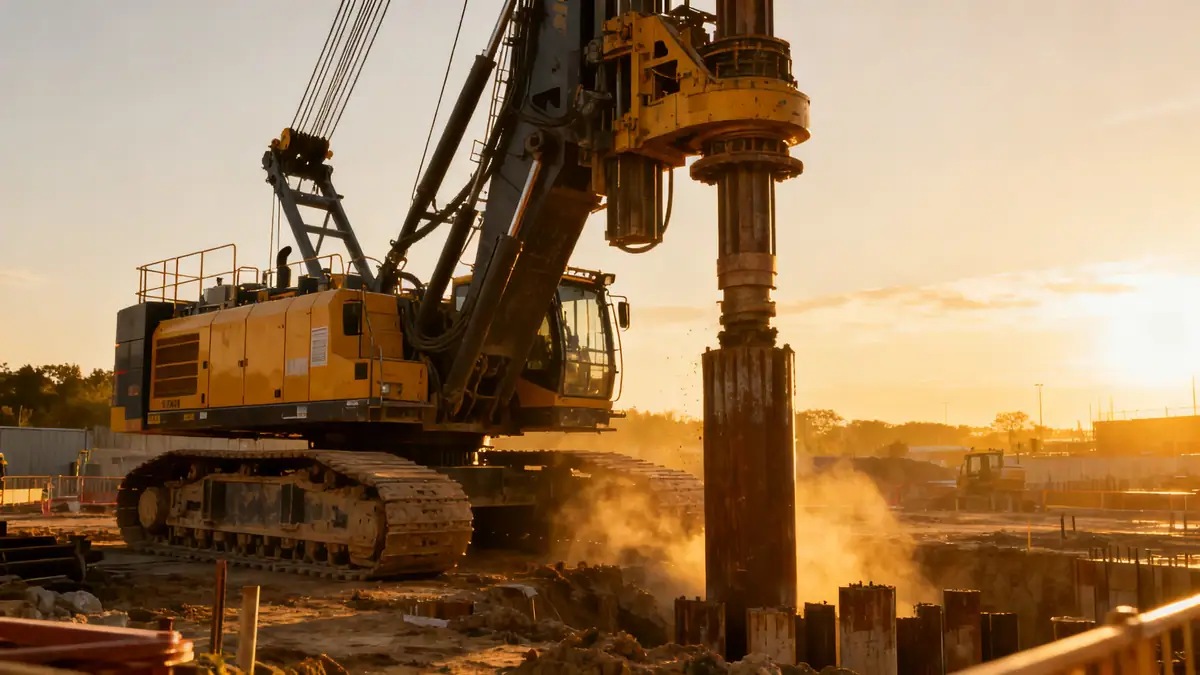
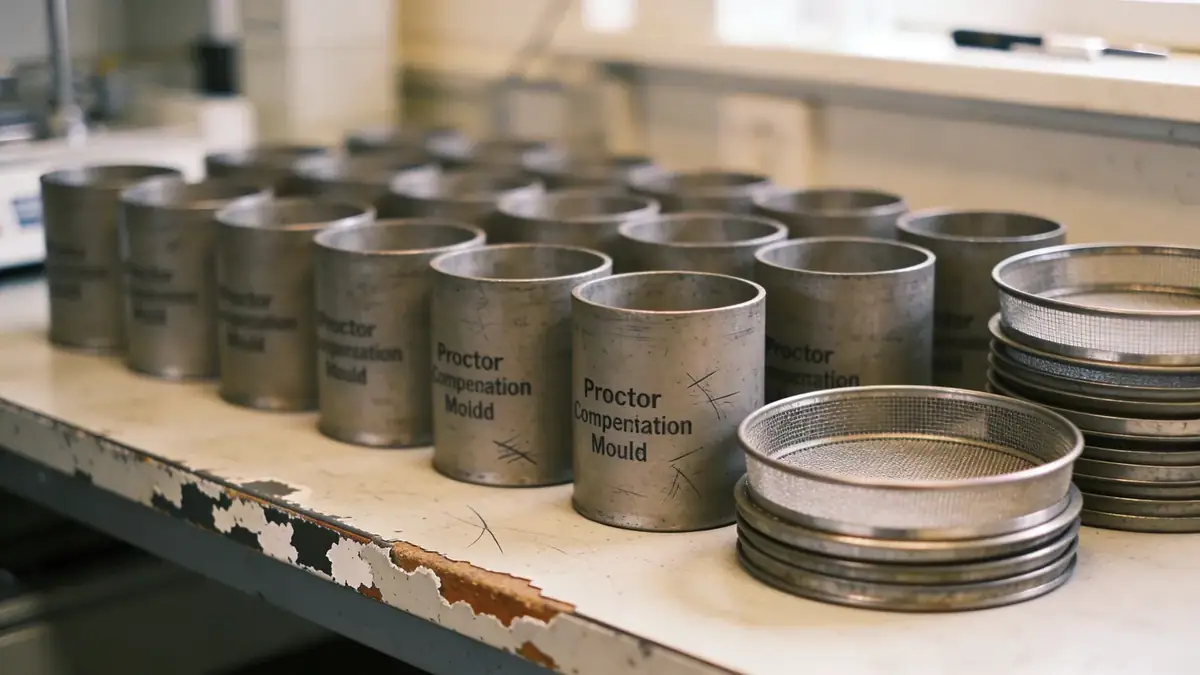
Our geotechnical approach in Sunnyvale integrates standard penetration testing (SPT) per ASTM D1586, continuous soil sampling, and laboratory testing to characterize subsurface conditions. We perform seismic hazard analyses including site-specific response spectra per ASCE 7-16, with maximum considered earthquake (MCE) parameters. Our team conducts spt boring at depths ranging from 8 to 30 meters, depending on project loads and soil variability. Field investigations are complemented by laboratory tests such as Atterberg limits, grain size distribution, and direct shear to derive engineering parameters for foundation design and slope stability assessments.
Reference Technical Parameters
| Parameter | Reference Value |
|---|---|
| Predominant soil type | Silty clay and clayey silt (ML/CL) over sand and gravel |
| Maximum seismic acceleration (PGA) | 0.4g to 0.6g (MCE, Site Class D) |
| Typical groundwater level | 3 to 8 meters below ground surface |
| Bedrock depth | Variable, typically >30 meters (deep alluvial basin) |
| Typical N60 range | 5 to 30 blows per foot (varies with depth and soil type) |
Local Considerations — Sunnyvale
Sunnyvale's subsurface consists of young alluvial deposits with interbedded clays, silts, sands, and gravels. High groundwater levels (3–8 m) often require dewatering or waterproofing considerations. Seismic site class D (stiff soil) is common, with peak ground accelerations up to 0.6g per ASCE 7. Liquefaction potential exists in loose saturated sands. Our team addresses these through detailed soil mechanics laboratory testing. For projects requiring regional context, our geotechnical engineering en Los Angeles office provides additional support for California-wide standards.
Request a Quote
Our team reviews your project and issues an initial report at no cost.
Or write us directly at [email protected]
Services in Sunnyvale
Applicable Standards
- California Building Code (CBC) 2022
- ASCE 7-16 Minimum Design Loads for Buildings
- ASTM D1586 Standard Test Method for SPT
- ASTM D2487 Classification of Soils
Frequently Asked Questions
What soil types are typical in Sunnyvale for foundation design?
Sunnyvale's soils are predominantly Quaternary alluvium: silty clays and clayey silts (ML/CL) near the surface, underlain by sands and gravels. These materials exhibit variable bearing capacity and compressibility, requiring site-specific testing per ASTM standards.
How does seismic hazard affect geotechnical engineering in Sunnyvale?
Sunnyvale is in a high seismic zone due to nearby faults. ASCE 7-16 requires site-specific ground motion analysis, including peak ground acceleration up to 0.6g and liquefaction assessment. Our evaluations incorporate these factors to ensure structural safety.
Are geotechnical investigations mandatory for construction projects in Sunnyvale?
Yes, the California Building Code mandates geotechnical investigations for most new construction and significant alterations. A geotechnical report is required to address seismic design, foundation support, and soil stability, and must be prepared by a licensed professional.