Methodology
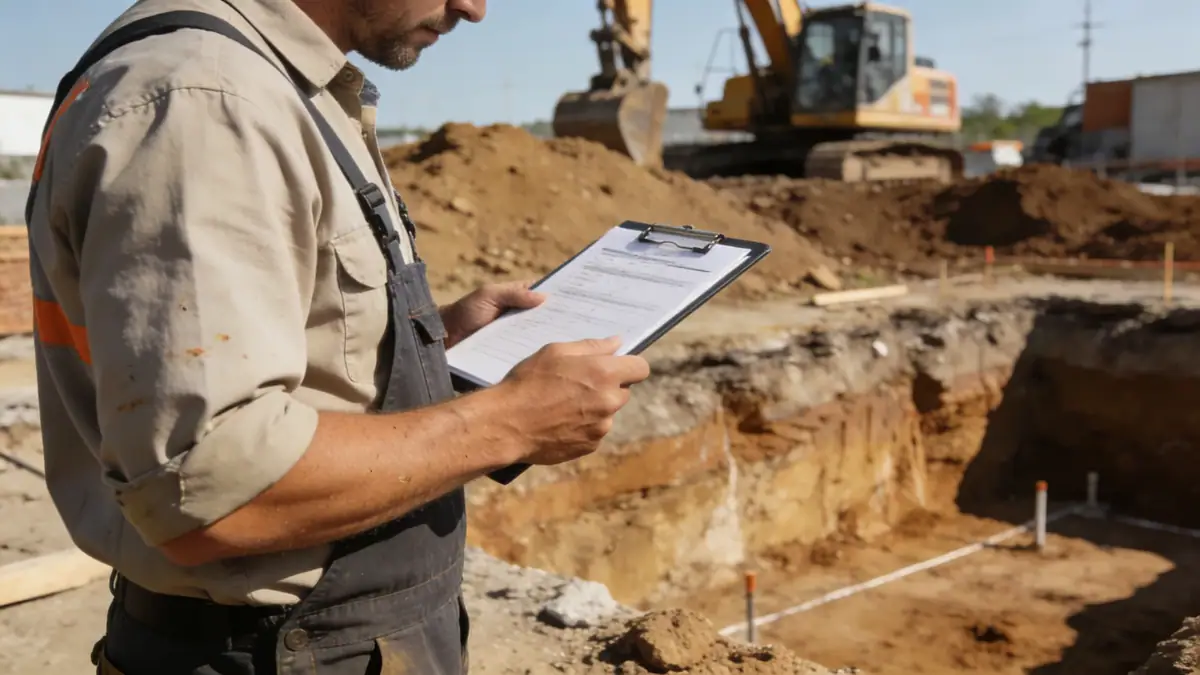
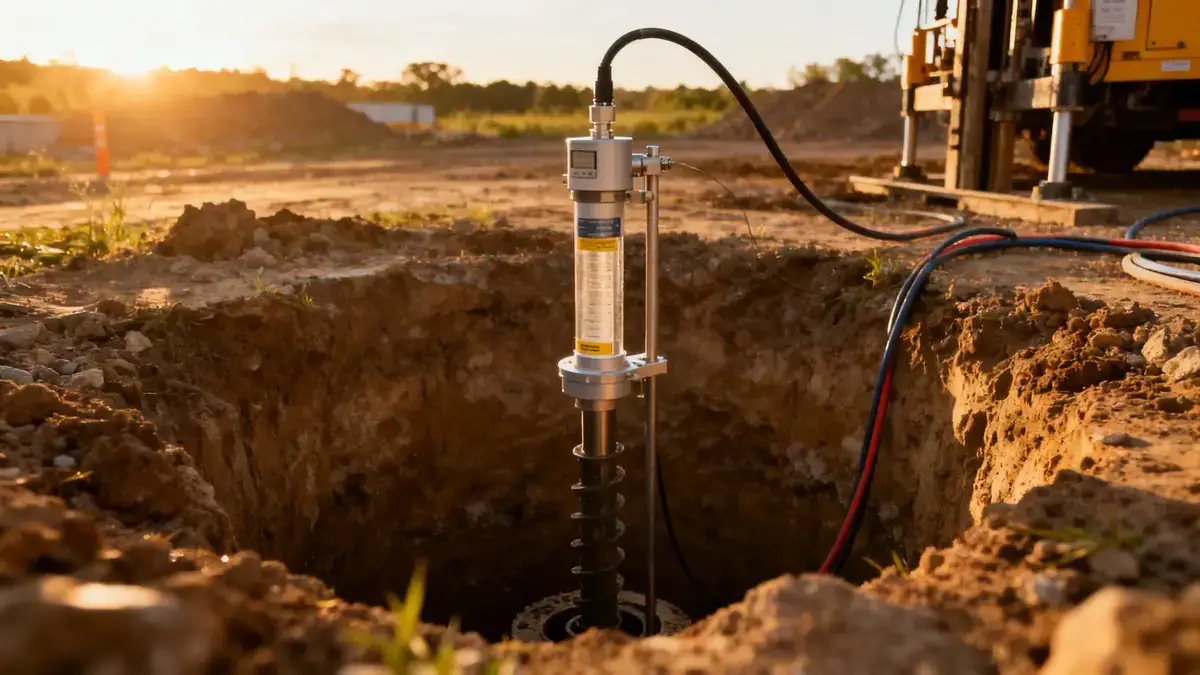
Our methodology for geotechnical engineering in Torrance begins with a thorough review of existing geologic maps and records. We then conduct field investigations, including spt boring and soil sampling, to characterize subsurface conditions. Laboratory testing follows ASTM standards to determine soil strength, compressibility, and groundwater parameters. Data analysis informs foundation design and earthwork recommendations, with continuous oversight by our senior engineers.
Reference Technical Parameters
| Parameter | Reference Value |
|---|---|
| Predominant soil type | Silty sand and clay (Alluvium) |
| Maximum seismic acceleration (PGA) | 0.4g (ASCE 7) |
| Typical groundwater level | 5–15 ft depth |
| Bedrock depth | 50–100 ft |
| Typical N60 range | 10–30 blows/ft |
Local Considerations — Torrance
Torrance's geology consists of Quaternary alluvial deposits overlying sedimentary bedrock. The water table is shallow in coastal areas, posing challenges for excavation and foundation drainage. Seismic hazards include strong ground shaking from nearby faults, requiring adherence to ASCE 7 seismic design criteria. Our firm provides soil mechanics laboratory testing to evaluate liquefaction potential and soil strength. For projects requiring specialized analysis, we coordinate with our main office for geotechnical engineering en Los Angeles.
Request a Quote
Our team reviews your project and issues an initial report at no cost.
Or write us directly at [email protected]
Services in Torrance
Applicable Standards
- ASTM D1586 (Standard Penetration Test)
- ASCE 7 (Minimum Design Loads for Buildings)
- California Building Code (CBC)
- City of Torrance Municipal Code
Frequently Asked Questions
What are the typical soil conditions in Torrance?
Torrance soils are predominantly alluvial silty sands and clays, with variable groundwater depths. These conditions require careful evaluation for foundation design and seismic hazards.
Is seismic analysis required for construction in Torrance?
Yes, due to proximity to active faults, seismic analysis per ASCE 7 is mandatory. Our firm provides site-specific response spectra and liquefaction assessments to meet code requirements.
Do I need a geotechnical study for a residential project in Torrance?
Most residential projects require a geotechnical investigation to determine soil bearing capacity and seismic design parameters, as mandated by the City of Torrance and the California Building Code.