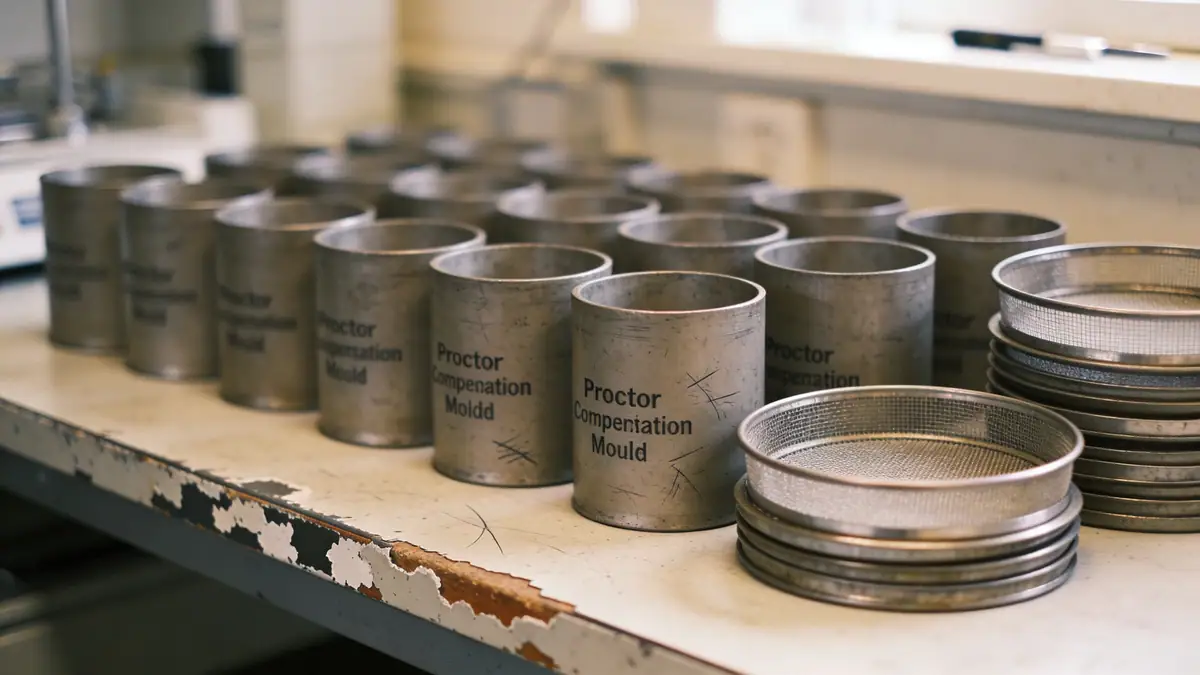
Methodology
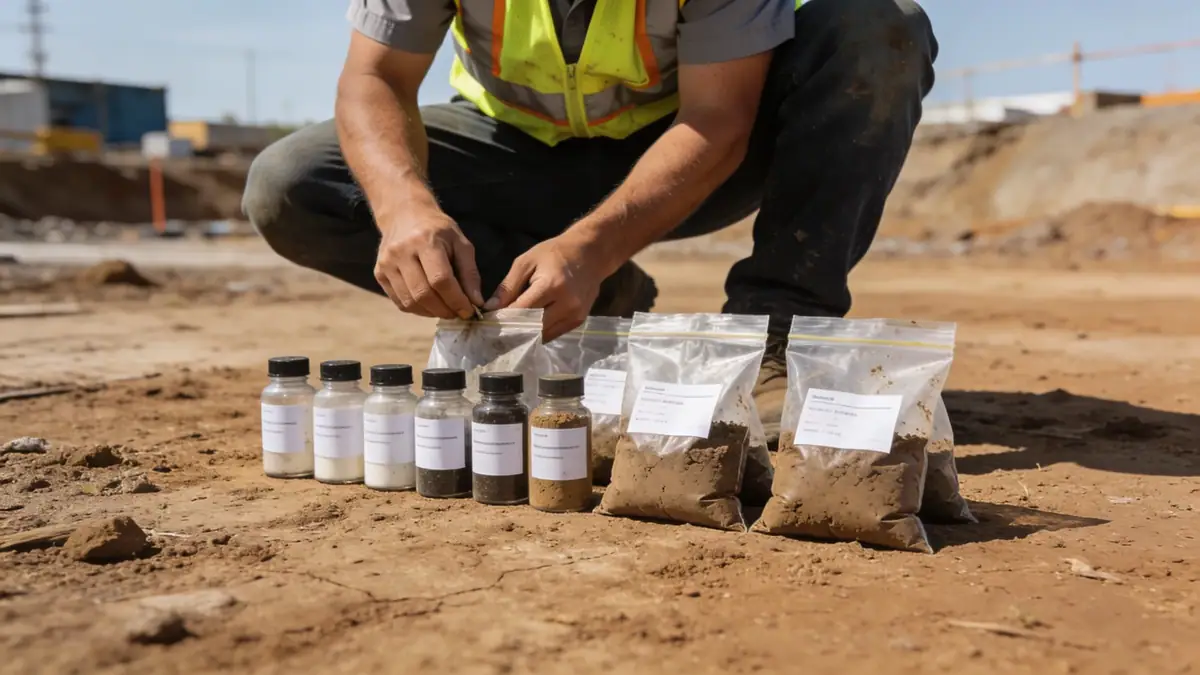
Our methodology for geotechnical engineering in Santa Rosa integrates field exploration, laboratory testing, and numerical analysis. We conduct spt boring at intervals of 1.0–1.5 m per ASTM D1586 to obtain N60 values and undisturbed samples. Laboratory testing includes grain size distribution, Atterberg limits, and direct shear strength. Seismic site classification follows ASCE 7-22, with shear wave velocity measurements when necessary. This systematic approach supports foundation design, slope stability assessment, and earthwork recommendations tailored to Santa Rosa’s varied subsurface conditions.
Reference Technical Parameters
| Parameter | Reference Value |
|---|---|
| Predominant soil type | Gravelly sands and clayey silts (SM, SC, ML) |
| Maximum seismic acceleration (PGA) | 0.5–0.7 g (Site Class D, ASCE 7-22) |
| Typical groundwater level | 3–8 m below grade (seasonal variation) |
| Bedrock depth | 10–30 m (Franciscan Complex or Sonoma Volcanics) |
| Typical N60 range | 15–40 blows/ft (sand layers); 5–20 blows/ft (clay layers) |
Local Considerations — Santa Rosa
Santa Rosa’s geology is shaped by the Coast Ranges, with the eastern hills underlain by Sonoma Volcanics (basalts and tuffs) and the western valley underlain by Quaternary alluvium. Seismic hazards include strong ground shaking from the Rodgers Creek Fault (M6.7 scenario) and potential liquefaction in sandy alluvium with groundwater less than 8 m deep. Slope instability is common in steep terrain underlain by clay-rich residual soils. The city enforces Chapter 70 of the California Building Code, requiring geotechnical investigations for most new construction. For comprehensive analysis, our firm integrates soil mechanics laboratory testing to characterize soil behavior under seismic loading.
Request a Quote
Our team reviews your project and issues an initial report at no cost.
Or write us directly at [email protected]
Services in Santa Rosa
Applicable Standards
- ASTM D1586 (Standard Penetration Test)
- ASCE 7-22 (Minimum Design Loads and Associated Criteria for Buildings)
- California Building Code (Title 24, Part 2, Chapter 18)
- City of Santa Rosa Grading and Erosion Control Ordinance
Frequently Asked Questions
What are the typical soil types encountered in Santa Rosa?
Santa Rosa soils vary from gravelly sands and silty clays in the valley to weathered volcanic rock on the eastern hills. The alluvial plain contains interbedded fine sands, silts, and clays, often with shallow groundwater. These conditions require site-specific testing to evaluate bearing capacity and settlement.
How does seismic design apply in Santa Rosa?
Santa Rosa lies in Seismic Zone 4 per ASCE 7-22, with peak ground accelerations up to 0.7 g. The Rodgers Creek Fault passes through the city, necessitating fault rupture studies for critical structures. Geotechnical reports must include site class determination and liquefaction assessment for compliance with the California Building Code.
Are geotechnical studies mandatory for residential projects in Santa Rosa?
Yes, most residential subdivisions and hillside developments require a geotechnical investigation per City of Santa Rosa ordinances. For single-family homes on flat lots with no known hazards, a preliminary soils report may be sufficient. Always verify with the building department.