Methodology
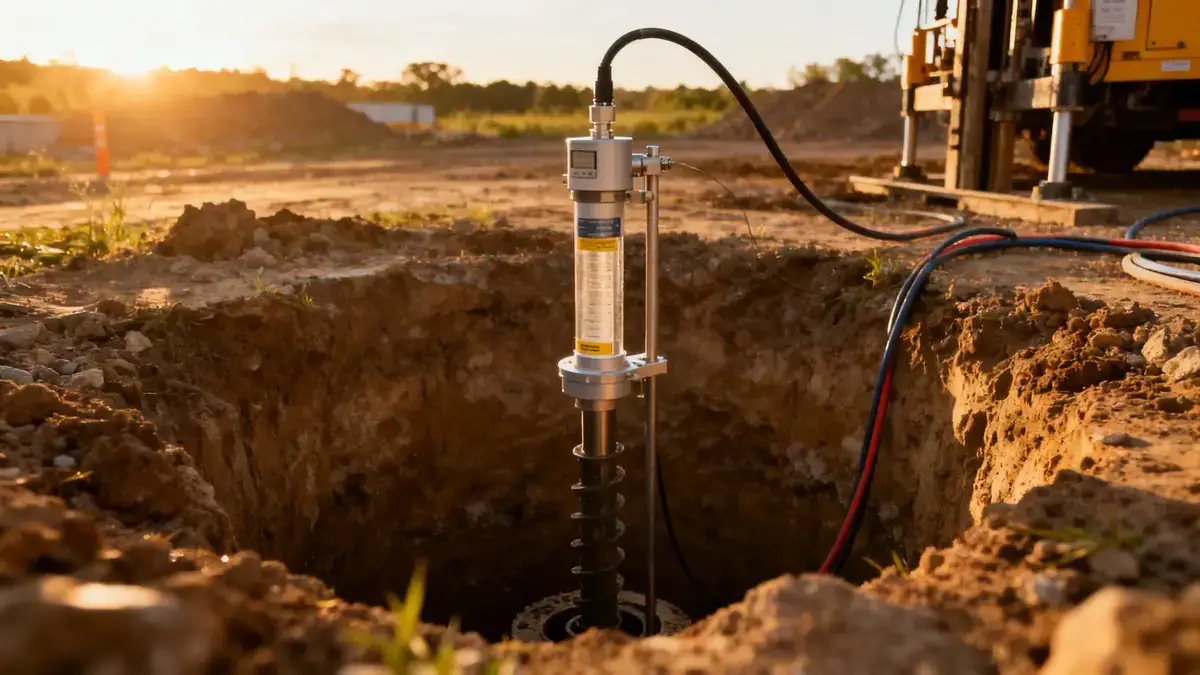
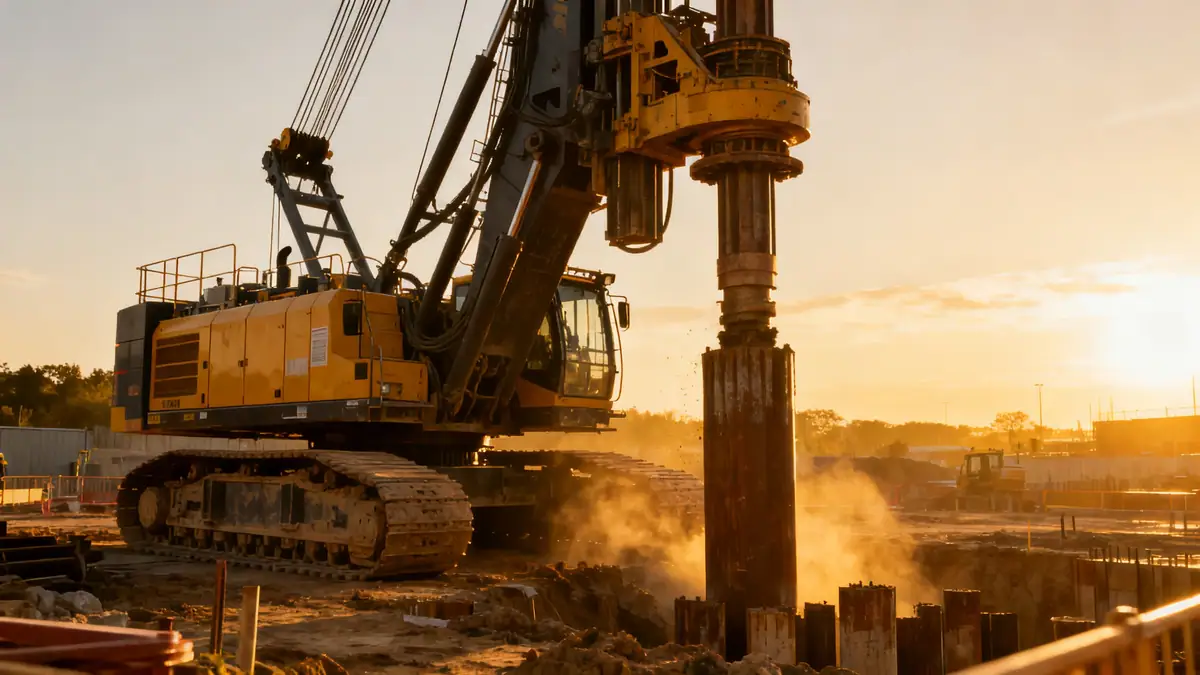
Our methodology in Irvine begins with a thorough review of existing geologic maps and seismic hazard data, followed by field investigations including spt boring to characterize subsurface conditions. We employ continuous sampling at 1.0-1.5 m intervals per ASTM D1586, with borehole depths ranging from 8 to 30 m depending on project scale. Laboratory testing on recovered samples follows ASTM standards for index properties, strength, and consolidation. All data are integrated into a geotechnical model that considers Irvine's specific soil variability and seismic parameters, yielding practical foundation and earthwork recommendations.
Reference Technical Parameters
| Parameter | Reference Value |
|---|---|
| Predominant soil type | Alluvial sands, silts, and clays with gravel layers |
| Maximum seismic acceleration (PGA) | 0.5g to 0.7g (Site Class D, per ASCE 7-16) |
| Typical groundwater level | 5 to 15 feet below ground surface |
| Bedrock depth | 100 to 300 feet (Tertiary sedimentary rock) |
| Typical N60 range (SPT) | 10 to 50 blows per foot (sands); 5 to 20 (clays) |
Local Considerations — Irvine
Irvine's subsurface is dominated by young alluvial deposits from the Santa Ana River, with interbedded sands, silts, and clays. Groundwater is shallow in many areas, requiring dewatering or waterproofing for deep excavations. Seismic hazards include strong ground shaking from nearby faults (e.g., Newport-Inglewood, San Andreas) and potential liquefaction in loose, saturated sands. Our soil mechanics laboratory analyzes soil behavior under cyclic loading to assess liquefaction risk. Local regulations require site-specific seismic evaluations per ASCE 7-16. For projects requiring regional context, our geotechnical engineering en Los Angeles team provides additional expertise.
Request a Quote
Our team reviews your project and issues an initial report at no cost.
Or write us directly at [email protected]
Services in Irvine
Applicable Standards
- ASTM D1586
- ASCE 7-16
- California Building Code (CBC 2022)
- IBC 2021
- City of Irvine Grading and Drainage Ordinance
Frequently Asked Questions
What soil types are commonly found in Irvine?
Irvine's soils are predominantly alluvial, consisting of interbedded sands, silts, and clays. Gravel layers and occasional cobbles are present near active stream channels. The variability requires careful subsurface investigation to characterize each site.
How do seismic regulations affect geotechnical engineering in Irvine?
Irvine is in Seismic Zone 4 per ASCE 7-16, with peak ground accelerations up to 0.7g. Geotechnical reports must address fault rupture, liquefaction, and lateral spreading. Site-specific response spectra and dynamic analyses are often required for critical structures.
Are geotechnical studies mandatory for new construction in Irvine?
Yes, the City of Irvine requires a geotechnical investigation for most new developments, including residential, commercial, and infrastructure projects. The report must be prepared by a licensed geotechnical engineer and submitted with grading and building permit applications.