
Methodology
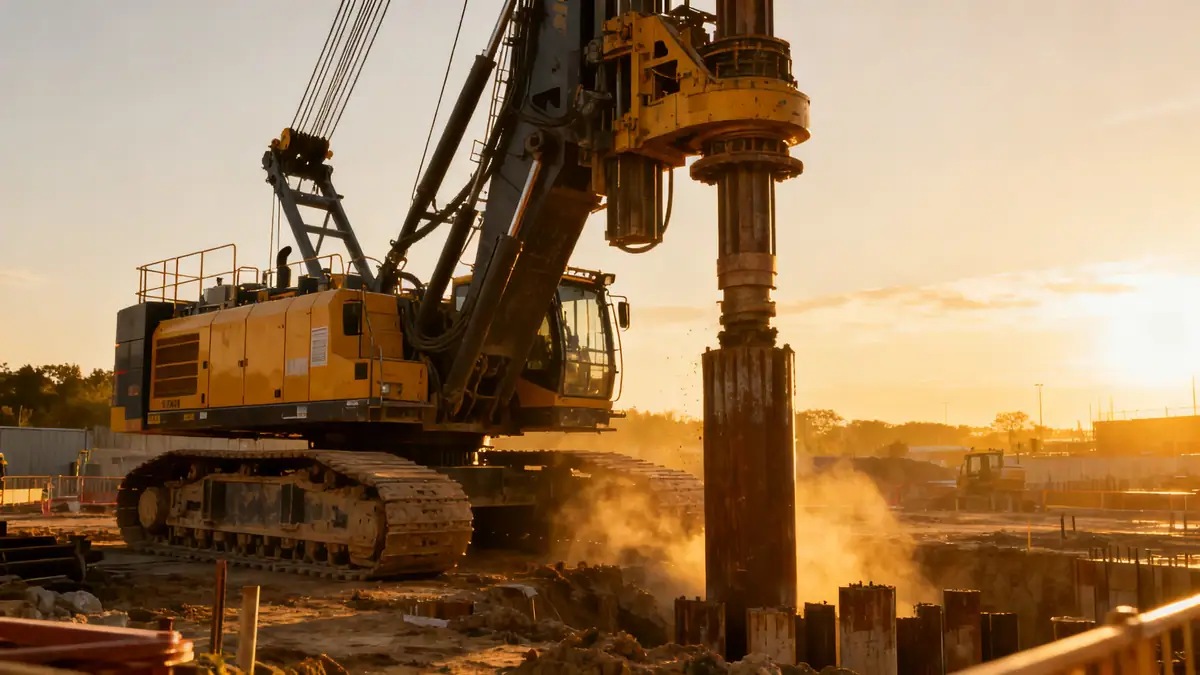
Our methodology for geotechnical engineering in Moreno Valley integrates field and laboratory programs tailored to project scale and complexity. We perform standard penetration testing (SPT) per ASTM D1586 to evaluate soil density and strength, supplemented by cone penetration testing (CPT) where continuous profiles are needed. Our soil mechanics laboratory classifies soils via sieve and hydrometer analysis (ASTM D6913/D7928) and determines compaction characteristics using Proctor tests (ASTM D698/D1557). Shear strength parameters are obtained from direct shear (ASTM D3080) and triaxial compression tests, while consolidation testing (ASTM D2435) assesses settlement potential. This integrated approach ensures reliable design parameters for foundations, retaining structures, and earthworks.
Reference Technical Parameters
| Parameter | Reference Value |
|---|---|
| Predominant soil type | Silty sand (SM) and poorly graded sand (SP) with gravel |
| Maximum seismic acceleration (PGA) | 0.4–0.6 g (MCE, per ASCE 7-16) |
| Typical groundwater level | Variable, 10–30 ft below ground surface; shallower near river |
| Bedrock depth | 100–300 ft (weathered granitic/metasedimentary rock) |
| Typical N60 range | 10–30 blows/ft (alluvium); >50 in older terrace deposits |
Local Considerations — Moreno Valley
Moreno Valley lies within the San Jacinto fault zone, a major active right-lateral strike-slip system capable of M 7+ earthquakes. Our team evaluates surface rupture hazard, liquefaction susceptibility in saturated alluvium, and seismic site class per ASCE 7. Local geology comprises Quaternary alluvial fan deposits underlain by weathered granitic rocks. Groundwater fluctuates seasonally, with perched zones near the river. Typical projects require mitigation of expansive soils and collapsible sands. For regional context, our geotechnical engineering en Los Angeles team applies similar methodologies adapted to coastal basin conditions.
Request a Quote
Our team reviews your project and issues an initial report at no cost.
Or write us directly at [email protected]
Services in Moreno Valley
Applicable Standards
- ASTM D1586 (Standard Penetration Test)
- ASCE 7-16 (Minimum Design Loads and Associated Criteria for Buildings and Other Structures)
- California Building Code (CBC, based on IBC)
- ASTM D2487 (Unified Soil Classification System)
- ASTM D5779 (Seismic Hazard Assessment)
Frequently Asked Questions
What are the typical soil types found in Moreno Valley?
The area is underlain by Quaternary alluvial fan deposits consisting of silty sands, poorly graded sands with gravel, and localized clay layers. Older terrace deposits to the west contain denser gravels and cobbles. Expansive clays and collapsible sands are encountered in specific zones.
How do seismic hazards affect geotechnical design in Moreno Valley?
Proximity to the San Jacinto fault zone imposes high seismic demands. Our analyses evaluate fault rupture, liquefaction, and lateral spreading. Site-specific response spectra per ASCE 7-16 are developed to determine design accelerations. Mitigation may include ground improvement or deep foundations.
Is a geotechnical investigation required for new construction in Moreno Valley?
Yes, the California Building Code mandates geotechnical investigations for most structures. A site-specific study is required to characterize soil strength, settlement potential, and seismic hazards. Our firm provides reports meeting CBC and local jurisdiction requirements.