Methodology
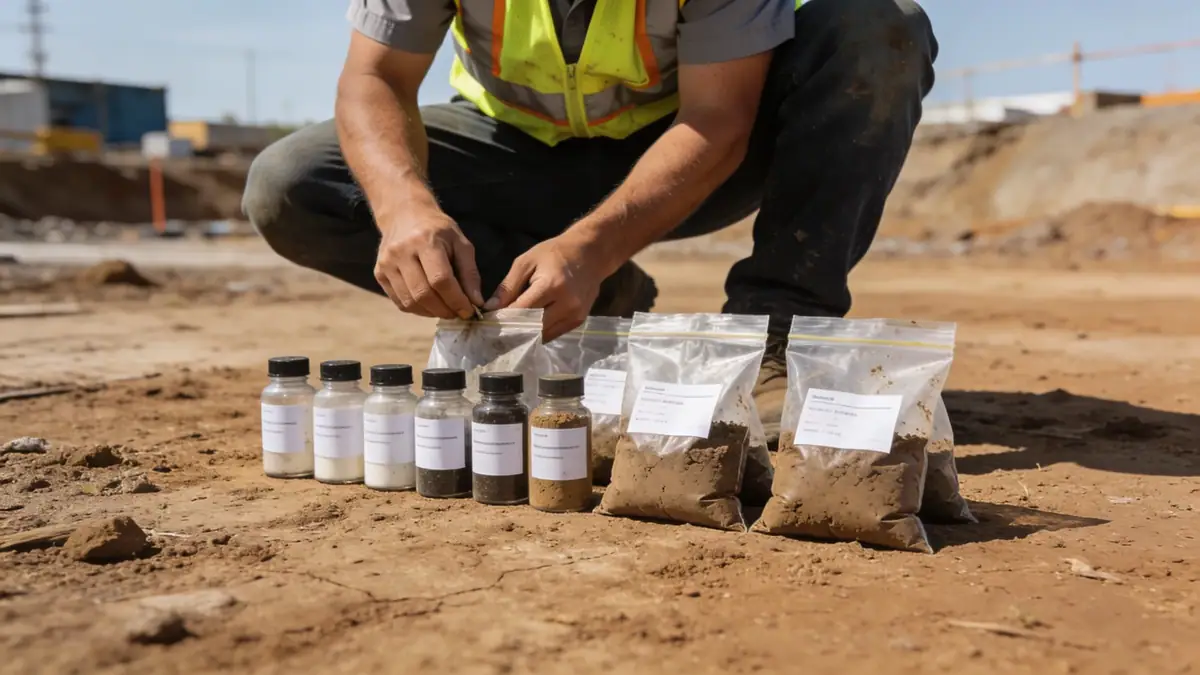
Our approach to geotechnical engineering in Honolulu begins with a thorough review of existing geologic maps and nearby boring logs. We then execute a field exploration program tailored to the site, typically including spt boring at intervals of 1.5 to 3 meters to characterize soil strata and obtain N-values. Samples are collected for laboratory classification and strength testing. For seismic evaluations, we perform shear wave velocity measurements and analyze liquefaction potential following ASCE 7 criteria. All investigations adhere to ASTM D1586 for SPT and ASTM D2487 for soil classification, ensuring data consistency and regulatory compliance.
Reference Technical Parameters
| Parameter | Reference Value |
|---|---|
| Predominant soil type | Volcanic ash, residual clay, and coral sand |
| Maximum seismic acceleration (PGA) | 0.4–0.6 g (ASCE 7 seismic design category D–E) |
| Typical groundwater level | 1.5–4.5 m below ground surface in coastal areas |
| Bedrock depth | Variable; 5–30 m in most of Honolulu basin |
| Typical N60 range | 4–25 blows/ft (soft to medium stiff clays and loose sands) |
Local Considerations — Honolulu
Honolulu's geology is dominated by volcanic deposits from the Koʻolau Range, with deep weathering profiles producing expansive clays and compressible silts. Coastal areas often contain coral sand and fill, while valleys may have colluvium prone to landslides. The high water table in many districts requires dewatering considerations and buoyancy checks for basements. Seismic hazards are significant, with design accelerations reaching 0.6 g and liquefaction potential in loose saturated sands. Our team integrates these factors into every geotechnical engineering in Honolulu project, and we coordinate with our soil mechanics laboratory to provide accurate soil parameters. Additionally, our headquarters in geotechnical engineering en Los Angeles supports nationwide expertise.
Request a Quote
Our team reviews your project and issues an initial report at no cost.
Or write us directly at [email protected]
Services in Honolulu
Applicable Standards
- ASTM D1586 (Standard Penetration Test)
- ASCE 7 (Minimum Design Loads for Buildings and Other Structures)
- IBC (International Building Code) with Hawaii amendments
- ASTM D2487 (Classification of Soils for Engineering Purposes)
- ASTM D4318 (Atterberg Limits)
Frequently Asked Questions
What are the typical soil conditions encountered in Honolulu?
Honolulu's soils vary from volcanic ash and residual clays in upland areas to coral sands and fill in coastal zones. Expansive clays and compressible silts are common in valleys, while loose sands near the shoreline pose liquefaction risks. A site-specific investigation is essential to characterize the variable subsurface profile.
Is a geotechnical study mandatory for construction in Honolulu?
Yes, the Hawaii Building Code requires a geotechnical investigation for most new structures, particularly those in seismic design categories C through F. The study must address soil bearing capacity, settlement, liquefaction potential, and lateral earth pressures to ensure compliance with IBC and local amendments.
How does Honolulu's seismic hazard affect foundation design?
Honolulu lies in a high-seismicity region with design PGA values up to 0.6 g. Foundations must resist overturning and sliding from seismic loads, and liquefaction-prone soils may require deep foundations or ground improvement. Our analyses follow ASCE 7 to determine site class and design response spectra.