Methodology
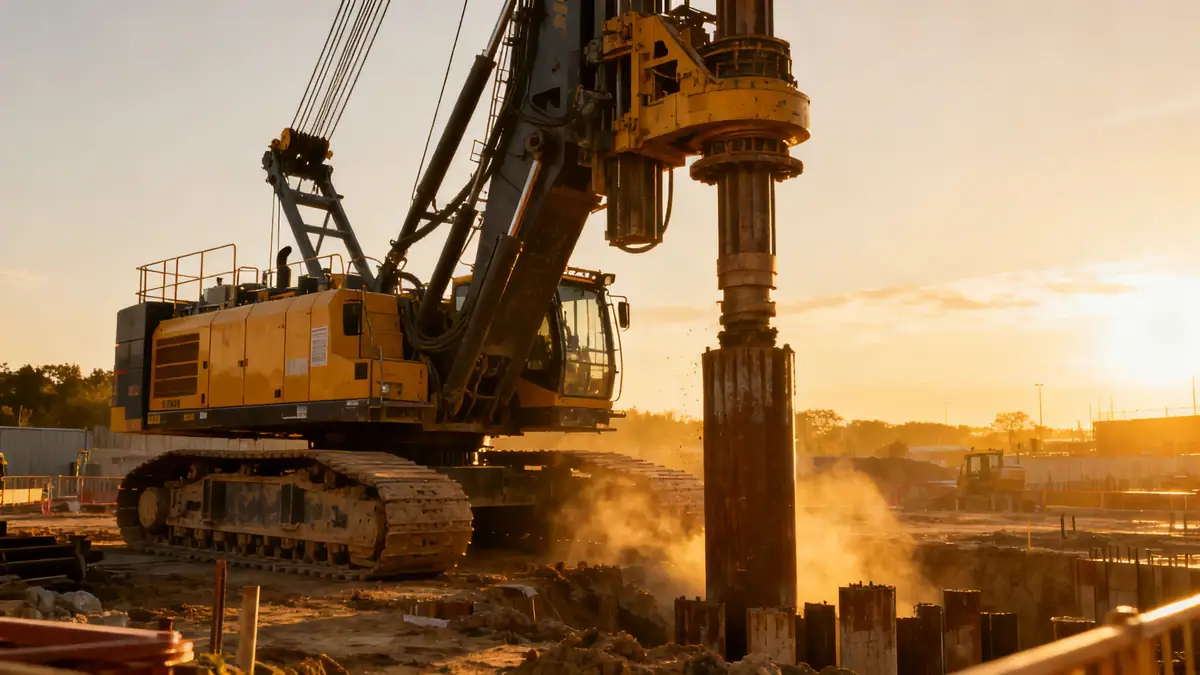
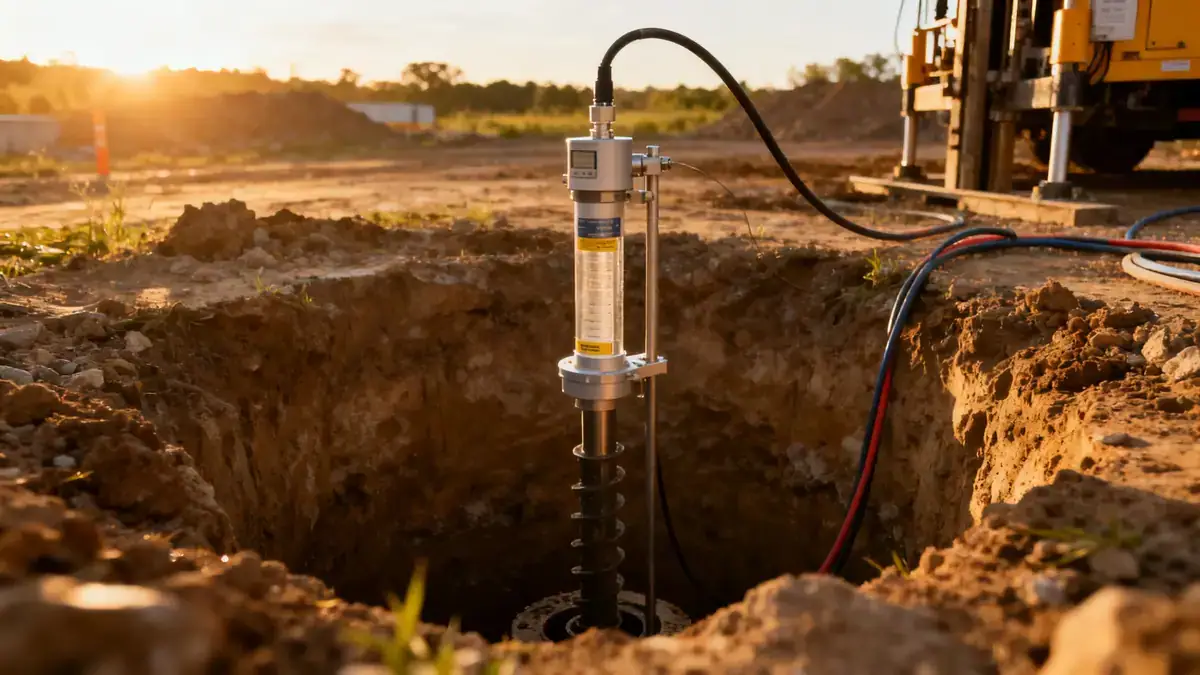
Our methodology for geotechnical engineering in Anaheim begins with a thorough review of existing geologic maps and prior subsurface data. We then execute a field exploration program that typically includes spt boring performed in accordance with ASTM D1586, supplemented by cone penetration tests where appropriate. Soil samples are retrieved for laboratory classification, strength, and consolidation testing. Groundwater levels are monitored during and after drilling. Seismic site classification per ASCE 7 is determined from shear wave velocity measurements or N60 blow counts. All data is synthesized into a geotechnical report that provides allowable bearing capacities, settlement estimates, and recommendations for seismic design parameters.
Reference Technical Parameters
| Parameter | Reference Value |
|---|---|
| Predominant soil type | Alluvial sands, silts, and gravels with clay lenses |
| Maximum seismic acceleration (PGA) | 0.4g to 0.6g (Site Class D, per ASCE 7) |
| Typical groundwater level | 10 to 25 feet below ground surface, varies seasonally |
| Bedrock depth | Greater than 100 feet in most areas |
| Typical N60 range (SPT) | 4 to 30 blows per foot (loose to medium dense sands) |
Local Considerations — Anaheim
Anaheim's subsurface is dominated by Quaternary alluvial deposits from the Santa Ana River, with interbedded sands, silts, and clays. Groundwater levels can be shallow near the river corridor, requiring dewatering considerations for excavations. Seismic hazards are significant due to proximity to the San Andreas and Newport-Inglewood faults; site-specific response spectra are often required. Older developments may have undocumented fill. Our team collaborates with local geologists to address these challenges, offering soil mechanics laboratory testing for accurate characterization. For projects requiring regional context, we reference our work at geotechnical engineering in Los Angeles to provide comparative insights.
Request a Quote
Our team reviews your project and issues an initial report at no cost.
Or write us directly at [email protected]
Services in Anaheim
Applicable Standards
- ASTM D1586 (Standard Penetration Test)
- ASCE 7 (Minimum Design Loads for Buildings)
- California Building Code (CBC)
- City of Anaheim Municipal Code (Title 18)
Frequently Asked Questions
What are the typical soil conditions in Anaheim for foundation design?
Anaheim's soils are primarily alluvial sands, silts, and gravels, often with clay layers. Groundwater is generally deep (10–25 ft) but can be shallower near the Santa Ana River. Bearing capacities typically range from 2,000 to 4,000 psf for shallow foundations, depending on soil density and compaction.
Does Anaheim require site-specific seismic hazard analysis?
Yes, for most commercial and multi-story residential projects. Anaheim is in Seismic Design Category D or E per ASCE 7. A site-specific ground motion analysis may be required by the California Building Code, especially for structures on soft soils or near known faults.
Are geotechnical investigations mandatory for all construction in Anaheim?
For most new buildings and additions, a geotechnical report is required by the City of Anaheim Building Division. Exceptions may apply for small accessory structures, but it is recommended to consult with the city early in the design process to determine specific requirements.