
Methodology
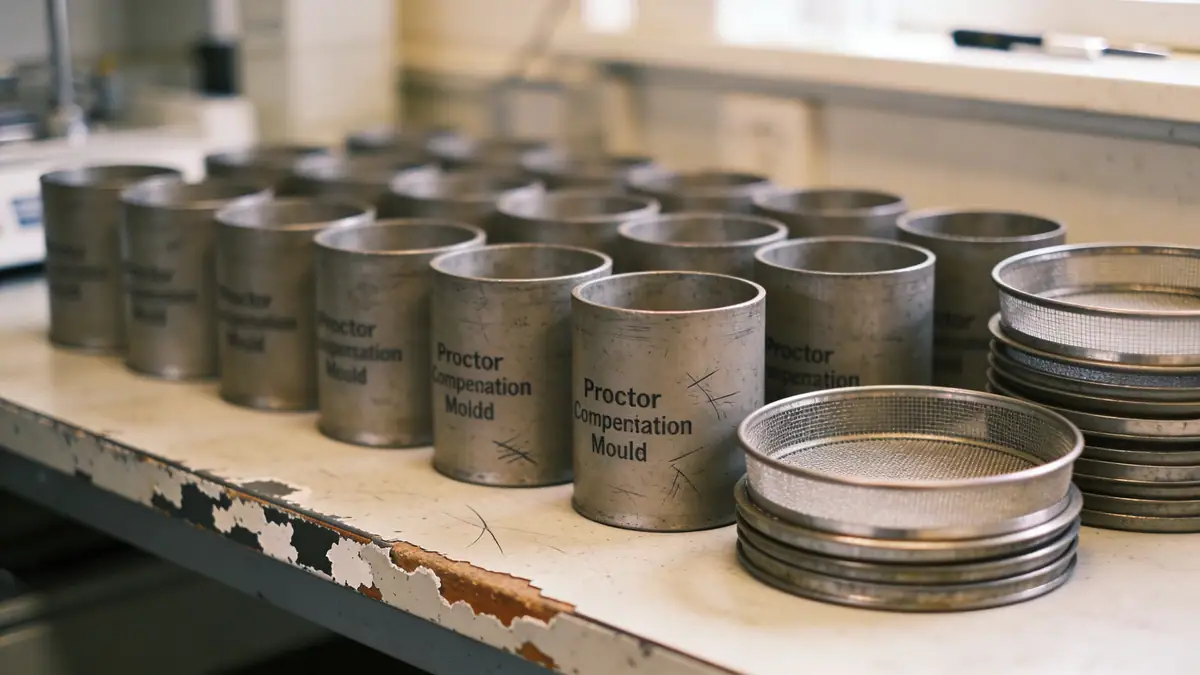
Our methodology for geotechnical engineering in Modesto begins with a thorough review of project plans and subsurface conditions. We perform spt boring to retrieve soil samples at 1.5-meter intervals per ASTM D1586, reaching depths of 15 to 30 meters depending on structural loads. Samples undergo classification, moisture content, and strength testing in our soil mechanics laboratory. For seismic evaluations, we conduct shear wave velocity measurements and liquefaction potential analyses using CPT data. Our reports include bearing capacity, settlement estimates, and lateral earth pressures, all calibrated to Modesto's specific soil profiles and regulatory framework.
Reference Technical Parameters
| Parameter | Reference Value |
|---|---|
| Predominant soil type | Alluvial silty sands and clays |
| Maximum seismic acceleration (PGA) | 0.50g (Site Class D) |
| Typical groundwater level | 3–6 m below grade |
| Bedrock depth | >30 m (deep alluvium) |
| Typical N60 range | 5–30 blows/ft |
Local Considerations — Modesto
Five key geotechnical considerations in Modesto: (1) Alluvial soils from the Tuolumne River create variable bearing capacities, with loose sands requiring deep foundations. (2) Shallow groundwater (3–6 m) necessitates dewatering and waterproofing designs. (3) Seismic Site Class D dominates, with PGA up to 0.50g per ASCE 7-16, demanding liquefaction and lateral spread analyses. (4) Downtown infill projects often encounter undocumented fills and buried utilities, requiring careful test pits. (5) Agricultural land conversion requires removal of organic topsoils and compaction verification. Our team applies these insights to every project, drawing on experience from similar Central Valley conditions. For broader regional context, see our geotechnical engineering services in Los Angeles.
Request a Quote
Our team reviews your project and issues an initial report at no cost.
Or write us directly at [email protected]
Services in Modesto
Applicable Standards
- ASTM D1586 (Standard Penetration Test)
- ASCE 7-16 (Minimum Design Loads and Associated Criteria for Buildings and Other Structures)
- California Building Code (CBC) 2022
- Caltrans Seismic Design Criteria
Frequently Asked Questions
What are the typical soil conditions in Modesto?
Modesto's soils are predominantly alluvial deposits of silty sands, clays, and gravels from the Tuolumne River. Topsoils are often agricultural, underlain by variable layers of medium-dense sands and stiff clays. Groundwater is shallow, typically 3–6 meters below grade.
What seismic design standards apply in Modesto?
Modesto is in Seismic Zone 4 under the California Building Code, with a mapped PGA of 0.50g for Site Class D. ASCE 7-16 and CBC 2022 require site-specific response spectra and liquefaction evaluation for most structures.
Are geotechnical investigations mandatory for residential projects in Modesto?
While not always required for single-family homes on simple lots, the City of Modesto and most lenders recommend a geotechnical report for new construction. For multi-family or commercial projects, a site investigation is mandatory per CBC 2022.