Methodology
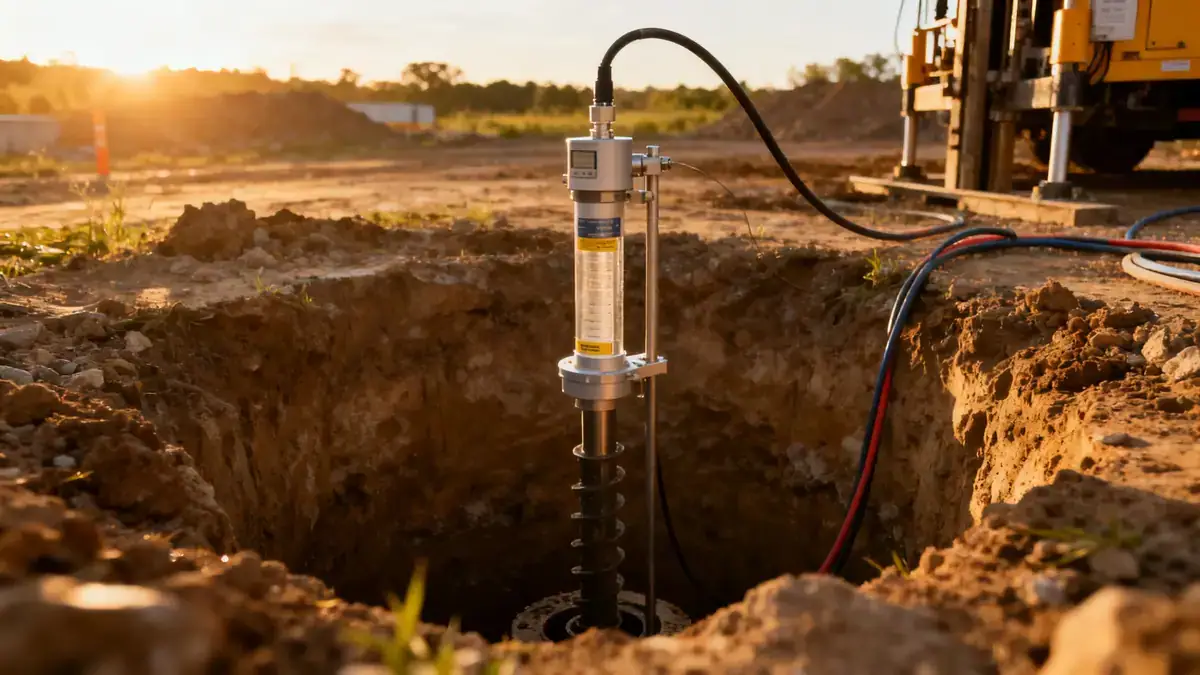
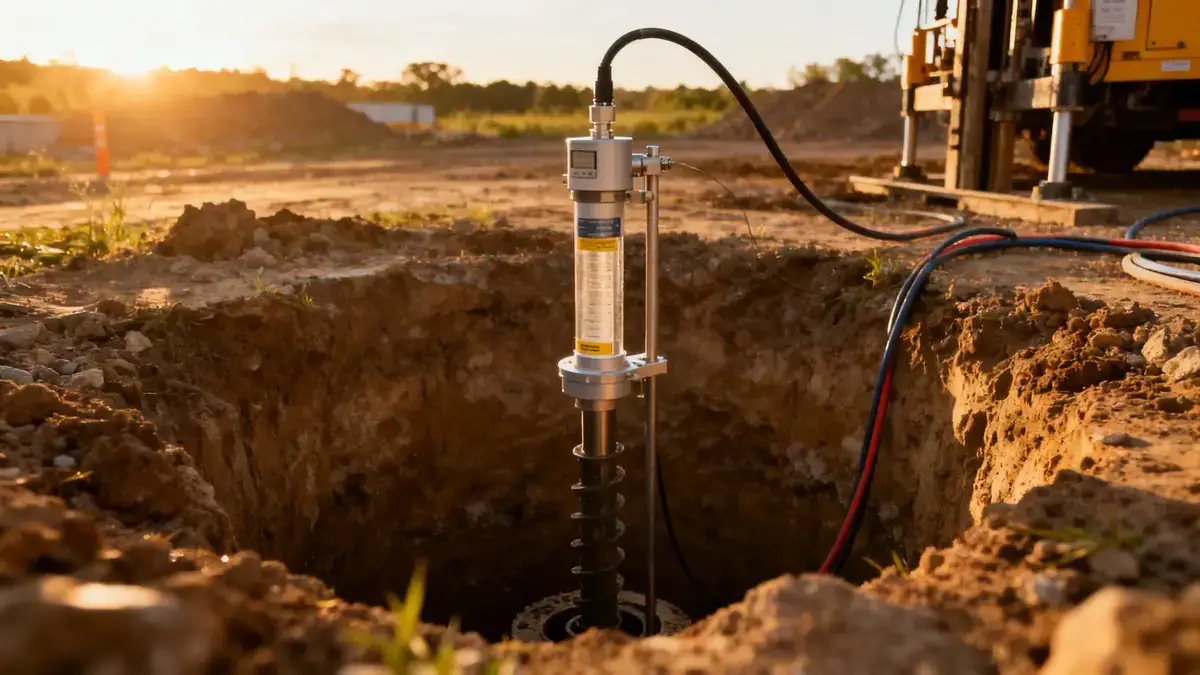
Our methodology for geotechnical engineering in Orange California begins with a desk study of regional geology and seismic history, followed by a field investigation program. We perform spt boring at multiple locations to characterize soil strata and groundwater conditions, with sampling intervals per ASTM D1586. Advanced laboratory testing, including consolidation and direct shear, provides parameters for settlement and bearing capacity analysis. All data are modeled using limit equilibrium and finite element methods to produce clear recommendations tailored to Orange California's alluvial soils and seismic design categories.
Reference Technical Parameters
| Parameter | Reference Value |
|---|---|
| Predominant soil type | Alluvial sands, silts, and clays (Holocene to Pleistocene) |
| Maximum seismic acceleration (PGA) | 0.4g to 0.6g (ASCE 7-16, Site Class D) |
| Typical groundwater level | 3 to 8 meters below ground surface |
| Bedrock depth | >30 meters (deep sedimentary basin) |
| Typical N60 range | 4 to 30 blows/0.3m (loose to medium dense sands) |
Local Considerations — Orange California
Orange California sits atop the deep Los Angeles Basin, where Holocene alluvium and older Pleistocene deposits create variable soil conditions. Near the Santa Ana River, loose sands and silts with shallow groundwater dominate, while elevated areas feature stiffer clays and ancient terrace deposits. Seismic hazard is high due to the San Andreas and Newport-Inglewood fault zones, requiring site-specific response analysis per ASCE 7. Our team adapts investigations to neighborhood contrasts—downtown infill projects often face liquefaction concerns, whereas hillside developments demand slope stability assessments. For regional context, our geotechnical engineering en Los Angeles team coordinates with Orange California assignments to ensure consistency across the basin.
Request a Quote
Our team reviews your project and issues an initial report at no cost.
Or write us directly at [email protected]
Services in Orange California
Applicable Standards
- ASTM D1586 (Standard Penetration Test)
- ASCE 7-16 (Minimum Design Loads and Associated Criteria for Buildings and Other Structures)
- California Building Code (CBC) 2022, Chapter 18 (Soils and Foundations)
- ASTM D2487 (Classification of Soils for Engineering Purposes)
- City of Orange Municipal Code (Grading and Excavation)
Frequently Asked Questions
What soil types are commonly found in Orange California?
Orange California's subsurface is dominated by alluvial deposits from the Santa Ana River and older terrace sediments. Typical profiles include interbedded sands, silts, and clays, with occasional gravel layers. Deeper strata may contain stiff Pleistocene clays. Understanding this variability is essential for foundation design and seismic site classification.
How does the seismic code affect geotechnical studies in Orange California?
Orange California lies in a high seismic zone (PGA up to 0.6g per ASCE 7). Geotechnical reports must address liquefaction potential, lateral spreading, and site amplification. The California Building Code mandates site-specific response spectra for certain structures, requiring shear wave velocity measurements or equivalent methods.
Are geotechnical investigations mandatory for construction in Orange California?
Yes, for most new buildings and significant additions. The California Building Code requires a geotechnical investigation to characterize soil conditions, groundwater, and seismic hazards. Local ordinances in Orange California may also require special studies for hillside developments or areas with known liquefaction susceptibility.