Methodology
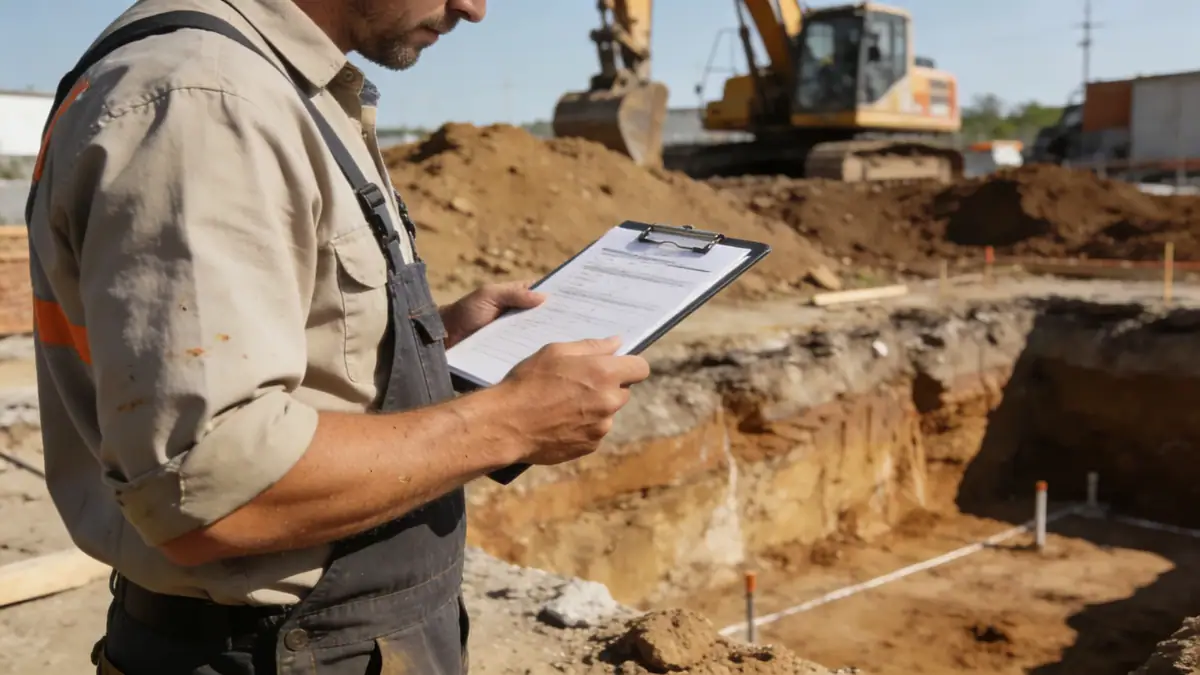
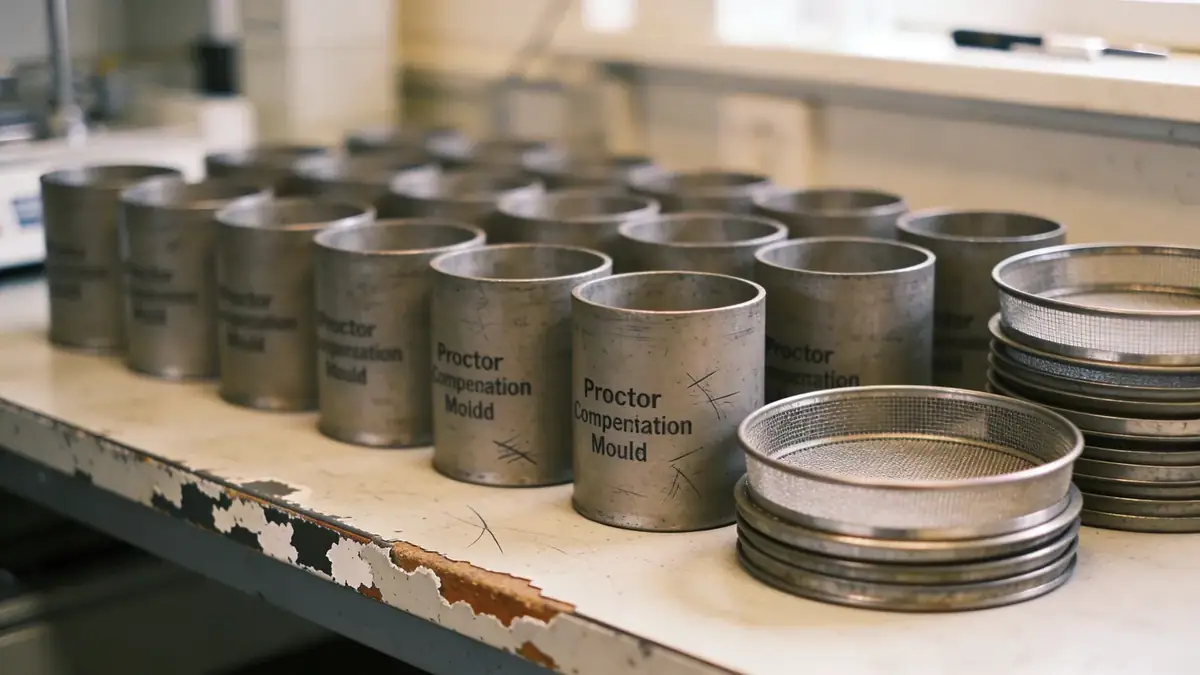
Our methodology for geotechnical engineering in Santa Ana begins with a comprehensive review of existing geological data and historical site conditions. We conduct subsurface investigations using methods such as spt boring in accordance with ASTM D1586, supplemented by laboratory testing on recovered samples. Our approach includes continuous monitoring of groundwater levels and in-situ testing to characterize soil behavior under seismic loading. We apply analytical models calibrated to local conditions, including liquefaction potential assessments and settlement analyses, to develop foundation recommendations that meet both project requirements and local building codes. This systematic process ensures that our clients receive robust and defensible geotechnical solutions.
Reference Technical Parameters
| Parameter | Reference Value |
|---|---|
| Predominant soil type | Silty sand and clay with gravel layers |
| Maximum seismic acceleration (PGA) | 0.4g (Site Class D per ASCE 7) |
| Typical groundwater level | 3 to 6 meters below ground surface |
| Bedrock depth | Greater than 30 meters |
| Typical N60 range | 5 to 25 blows per 0.3 m |
Local Considerations — Santa Ana
Santa Ana's subsurface consists of deep alluvial deposits from the Santa Ana River, with interbedded sands, silts, and clays. Shallow groundwater is common, requiring dewatering considerations for excavations. The region is seismically active, with design accelerations up to 0.4g per ASCE 7, and liquefaction potential exists in loose saturated sands. Variations between older, denser deposits near the Coyote Hills and younger, softer soils near the river demand site-specific investigations. Typical projects include multi-story commercial buildings and residential developments that rely on shallow foundations or deep foundations where bearing capacity is insufficient. Our team collaborates with local authorities to ensure compliance with Santa Ana building codes. For broader expertise, we also support projects from our geotechnical engineering services in Los Angeles.
Request a Quote
Our team reviews your project and issues an initial report at no cost.
Or write us directly at [email protected]
Services in Santa Ana
Applicable Standards
- ASTM D1586
- ASCE 7
- California Building Code (CBC)
- Santa Ana Municipal Code
Frequently Asked Questions
What are the typical soil conditions found in Santa Ana?
Santa Ana's soils are predominantly alluvial deposits consisting of silty sands, clays, and gravels. Groundwater is often shallow, between 3 to 6 meters deep. Soil density varies from loose to medium dense, with N60 values typically ranging from 5 to 25 blows per 0.3 meter.
How does seismic activity affect geotechnical engineering in Santa Ana?
Santa Ana is in a high seismic zone with a maximum considered earthquake acceleration of 0.4g per ASCE 7. This requires evaluation of liquefaction potential, site amplification, and lateral spreading. Foundation designs must account for these hazards to ensure structural safety.
Are geotechnical studies mandatory for construction in Santa Ana?
Yes, the California Building Code and Santa Ana Municipal Code require geotechnical investigations for most new construction and significant renovations. The study must address soil bearing capacity, settlement, and seismic hazards. Our team ensures compliance with all local regulations.