Methodology
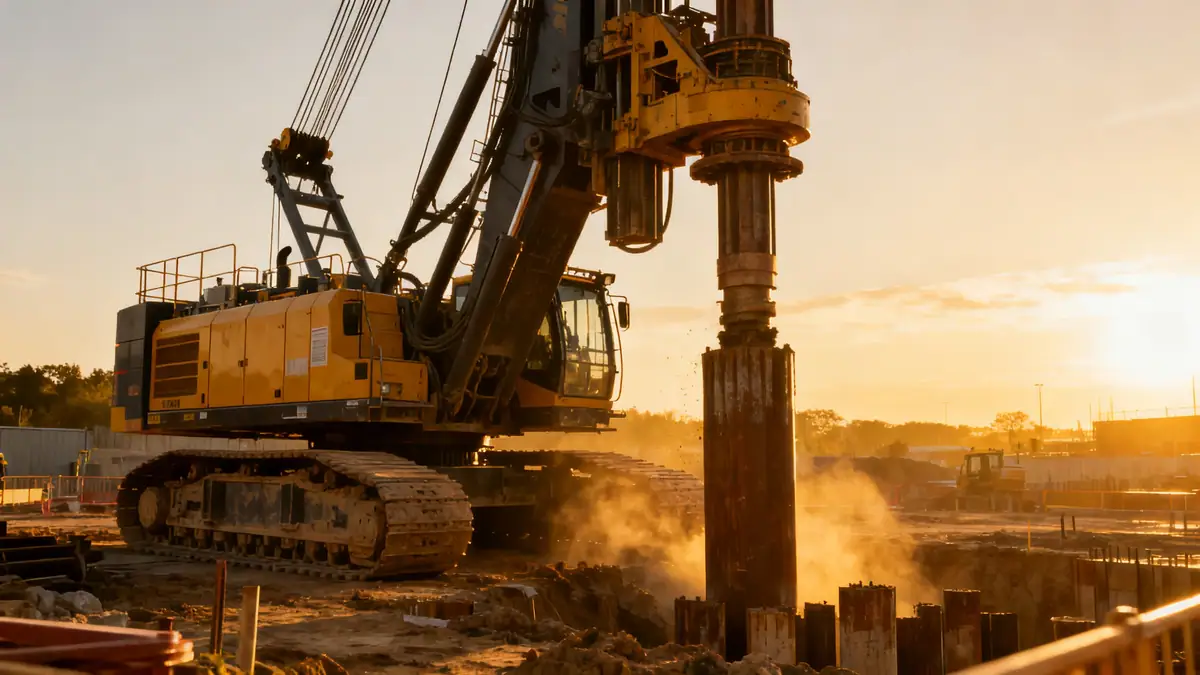
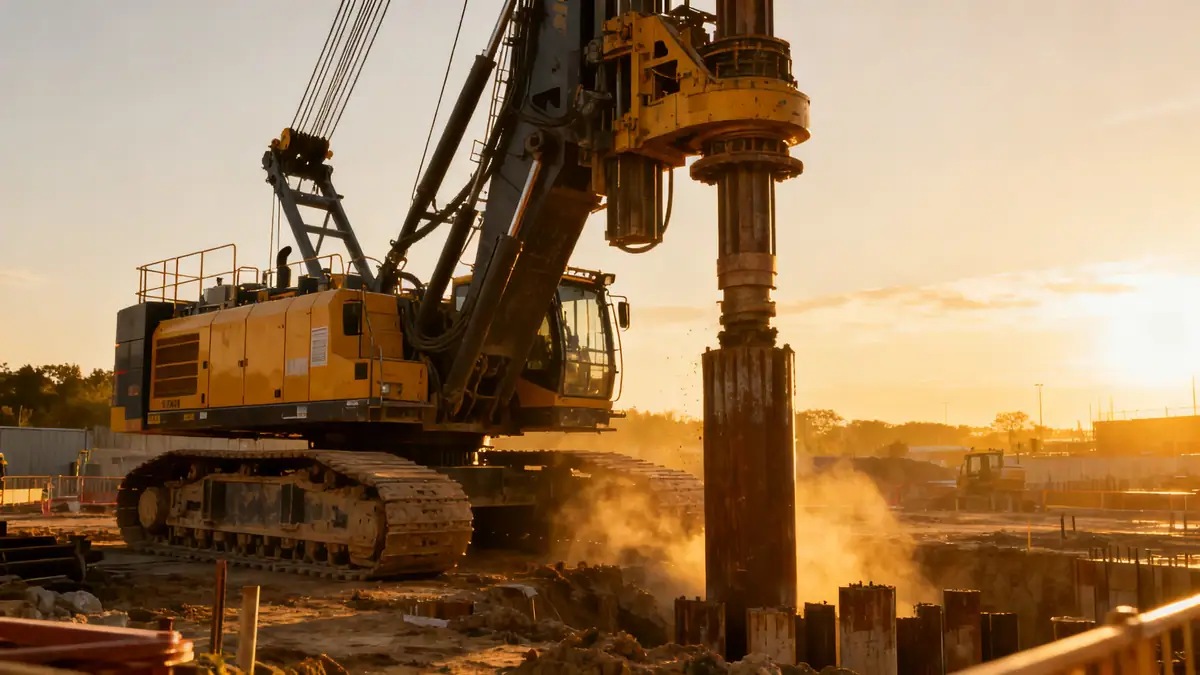
Our methodology for geotechnical engineering in Oceanside begins with a site reconnaissance and review of existing geological maps. We then conduct subsurface investigations using spt boring with standard penetration tests (ASTM D1586) at 1.5 m intervals to characterize soil layers and obtain N-values. Soil samples are transported to our soil mechanics laboratory for classification, strength, and consolidation testing. Data is analyzed using site-specific seismic parameters per ASCE 7-22 to develop design recommendations for foundations, retaining walls, and slope stability.
Reference Technical Parameters
| Parameter | Reference Value |
|---|---|
| Predominant soil type | Silty sands (SM) and clayey sands (SC) |
| Peak ground acceleration (PGA) | 0.4g (ASCE 7 Seismic Zone 4) |
| Typical groundwater depth | 3 to 6 meters below grade |
| Bedrock depth | 15 to 30 meters (weathered bedrock) |
| Typical N60 range (SPT) | 10 to 30 blows/0.3 m in granular layers |
Local Considerations — Oceanside
Oceanside's coastal geology features alluvial and marine terrace deposits with variable sand and clay content. Liquefaction potential is moderate in loose saturated sands during seismic events, requiring site-specific evaluation per ASCE 7. Our slope stability analyses address bluff retreat along the coastline and cut slopes for hillside developments. We also assess corrosion potential due to saline groundwater and recommend appropriate foundation types, such as deep piles or mat foundations, based on soil conditions.
Request a Quote
Our team reviews your project and issues an initial report at no cost.
Or write us directly at [email protected]
Services in Oceanside
Applicable Standards
- ASTM D1586 (Standard Test Method for Standard Penetration Test and Split-Barrel Sampling of Soils)
- ASCE 7-22 (Minimum Design Loads and Associated Criteria for Buildings and Other Structures)
- California Building Code (CBC) 2022
- City of Oceanside Municipal Code – Grading and Excavation
Frequently Asked Questions
What are the typical soil conditions in Oceanside?
Oceanside soils are predominantly silty sands (SM) and clayey sands (SC) from Quaternary alluvium and marine terraces. Groundwater is typically encountered at 3–6 meters depth. Bedrock consists of weathered Eocene formations at 15–30 meters.
Is a geotechnical study required for building permits in Oceanside?
Yes, the City of Oceanside requires a geotechnical investigation for most new construction and significant additions, per the California Building Code. The report must address seismic design, soil bearing capacity, and liquefaction potential.
How does seismic hazard affect geotechnical design in Oceanside?
Oceanside is in Seismic Zone 4 (PGA 0.4g). Design must consider liquefaction in loose sands, slope instability in coastal bluffs, and lateral spreading. Site-specific response spectra are required per ASCE 7.