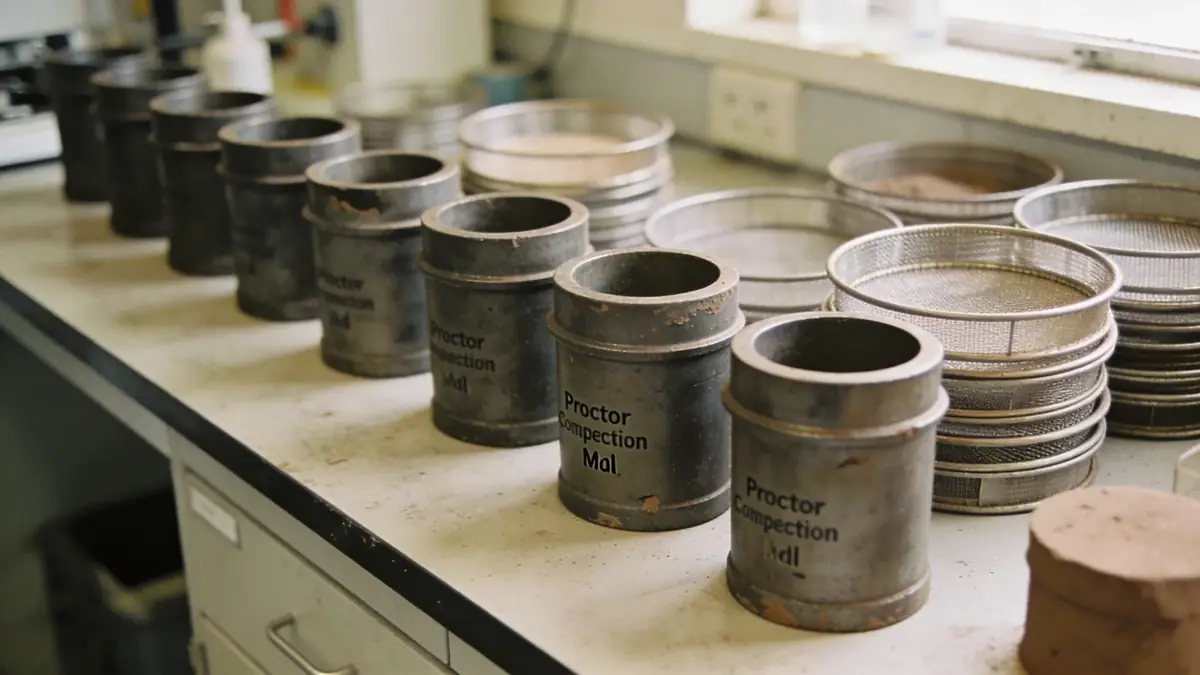
Methodology
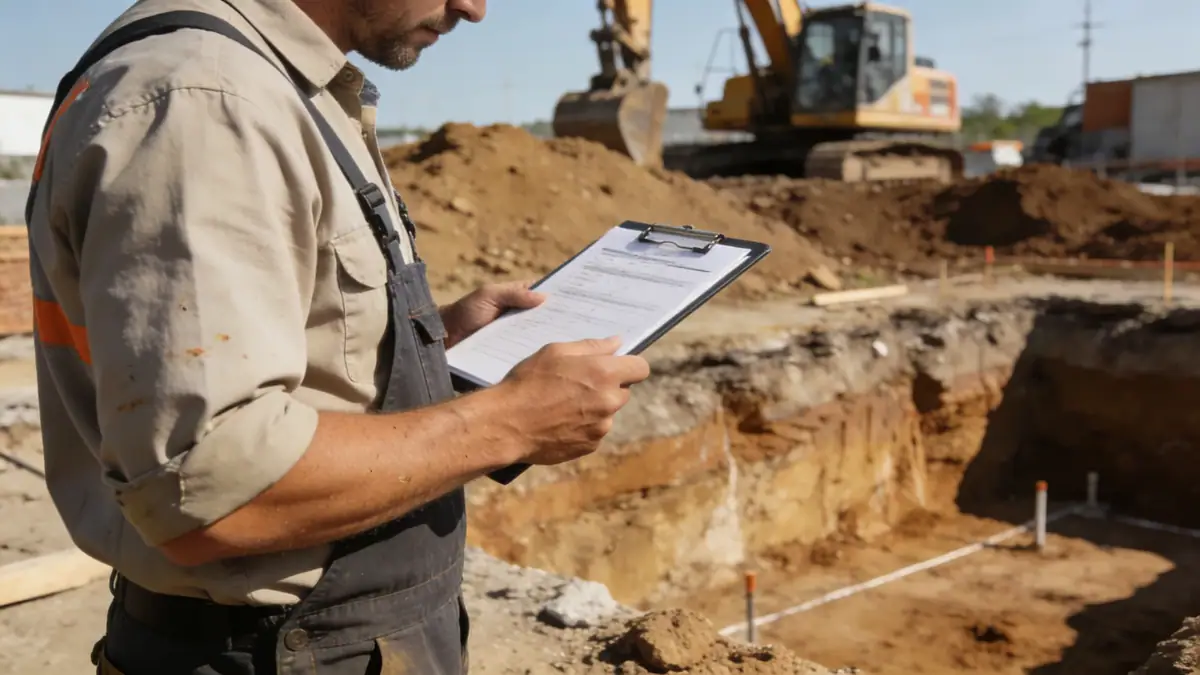
Our approach to geotechnical engineering in San Bernardino integrates field investigations, including spt boring per ASTM D1586, and advanced laboratory testing. We characterize subsurface conditions through boreholes, soil sampling, and in-situ tests, with typical boring depths of 10–20 m for residential projects and up to 30 m for commercial structures. This data informs foundation recommendations, slope stability analyses, and seismic design parameters, ensuring compliance with local codes.
Reference Technical Parameters
| Parameter | Reference Value |
|---|---|
| Predominant soil type | Alluvial sands and silts with gravel layers |
| Maximum seismic acceleration (PGA) | 0.5g (per ASCE 7-16, Site Class D) |
| Typical groundwater level | 3–8 m below ground surface |
| Bedrock depth | Variable, 15–30 m in valley areas |
| Typical N60 range | 5–30 blows/0.3 m |
Local Considerations — San Bernardino
San Bernardino's geology is dominated by alluvial fan deposits from the San Bernardino Mountains, with interbedded sands, silts, and gravels. Groundwater is shallow in some areas (3–8 m), requiring dewatering considerations for excavations. Seismic hazards are significant due to the San Andreas and San Jacinto faults; site-specific response analyses per ASCE 7 are critical. Older neighborhoods may have undocumented fills, while newer developments require compaction testing. Our team applies local experience to mitigate risks, coordinating with soil mechanics laboratory services for accurate soil classification and strength parameters.
Request a Quote
Our team reviews your project and issues an initial report at no cost.
Or write us directly at [email protected]
Services in San Bernardino
Applicable Standards
- ASTM D1586 (Standard Penetration Test)
- ASCE 7-16 (Minimum Design Loads for Buildings)
- California Building Code (CBC) 2022
- ASTM D2487 (Unified Soil Classification System)
Frequently Asked Questions
What soil types are common in San Bernardino?
San Bernardino typically has alluvial sands, silts, and gravels from mountain runoff. Clay layers are less common but may occur in low-lying areas. Understanding the soil profile is crucial for foundation design and seismic hazard assessment.
Is seismic analysis required for projects in San Bernardino?
Yes, due to proximity to active faults like the San Andreas and San Jacinto, site-specific seismic hazard analyses per ASCE 7 are often required. These include determining peak ground acceleration (PGA) and site class to design earthquake-resistant structures.
When is a geotechnical investigation mandatory in San Bernardino?
For most new construction, additions, and significant renovations, the California Building Code mandates a geotechnical investigation. Local jurisdictions may require it for hillside developments, areas with known soil issues, or high-seismic-risk zones.