
Methodology
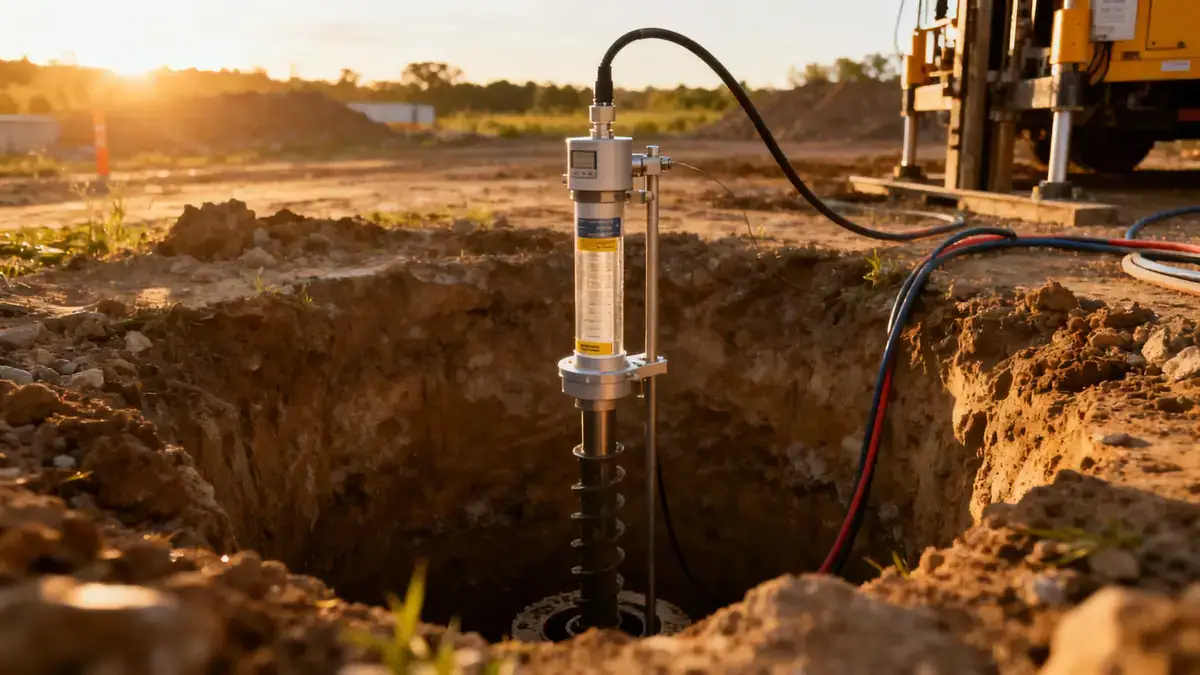
Our methodology for geotechnical engineering in Elk Grove begins with a comprehensive review of existing geologic maps and regional seismic data. We then perform subsurface investigations using standard penetration tests (SPT) in accordance with ASTM D1586, typically advancing borings to depths of 10–15 meters for residential projects and up to 30 meters for commercial structures. Soil samples are collected at 1.5-meter intervals and analyzed in our soil mechanics laboratory for classification, strength, and consolidation properties. Groundwater levels are monitored during drilling and through standpipe piezometers. Our integrated approach ensures accurate characterization of subsurface conditions, enabling safe and economical foundation design.
Reference Technical Parameters
| Parameter | Reference Value |
|---|---|
| Predominant soil type | Silty clay and clayey silt (ML/CL) with sand lenses |
| Maximum seismic acceleration (PGA) | 0.4g (ASCE 7, Site Class D) |
| Typical groundwater level | 2–5 meters below ground surface |
| Bedrock depth | Greater than 30 meters |
| Typical N60 range (SPT) | 5–25 blows per foot |
Local Considerations — Elk Grove
Elk Grove's geology is dominated by alluvial deposits from the Sacramento River, consisting of interbedded silts, clays, and sands with variable compaction. The shallow groundwater table (2–5 m) necessitates dewatering considerations for excavations and below-grade structures. Seismic hazard is significant due to proximity to the San Andreas and other fault systems; ASCE 7 Site Class D is common, with peak ground accelerations up to 0.4g. Older neighborhoods may have undocumented fill or organic soils, requiring careful investigation. Typical projects include residential subdivisions and commercial plazas, often with slab-on-grade foundations. Our team leverages extensive local experience, complemented by our spt boring services, to address these challenges. For broader regional context, see geotechnical engineering in Los Angeles.
Request a Quote
Our team reviews your project and issues an initial report at no cost.
Or write us directly at [email protected]
Services in Elk Grove
Applicable Standards
- ASTM D1586
- ASCE 7
- California Building Code (CBC)
- International Building Code (IBC)
Frequently Asked Questions
What are the typical soil conditions in Elk Grove?
Elk Grove soils are predominantly alluvial silty clays and clayey silts with sand lenses. They are generally stiff to very stiff but can be compressible in some areas. Groundwater is shallow, typically 2–5 meters deep. These conditions require careful evaluation for foundation design.
How does seismic code affect geotechnical engineering in Elk Grove?
Elk Grove is in a high seismic zone with PGA up to 0.4g per ASCE 7. Site Class D (stiff soil) is common. Geotechnical reports must address liquefaction potential, lateral spreading, and seismic settlement. Foundation designs often require special detailing per the California Building Code.
Are geotechnical studies mandatory for construction in Elk Grove?
Yes, most building permits require a geotechnical investigation per the California Building Code. For residential projects, a preliminary soil report is typically sufficient, while commercial or multi-story structures demand a comprehensive subsurface exploration and analysis.