
Methodology
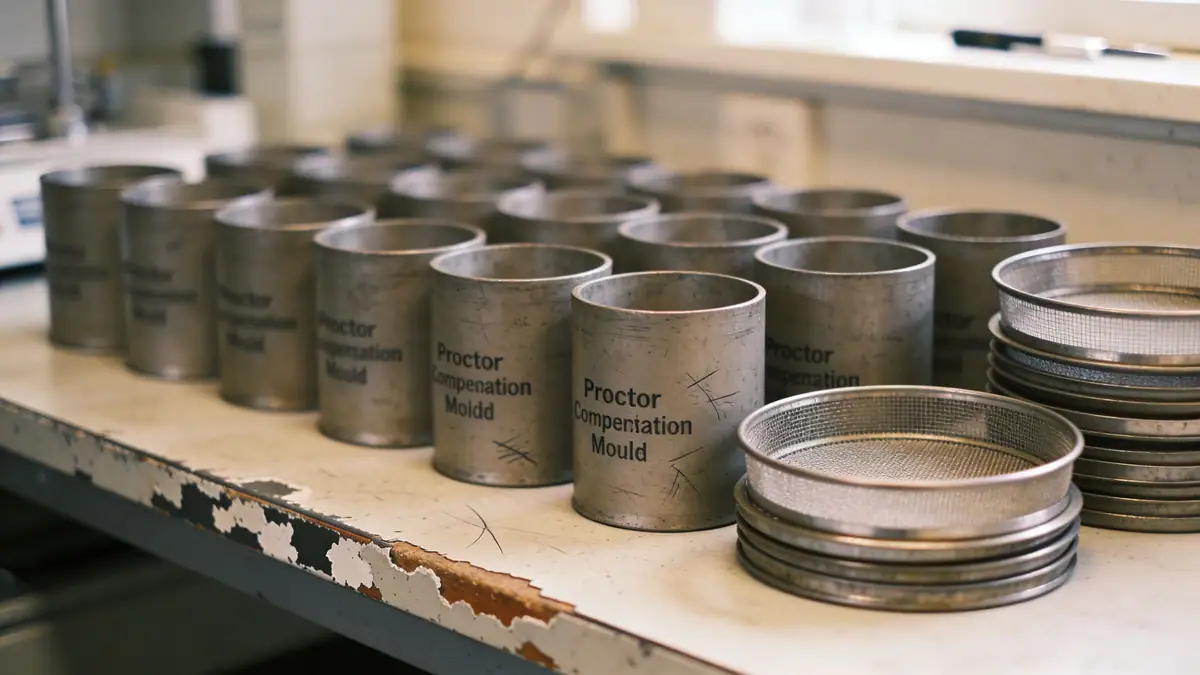
Our methodology for geotechnical engineering in Riverside follows a systematic approach beginning with a review of existing geologic maps and borehole data. Field investigations include spt boring at regular intervals per ASTM D1586, supplemented by cone penetration testing and test pits where needed. Soil samples are analyzed in our soil mechanics laboratory for index properties, strength, and consolidation characteristics. We then develop site-specific geotechnical models to guide foundation design, slope stability assessments, and seismic site classification. All work adheres to applicable building codes and industry standards.
Reference Technical Parameters
| Parameter | Reference Value |
|---|---|
| Predominant soil type | Alluvial sands, silts, and gravels with clay lenses |
| Maximum seismic acceleration (PGA) | 0.4g to 0.6g (Site Class D, per ASCE 7-16) |
| Typical groundwater level | 10 to 25 feet below grade, varies seasonally |
| Bedrock depth | Greater than 100 feet in most areas |
| Typical N60 range | 10 to 50 blows per foot (sands/gravels) |
Local Considerations — Riverside
Riverside's geology is dominated by Quaternary alluvium from the Santa Ana River and its tributaries, with localized deposits of older fan sediments. The area is seismically active due to nearby faults such as the San Jacinto and Elsinore fault zones, requiring site-specific seismic hazard analysis per ASCE 7. Groundwater levels can be shallow near the river corridor, impacting excavation and foundation design. Older neighborhoods may have undocumented fill or expansive soils. For a broader regional perspective, our geotechnical engineering in Los Angeles team collaborates on complex projects spanning Southern California.
Request a Quote
Our team reviews your project and issues an initial report at no cost.
Or write us directly at [email protected]
Services in Riverside
Applicable Standards
- ASTM D1586 (Standard Test Method for Standard Penetration Test)
- ASCE 7-16 (Minimum Design Loads and Associated Criteria for Buildings)
- International Building Code (IBC)
- California Building Standards Code (Title 24)
Frequently Asked Questions
What soil types are commonly encountered in Riverside?
Riverside's subsurface typically consists of alluvial sands, silts, gravels, and clay lenses deposited by the Santa Ana River. These materials can vary laterally and vertically, making site-specific exploration essential for accurate foundation design.
Are geotechnical studies mandatory for construction in Riverside?
Yes, most building permits in Riverside require a geotechnical investigation per the California Building Code. The study must address seismic site classification, soil bearing capacity, and recommendations for foundations, slabs, and earthwork.
How does seismic activity affect geotechnical design in Riverside?
Riverside is in a high seismic zone due to nearby active faults. Geotechnical engineers must evaluate liquefaction potential, slope stability, and site amplification using ASCE 7 procedures. This often results in deeper foundations or ground improvement measures.