
Methodology
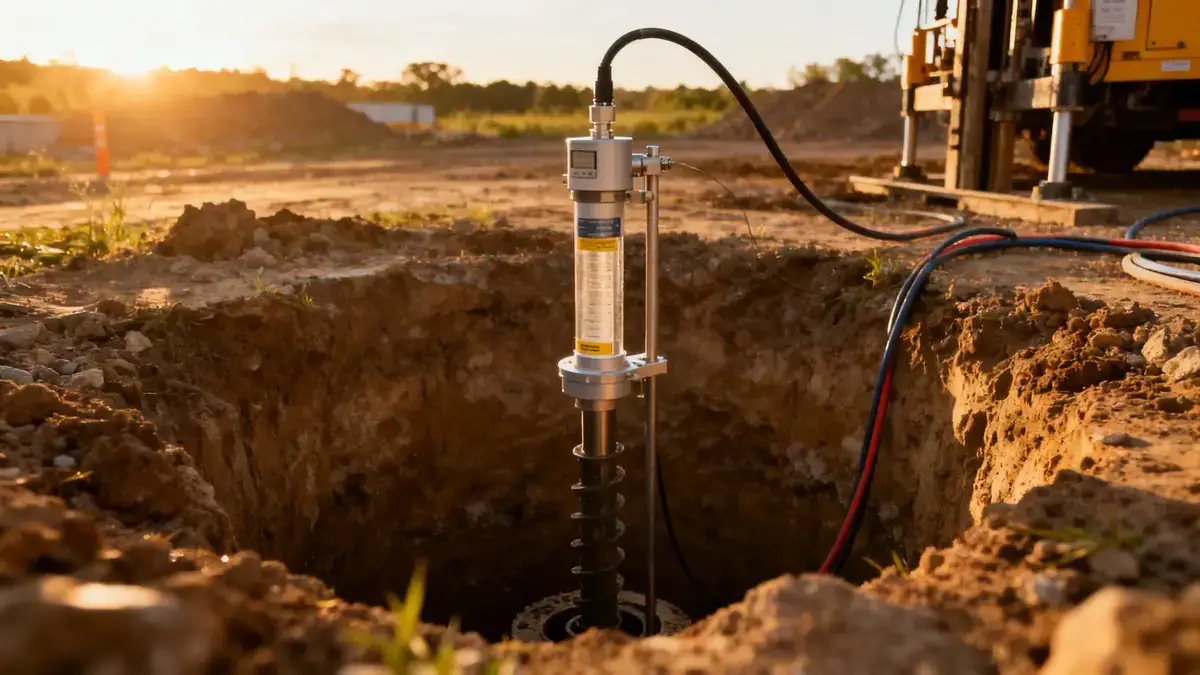
Our approach to geotechnical engineering in Roseville California integrates field investigations and laboratory testing to characterize subsurface conditions. We typically perform spt boring at depths of 8–15 meters for residential sites, following ASTM D1586 to obtain N-values and soil samples. These data are complemented by soil classification and strength tests in our laboratory. Our methodology ensures that foundation designs account for the region's alluvial layering and seismic demands, providing clients with actionable recommendations.
Reference Technical Parameters
| Parameter | Reference Value |
|---|---|
| Predominant soil type | Sandy clay and gravelly sand |
| Maximum seismic acceleration (PGA) | 0.3g to 0.4g (ASCE 7) |
| Typical groundwater level | 3 to 6 meters below grade |
| Bedrock depth | 10 to 30 meters (granitic) |
| Typical N60 range | 10 to 40 blows per 0.3 m |
Local Considerations — Roseville California
Roseville lies within the Sacramento Valley, underlain by Quaternary alluvium from the Sierra Nevada foothills. The soil profile typically consists of sandy clays and gravelly sands over weathered granitic bedrock at depth. Seismic considerations are critical due to proximity to active faults; site-specific response analyses are often required. Groundwater levels vary seasonally, affecting excavation stability. Our team leverages local experience to address these conditions, and we coordinate with our geotechnical engineering en Los Angeles office for regional best practices. Typical challenges include expansive soils in certain neighborhoods and liquefaction potential near waterways.
Request a Quote
Our team reviews your project and issues an initial report at no cost.
Or write us directly at [email protected]
Services in Roseville California
Applicable Standards
- ASTM D1586
- ASCE 7
- California Building Code (CBC)
- ASTM D2487
Frequently Asked Questions
What are the typical soil conditions in Roseville for foundation design?
Soils in Roseville generally comprise sandy clays and gravelly sands overlying granitic bedrock at depths of 10–30 meters. Shallow foundations are common, but deep foundations may be needed where loose soils or high groundwater exist.
Is seismic analysis required for projects in Roseville?
Yes, due to the region's moderate to high seismicity. The California Building Code mandates site-specific seismic hazard assessments, including determination of spectral accelerations and soil site class, often per ASCE 7.
Are geotechnical investigations mandatory for residential construction in Roseville?
While not always required by code for single-family homes, many local jurisdictions and lenders recommend them to identify expansive soils, liquefaction potential, and bearing capacity. Our firm frequently advises clients to conduct investigations for risk mitigation.