Methodology
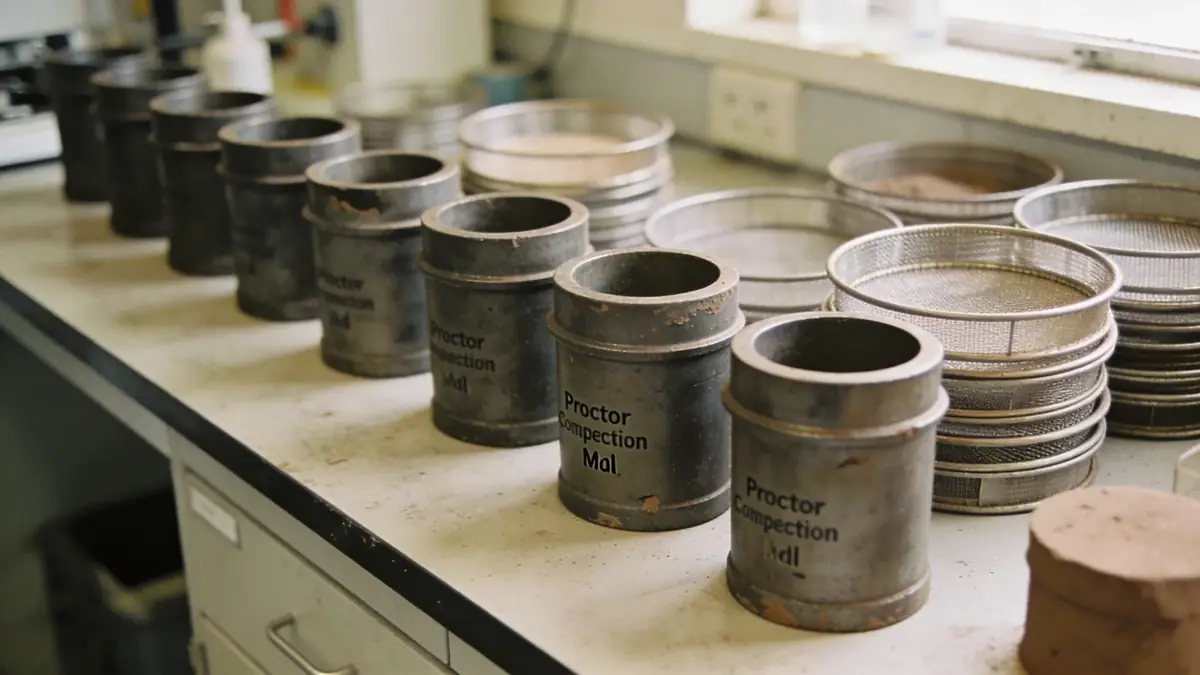
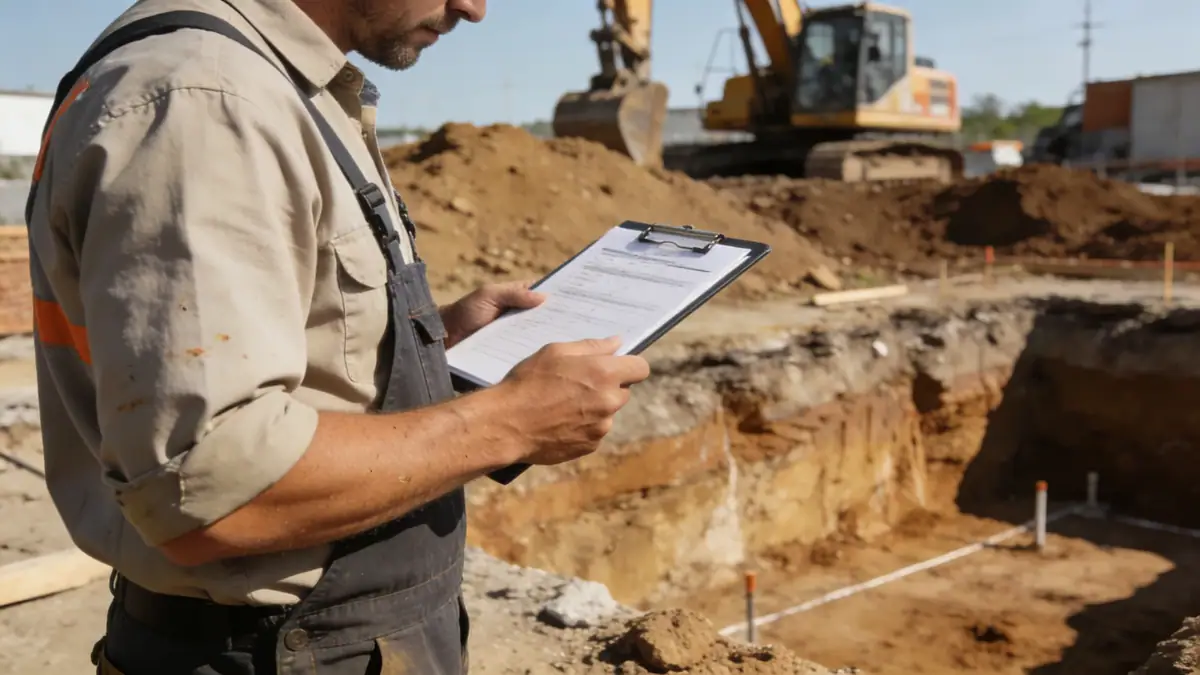
Our approach to geotechnical engineering in Reno begins with a comprehensive review of existing geological maps and historical data. We then conduct field investigations, including spt boring to obtain soil samples and measure N60 values, complemented by laboratory testing to classify materials and determine strength parameters. Our methodology adheres to ASTM D1586 for standard penetration tests and ASTM D2487 for soil classification. We analyze data to develop subsurface profiles and provide foundation recommendations that address settlement, bearing capacity, and seismic site effects. Our reports include clear guidance for contractors and engineers, facilitating informed decision-making.
Reference Technical Parameters
| Parameter | Reference Value |
|---|---|
| Predominant soil type | Alluvial sands, silts, gravels; local clay lenses |
| Maximum seismic acceleration (PGA) | 0.4g (ASCE 7-16, Site Class D) |
| Typical groundwater level | 5–15 m below surface (variable, deeper in west Reno) |
| Bedrock depth | 10–30 m (shallower in foothills, deeper in valley) |
| Typical N60 range | 10–40 blows/0.3 m (sands); 5–20 (silts/clays) |
Local Considerations — Reno
Reno lies within the Basin and Range province, characterized by alluvial fans and lacustrine deposits from ancient Lake Lahontan. The water table fluctuates seasonally, with deeper levels in western alluvial fans and shallower zones near the Truckee River. Seismic hazard is moderate to high due to active faults, including the Mount Rose fault zone. Our team has addressed foundation challenges in downtown Reno's compressible soils, as well as slope stability issues in the Caughlin Ranch area. For more on our regional capabilities, see our team in Los Angeles. We apply lessons from Nevada's seismic history to every project.
Request a Quote
Our team reviews your project and issues an initial report at no cost.
Or write us directly at [email protected]
Services in Reno
Applicable Standards
- ASCE 7-16 (Minimum Design Loads for Buildings)
- IBC 2021 (International Building Code)
- ASTM D1586 (Standard Penetration Test)
- ASTM D2487 (Soil Classification)
- Nevada Revised Statutes Chapter 623 (Engineering Registration)
Frequently Asked Questions
What soil types are most common in Reno?
Reno's soils are predominantly alluvial sands, silts, and gravels derived from the Sierra Nevada. Local clay lenses and lacustrine deposits are present in the valley floor, requiring careful evaluation of compressibility and expansion potential.
How does seismic design apply to geotechnical engineering in Reno?
Reno is in Seismic Zone 3 per the IBC, with mapped PGA values up to 0.4g. Site-specific response spectra are required for essential facilities. Our analyses follow ASCE 7 to determine site class and liquefaction potential.
Are geotechnical studies mandatory for construction in Reno?
Yes, for most commercial and multi-family projects. The City of Reno and Washoe County typically require a geotechnical report for building permits. Even single-family homes benefit from site-specific recommendations to mitigate soil and seismic risks.