Methodology
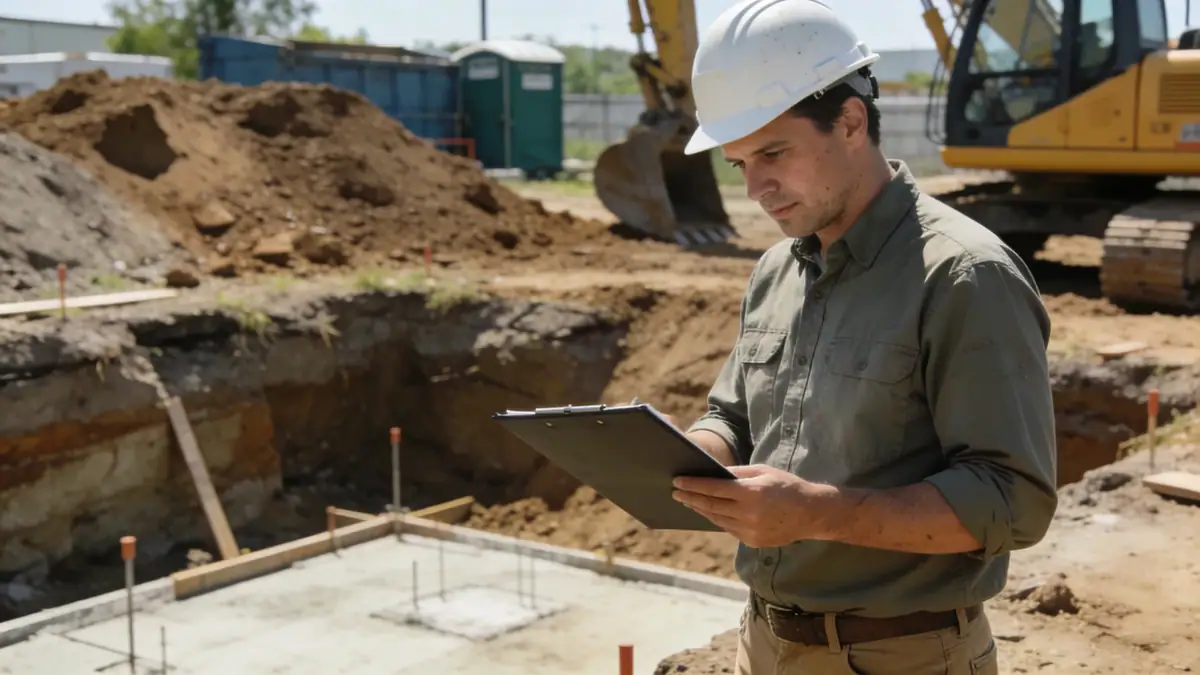
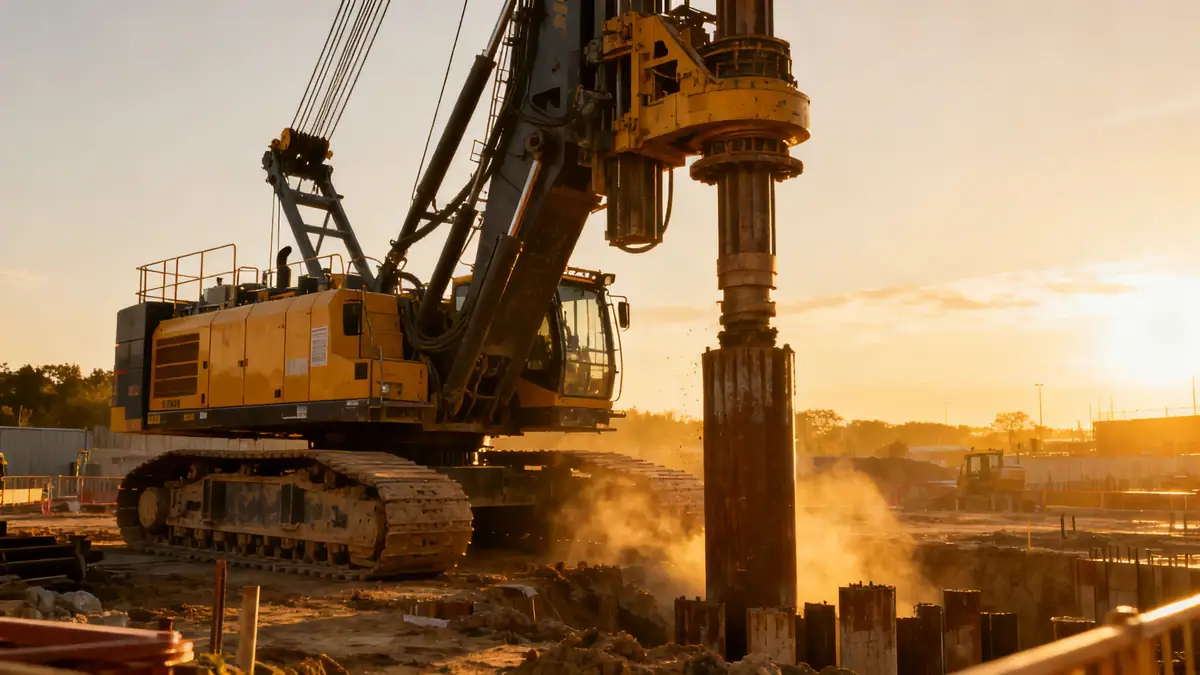
Our approach to geotechnical engineering in Sacramento begins with a thorough review of existing geological maps and historical data. We then conduct field investigations, including spt boring and test pits, to characterize subsurface conditions. Soil samples are analyzed in our laboratory for index properties, strength, and consolidation behavior. Using this data, we develop site-specific geotechnical models that inform foundation design, slope stability, and earthwork recommendations. Our methodology adheres to ASTM standards, such as ASTM D1586 for standard penetration testing, ensuring reliable and reproducible results. By integrating field and laboratory data with local knowledge, we provide actionable insights for every project.
Reference Technical Parameters
| Parameter | Reference Value |
|---|---|
| Predominant soil type | Alluvial sands, silts, and clays (Riverbank and Modesto formations) |
| Maximum seismic acceleration (PGA) | 0.3g to 0.4g (ASCE 7-16 mapped values) |
| Typical groundwater level | 5 to 15 feet below ground surface (varies seasonally) |
| Bedrock depth | Over 100 feet in most of Sacramento Valley |
| Typical N60 range | 10 to 30 blows per foot (alluvial soils) |
Local Considerations — Sacramento
Sacramento's geology is dominated by deep alluvial deposits from the Sacramento and American Rivers, resulting in variable soil profiles with lenses of sand, silt, and clay. Groundwater levels are shallow in many areas, requiring dewatering considerations for excavations. Seismic hazards are significant due to proximity to active faults; our designs incorporate ASCE 7 requirements for site class D or E. In older downtown districts, fill and undocumented soils pose challenges for shallow foundations, while newer subdivisions often encounter expansive clays. We have extensive experience with these conditions, ensuring our recommendations are both practical and compliant. For broader regional expertise, visit our geotechnical engineering in Los Angeles page.
Request a Quote
Our team reviews your project and issues an initial report at no cost.
Or write us directly at [email protected]
Services in Sacramento
Applicable Standards
- ASTM D1586 (Standard Penetration Test)
- ASTM D2487 (Classification of Soils)
- ASCE 7-16 (Minimum Design Loads for Buildings)
- California Building Code (CBC)
- Eurocode 7 (for international projects)
Frequently Asked Questions
What are the typical soil conditions for geotechnical engineering in Sacramento?
Sacramento soils are predominantly alluvial deposits from the Sacramento and American Rivers, consisting of interbedded sands, silts, and clays. These soils can be loose to medium dense, with variable groundwater levels. Our investigations identify specific soil behavior to guide foundation design.
Is a geotechnical study required for new construction in Sacramento?
Yes, the California Building Code typically requires a geotechnical investigation for most new structures, especially in seismic zones. Local jurisdictions may have additional requirements. Our firm provides comprehensive reports that satisfy code and lender requirements.
How does seismic activity affect geotechnical engineering in Sacramento?
Sacramento lies in a region with moderate to high seismic hazard. Our analyses consider peak ground accelerations up to 0.4g, soil liquefaction potential, and site amplification effects. We design foundations and earthworks to withstand these forces, ensuring safety and code compliance.