Methodology
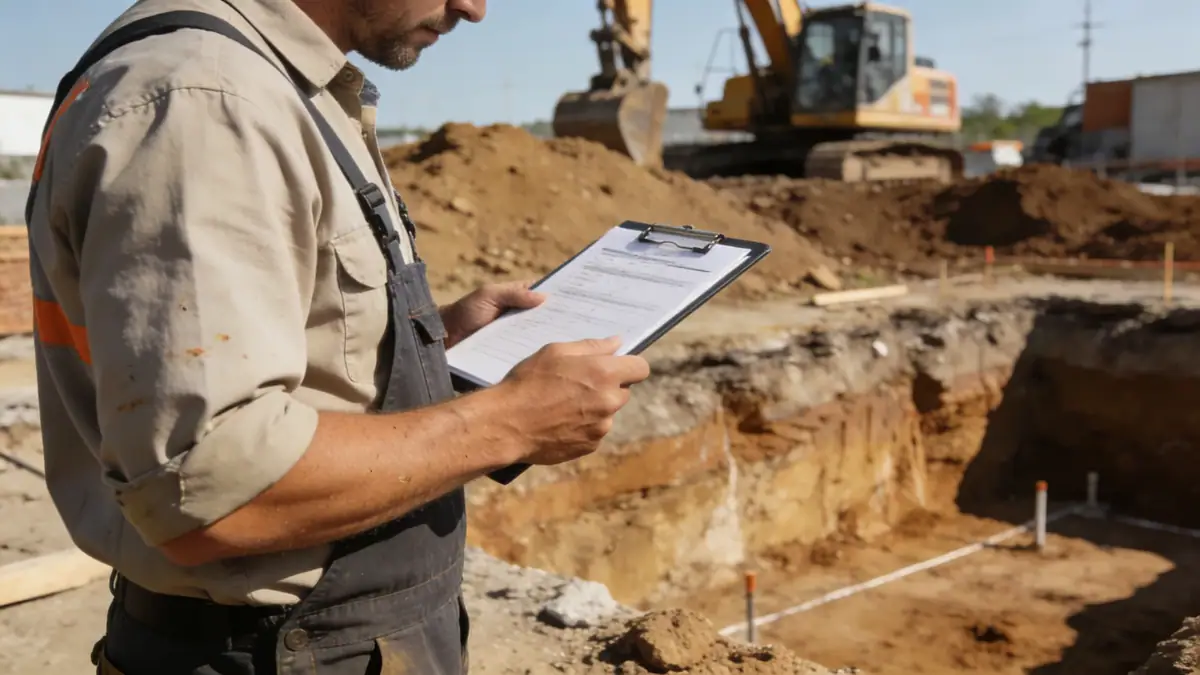
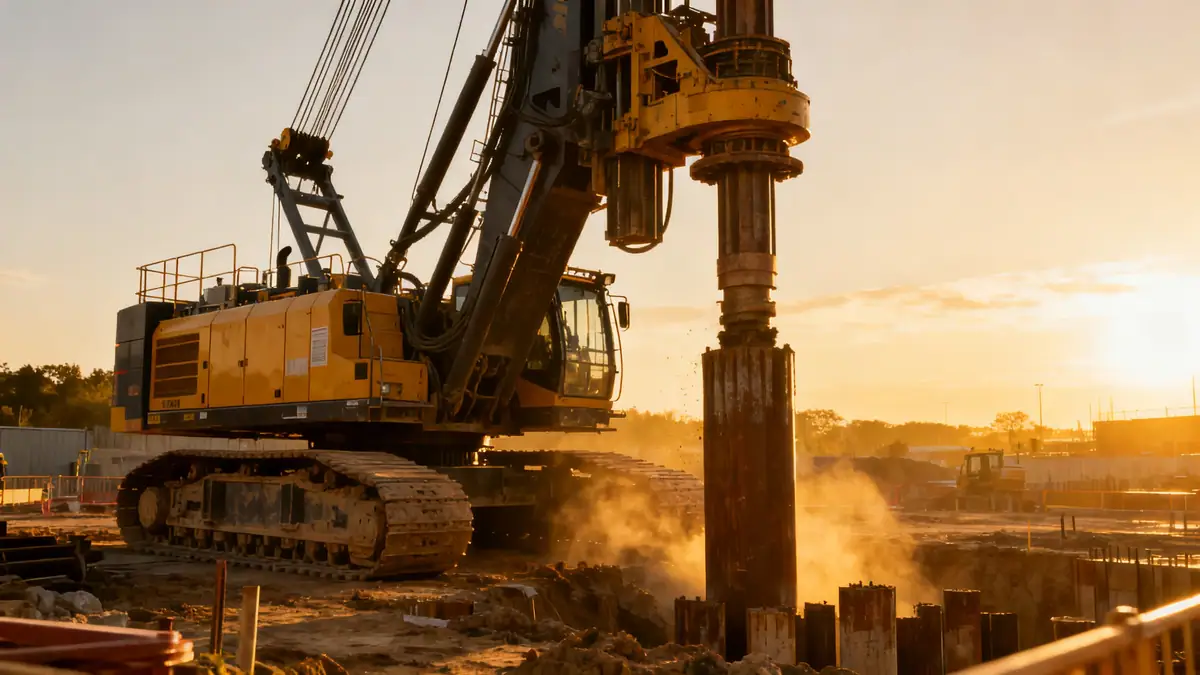
Our methodology for geotechnical engineering in Fontana begins with a comprehensive review of existing geological maps and historical data. We then execute a targeted field investigation program, including spt boring to obtain soil samples and measure penetration resistance. Standard Penetration Tests are performed in accordance with ASTM D1586, with sampling intervals typically every 1.5 meters to capture stratigraphic variability. In addition, we install piezometers to monitor groundwater levels and conduct geophysical surveys where deeper profiling is needed. Laboratory testing on retrieved samples—such as grain size analysis, Atterberg limits, and direct shear tests—provides the parameters necessary for foundation and seismic design. This systematic approach ensures that our recommendations are based on site-specific data rather than generic assumptions.
Reference Technical Parameters
| Parameter | Reference Value |
|---|---|
| Predominant soil type | Alluvial sands and silts with gravel layers |
| Maximum seismic acceleration (PGA) | 0.40 g (ASCE 7-16, Site Class D) |
| Typical groundwater level | 3–9 m below ground surface (variable seasonally) |
| Bedrock depth | >30 m (deep alluvial basin) |
| Typical N60 range | 10–30 blows/ft (sands); 5–15 blows/ft (silts) |
Local Considerations — Fontana
Fontana lies within the eastern Los Angeles Basin, underlain by deep alluvial deposits from the San Gabriel Mountains. These sediments consist of interbedded sands, silts, and gravels, often with cobbles near mountain fronts. Groundwater levels fluctuate seasonally, typically between 3 and 9 meters, requiring careful dewatering considerations for excavations. Seismic hazard is high due to proximity to the San Jacinto and San Andreas faults; the site class is generally D, with a mapped PGA of 0.40 g per ASCE 7. Older neighborhoods may have undocumented fill or shallow foundations, while new developments often demand deep foundations. Our team has extensive experience addressing these conditions, offering soil mechanics laboratory testing to refine design parameters. For regional context, our geotechnical engineering en Los Angeles hub provides broader insights into the basin's geotechnical challenges.
Request a Quote
Our team reviews your project and issues an initial report at no cost.
Or write us directly at [email protected]
Services in Fontana
Applicable Standards
- ASTM D1586 (Standard Penetration Test)
- ASCE 7-16 (Minimum Design Loads for Buildings)
- California Building Code (CBC 2022)
- ASTM D2487 (Unified Soil Classification System)
- ASTM D422 (Particle-Size Analysis)
Frequently Asked Questions
What soil types are commonly found in Fontana?
Fontana's subsurface is dominated by alluvial sands, silts, and gravels deposited by historic stream channels. Cobbles and boulders are occasionally encountered near the foothills. These soils are generally non-expansive but may have variable density and groundwater conditions that affect foundation design.
How does seismic hazard affect geotechnical engineering in Fontana?
Fontana lies in a high seismic zone due to the nearby San Jacinto and San Andreas faults. The California Building Code requires site-specific seismic hazard analysis, including determination of site class and peak ground acceleration (PGA up to 0.4 g). This influences foundation type, liquefaction assessment, and lateral earth pressures.
Are geotechnical investigations mandatory for new construction in Fontana?
Yes, the California Building Code and local ordinances typically require a geotechnical investigation for most new buildings and additions. The investigation must characterize soil conditions, provide recommendations for foundations and slabs, and address seismic hazards such as liquefaction and fault rupture.