Methodology
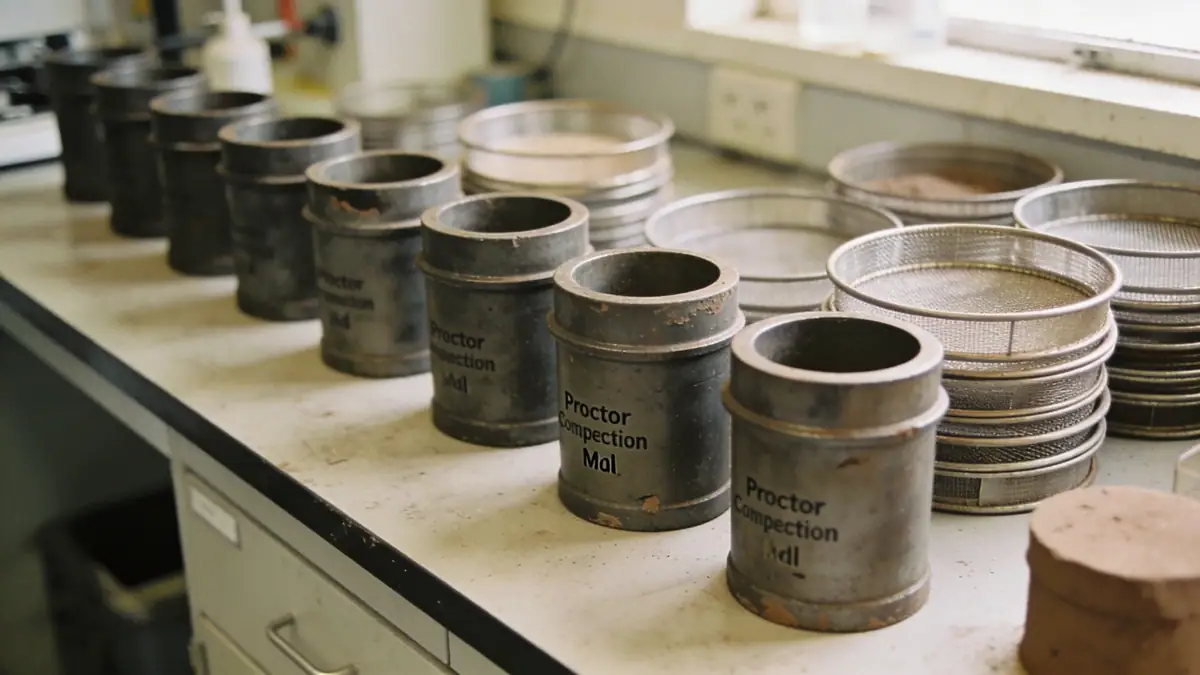
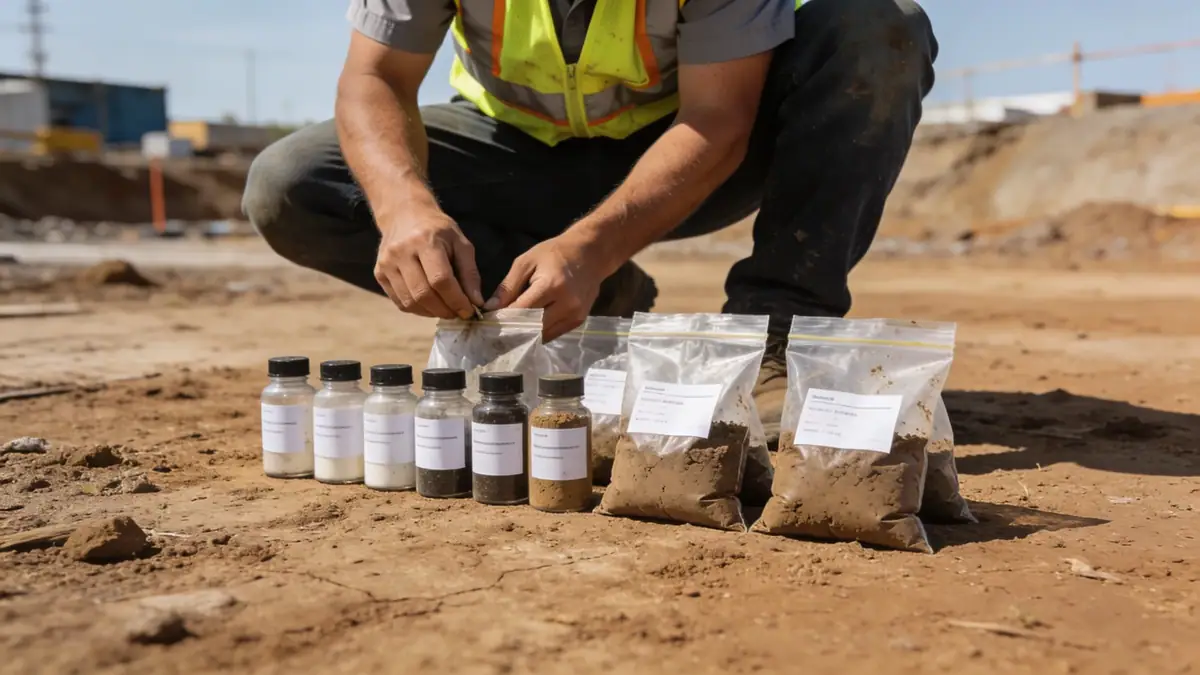
Our geotechnical engineering methodology in Ontario California begins with a comprehensive review of existing geological maps and previous site investigations. We then conduct a field exploration program, typically including spt boring to obtain soil samples and measure in-situ resistance. Standard penetration tests (SPT) are performed at 1.5-meter intervals per ASTM D1586, extending to depths of 10–15 meters for typical residential structures. Soil samples are transported to our laboratory for classification, strength, and consolidation testing. We analyze the data to define subsurface stratigraphy, groundwater conditions, and engineering parameters. This information underpins our recommendations for shallow or deep foundations, seismic site classification, and mitigation of potential hazards such as liquefaction or expansive soils.
Reference Technical Parameters
| Parameter | Reference Value |
|---|---|
| Predominant soil type | Silty sand and clayey gravel (alluvial deposits) |
| Maximum seismic acceleration (PGA) | 0.5g (based on ASCE 7-16, Site Class D) |
| Typical groundwater level | 3–6 meters below ground surface |
| Bedrock depth | Greater than 30 meters in most areas |
| Typical N60 range (SPT) | 10–40 blows/0.3 m (variable with depth) |
Local Considerations — Ontario California
Ontario's geology is dominated by Quaternary alluvial fans and floodplain deposits from the Santa Ana River system. Soils are generally granular near the surface but become more clayey with depth, often exhibiting moderate to high expansion potential. The shallow groundwater table, typically 3–6 meters deep, requires careful dewatering considerations for excavations. Seismically, Ontario lies in a region of high hazard due to the San Andreas and San Jacinto faults; peak ground accelerations can exceed 0.5g, necessitating liquefaction and lateral spreading evaluations. Local building codes mandate site-specific response analysis for critical structures. Our firm has extensive experience navigating these conditions, and we coordinate closely with our team in Los Angeles to ensure consistent quality across the region.
Request a Quote
Our team reviews your project and issues an initial report at no cost.
Or write us directly at [email protected]
Services in Ontario California
Applicable Standards
- California Building Code (CBC) 2022
- ASCE 7-16 (Minimum Design Loads and Associated Criteria for Buildings)
- ASTM D1586 (Standard Penetration Test)
- ASTM D2487 (Classification of Soils for Engineering Purposes)
- Caltrans Geotechnical Manual
Frequently Asked Questions
What are the typical soil conditions in Ontario, California?
Soils in Ontario are predominantly alluvial deposits consisting of silty sands, clayey gravels, and occasional clay layers. These soils can be expansive when clay-rich, and the groundwater table is relatively shallow, typically 3–6 meters deep. Proper geotechnical investigation is essential to address these conditions.
How does seismic activity affect geotechnical engineering in Ontario?
Ontario is in a seismically active region near the San Andreas Fault. Peak ground accelerations can reach 0.5g, requiring detailed liquefaction and slope stability analyses. The California Building Code mandates site-specific seismic hazard assessments for most projects, including soil amplification studies.
Is a geotechnical study mandatory for construction in Ontario?
While not always legally required for all projects, most local building departments strongly recommend or require geotechnical reports for new construction, especially in areas with known soil or seismic hazards. Lenders and insurers also often require such studies to mitigate risk.