Methodology
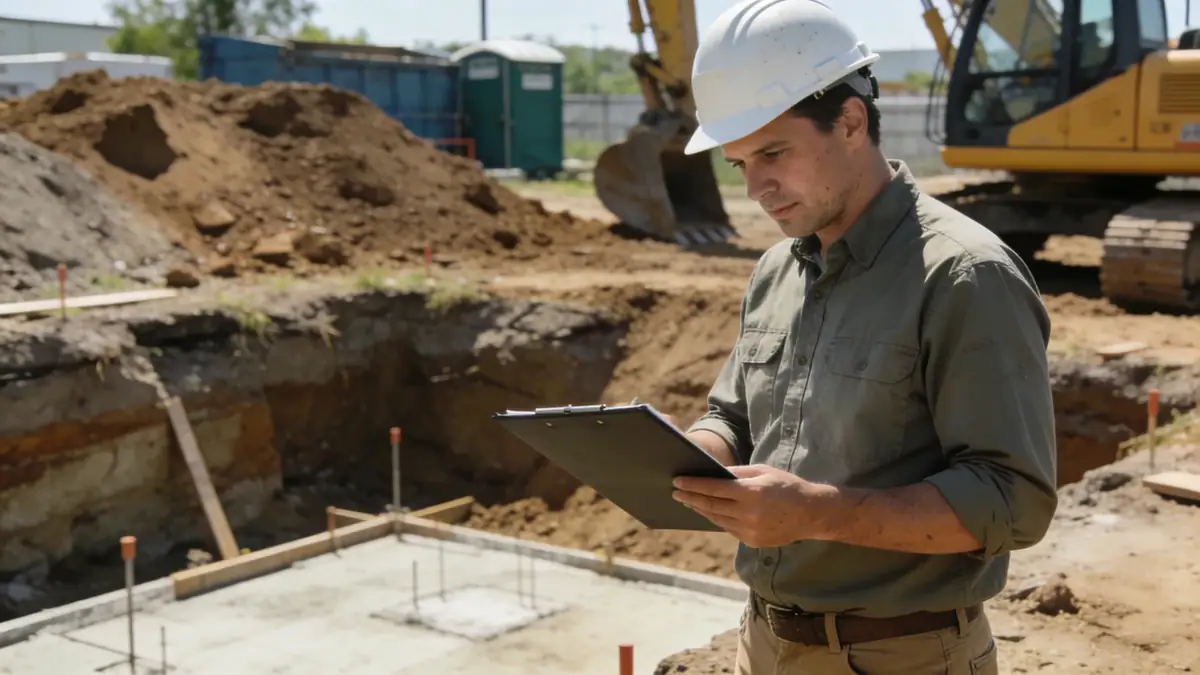
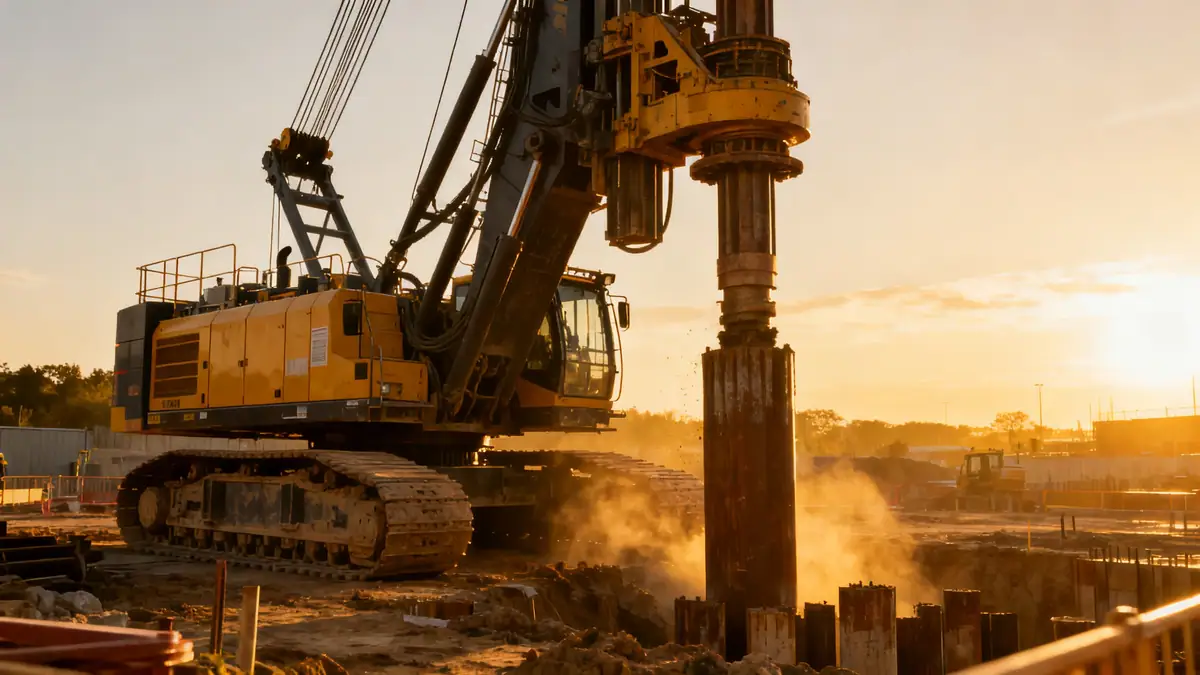
Our firm employs a systematic approach to geotechnical engineering in Henderson Nevada, integrating field exploration, laboratory testing, and analytical modeling. We typically begin with a site reconnaissance to identify potential hazards, followed by subsurface investigations using methods such as spt boring to collect soil samples at regular intervals per ASTM D1586. Laboratory tests on recovered samples determine index properties, strength, and consolidation characteristics. For seismic design, we evaluate site-specific ground motion parameters in accordance with ASCE 7. Our methodology ensures that foundation recommendations are tailored to Henderson's variable soil profiles, reducing uncertainty and mitigating risk for our clients.
Reference Technical Parameters
| Parameter | Reference Value |
|---|---|
| Predominant Soil Type | Silty sands and gravels with variable clay content (alluvial/colluvial) |
| Maximum Seismic Acceleration (PGA) | 0.2g to 0.3g (Site Class D, per ASCE 7) |
| Typical Groundwater Level | >15 m depth (deep, often below zone of influence) |
| Bedrock Depth | 10–30 m (interbedded sandstones and limestones) |
| Typical N60 Range | 10–40 blows/ft (loose to dense sands/gravels) |
Local Considerations — Henderson Nevada
Henderson's geology is dominated by Quaternary alluvial fan deposits from the McCullough Range, resulting in heterogeneous soil profiles with interbedded silts, sands, and gravels. Colluvial deposits on hillslopes require careful slope stability analysis. Seismic hazard is moderate, with peak ground accelerations up to 0.3g; site response analyses are often needed for critical structures. Groundwater is typically deep (>15 m) but can be elevated near Lake Las Vegas. Older neighborhoods near downtown Henderson may have undocumented fills, while newer developments in Anthem face expansive clay zones. For these reasons, our team emphasizes site-specific investigations. For broader regional context, see our geotechnical engineering services in Los Angeles.
Request a Quote
Our team reviews your project and issues an initial report at no cost.
Or write us directly at [email protected]
Services in Henderson Nevada
Applicable Standards
- ASTM D1586 (Standard Penetration Test)
- ASCE 7 (Minimum Design Loads for Buildings and Other Structures)
- IBC (International Building Code) – Nevada Amendments
- Nevada Administrative Code (NAC) Chapter 623 – Professional Engineering
Frequently Asked Questions
What are the typical soil conditions in Henderson Nevada?
Soils in Henderson primarily consist of alluvial and colluvial deposits, including silty sands, gravels, and occasional clay layers. These soils can be loose to dense, with variable strength and compressibility, requiring careful site-specific evaluation for foundation design.
How does seismic hazard affect geotechnical engineering in Henderson?
Henderson lies in a region of moderate seismicity with PGA values up to 0.3g. The local soil profiles may amplify ground motion, making site-specific seismic response analyses essential for compliance with ASCE 7 and the IBC.
Are geotechnical studies mandatory for construction in Henderson?
Yes, the Nevada Administrative Code and local building departments typically require a geotechnical investigation for new structures, especially those with deep foundations, slopes, or in areas with known soil hazards such as expansive clays or liquefaction potential.