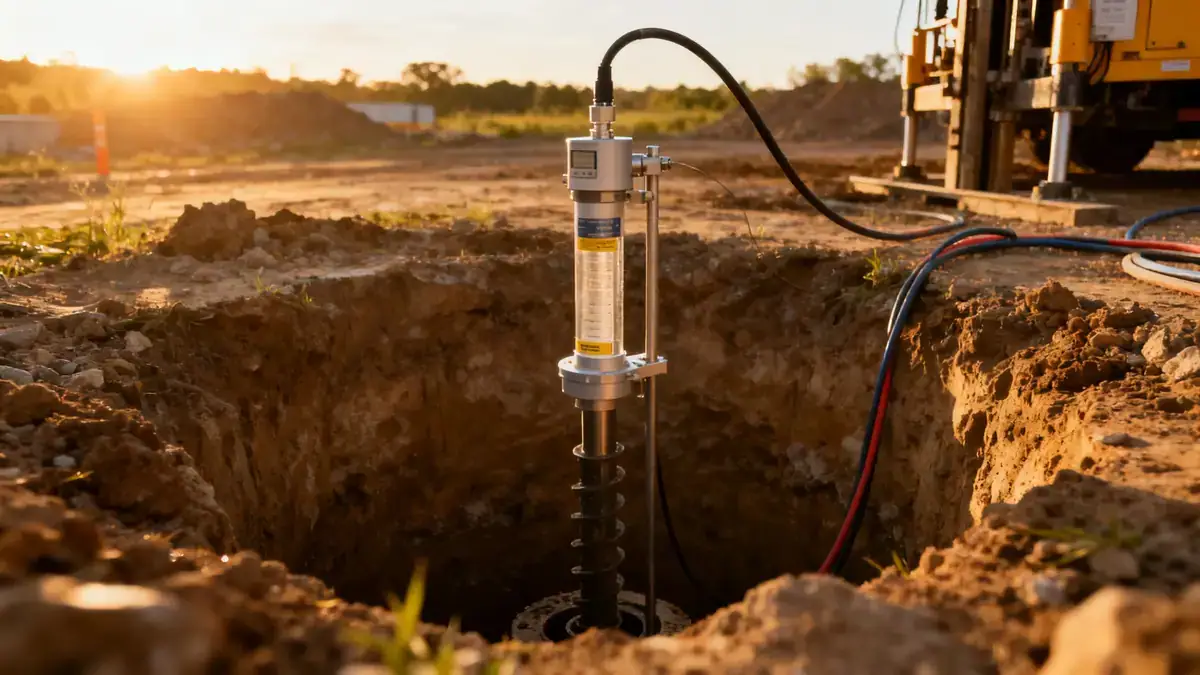
Methodology
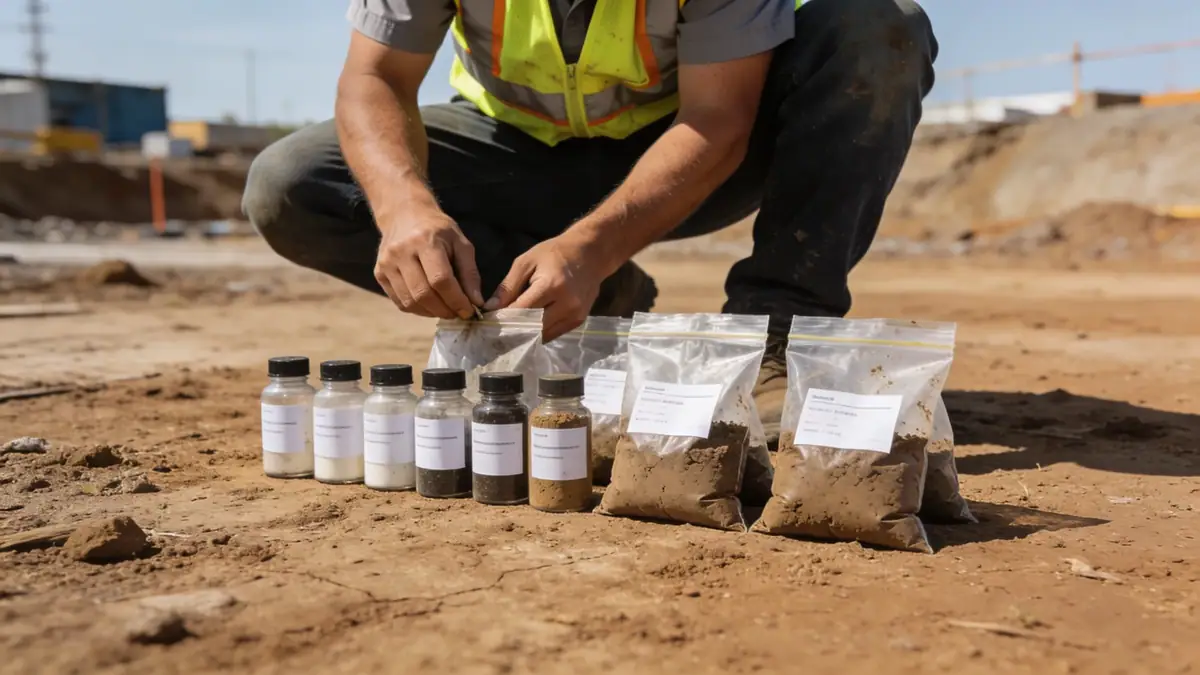
Our approach to geotechnical engineering in North Las Vegas integrates field and laboratory methods to characterize subsurface conditions accurately. We employ standard penetration testing (SPT) per ASTM D1586 at intervals of 1.0 to 1.5 meters to assess soil strength and stratigraphy. Our spt boring program typically reaches depths of 8 to 15 meters for residential projects and up to 30 meters for industrial developments. In the laboratory, we conduct index tests, consolidation, and shear strength analyses on recovered samples. This data informs foundation design, slope stability evaluations, and earthwork recommendations, ensuring compliance with local codes and project specifications.
Reference Technical Parameters
| Parameter | Reference Value |
|---|---|
| Predominant soil type | Alluvial sands, silts, and clays with colluvial deposits |
| Maximum seismic acceleration (PGA) | 0.2g to 0.4g (ASCE 7-16, Site Class D) |
| Typical groundwater level | 3 to 10 meters below ground surface, varies seasonally |
| Bedrock depth | Greater than 30 meters in most areas |
| Typical N60 range | 5 to 30 blows per foot (sands), 2 to 15 (clays) |
Local Considerations — North Las Vegas
North Las Vegas presents distinct geotechnical challenges due to its arid climate and alluvial fan deposits. Expansive clay soils are common in the western areas, requiring careful moisture control and foundation design. Shallow groundwater in the eastern basin can impact excavations and require dewatering. Seismic hazard is moderate, with peak ground accelerations up to 0.4g per ASCE 7-16, necessitating site-specific response analysis for critical structures. Additionally, collapsible soils exist in some subdivisions, demanding pre-construction wetting or deep foundations. Our team provides soil mechanics laboratory testing to quantify these risks. For projects requiring a broader regional perspective, we coordinate with our geotechnical engineering en Los Angeles office to leverage multi-state expertise.
Request a Quote
Our team reviews your project and issues an initial report at no cost.
Or write us directly at [email protected]
Services in North Las Vegas
Applicable Standards
- ASTM D1586
- ASCE 7-16
- IBC 2021
- Nevada Administrative Code (NAC) Chapter 623
- Clark County Building Code
Frequently Asked Questions
What are the typical soil conditions encountered in North Las Vegas?
North Las Vegas soils are predominantly alluvial sands, silts, and clays, often with high plasticity and expansive potential. Colluvial deposits and caliche layers are also common. Groundwater levels vary from 3 to 10 meters depth, and bedrock is typically more than 30 meters deep.
How does seismic activity affect geotechnical design in North Las Vegas?
The region is subject to moderate seismic hazard from nearby faults, with peak ground accelerations up to 0.4g per ASCE 7-16. Site-specific seismic response analyses are often required for essential facilities. Soil liquefaction potential is generally low due to dense sands and deep groundwater.
Are geotechnical studies mandatory for construction in North Las Vegas?
Yes, the Clark County Building Code and NAC Chapter 623 require a geotechnical investigation for most commercial and multi-family residential projects. Single-family homes may be exempt but are strongly recommended due to expansive soils and collapsible deposits. Local jurisdictions may impose additional requirements.