Methodology
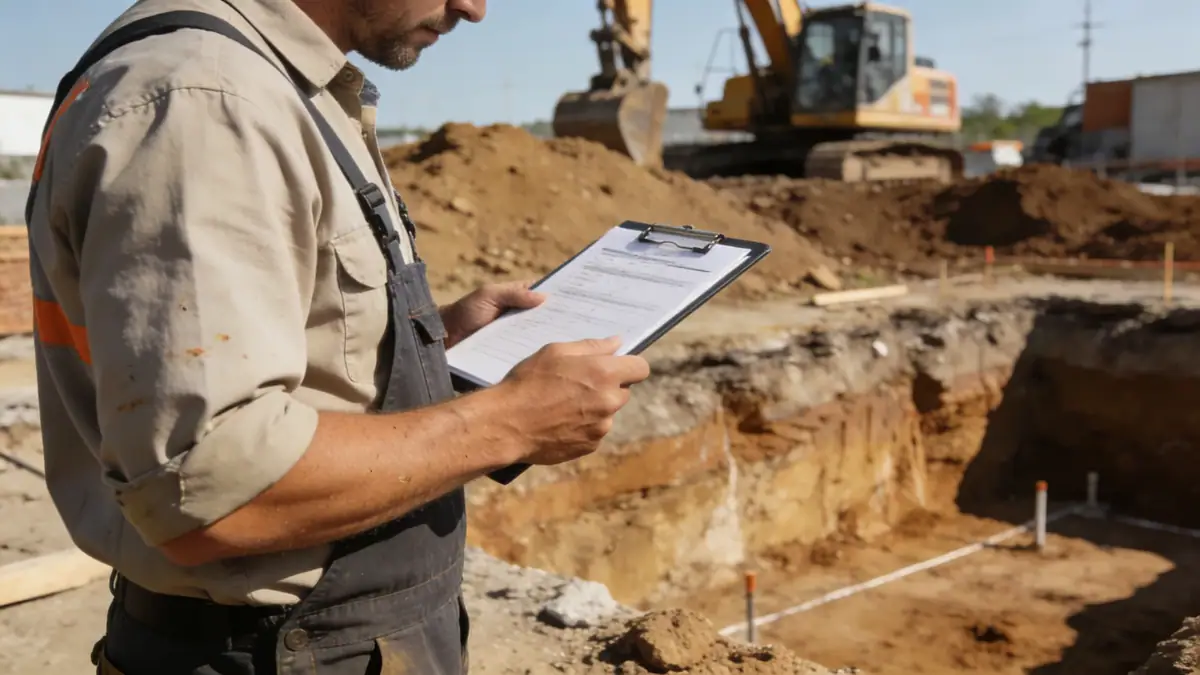
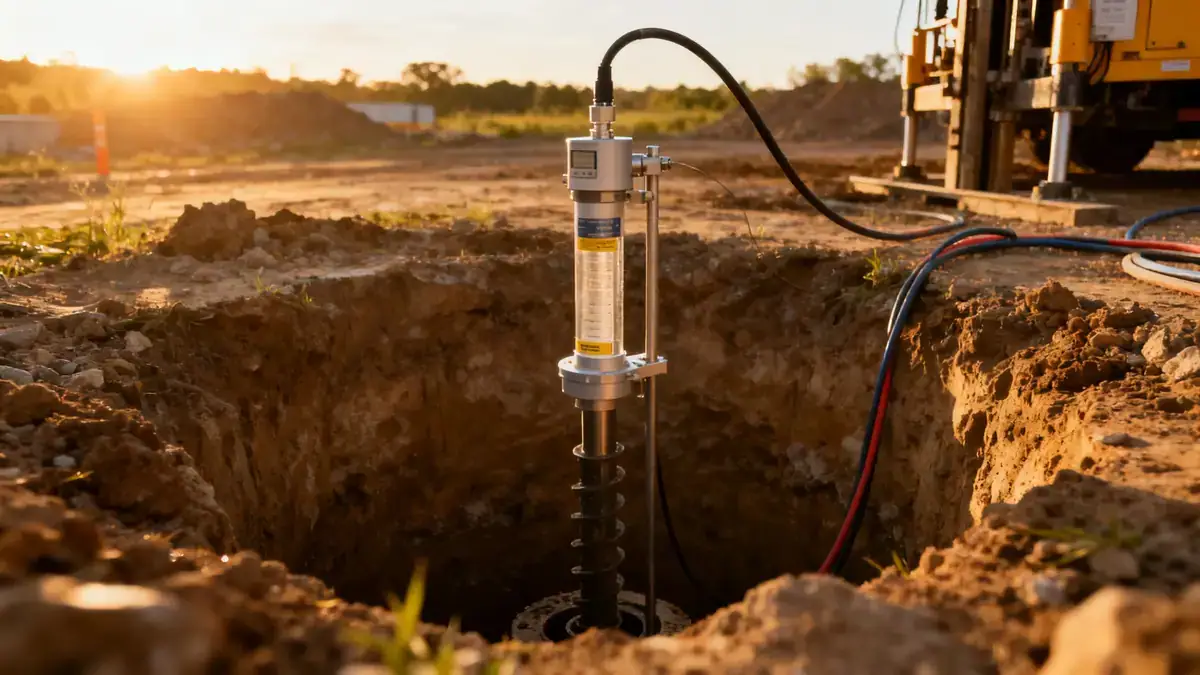
Our methodology for geotechnical engineering in Pomona begins with a comprehensive desk study of regional geology and seismic history, followed by field investigations including spt boring and advanced laboratory testing. We characterize soil stratigraphy, groundwater conditions, and geotechnical parameters such as N60 blow counts and shear wave velocity. For seismic design, we evaluate site class per ASCE 7-22 and determine peak ground acceleration (PGA) using USGS hazard data. This integrated approach supports foundation design, slope stability, and earthwork recommendations tailored to Pomona's unique subsurface conditions.
Reference Technical Parameters
| Parameter | Reference Value |
|---|---|
| Predominant soil type | Alluvial sands, silts, and gravels with clay lenses |
| Maximum seismic acceleration (PGA) | 0.4g–0.6g (Site Class D, ASCE 7-22) |
| Typical groundwater level | 10–25 ft below grade (variable seasonally) |
| Bedrock depth | 100–300 ft (Tertiary sedimentary rock) |
| Typical N60 range | 10–40 blows/ft (sands); 5–20 blows/ft (silts) |
Local Considerations — Pomona
Pomona's geology comprises alluvial deposits from the San Gabriel Mountains, with variable soil stiffness and occasional cobble layers. The city lies within Seismic Zone 4, with potential for strong ground motion from the San Andreas and San Jose faults. Liquefaction susceptibility is moderate near historic channels, and collapsible soils occur in older alluvial fans. Our geotechnical engineering in Pomona addresses these challenges through site-specific investigations and compliance with ASCE 7-22 seismic criteria. For broader regional context, see geotechnical engineering in Los Angeles. We also integrate slope stability analyses for hillside developments common in northern Pomona.
Request a Quote
Our team reviews your project and issues an initial report at no cost.
Or write us directly at [email protected]
Services in Pomona
Applicable Standards
- ASTM D1586
- ASCE 7-22
- California Building Code (CBC) 2022
- USGS Seismic Hazard Maps
- ASTM D2487
Frequently Asked Questions
What are the typical soil conditions for geotechnical engineering in Pomona?
Pomona's soils are primarily alluvial sands, silts, and gravels deposited by ancient river systems. Clay lenses and cobble layers are common, with groundwater typically 10–25 ft deep. These conditions require careful evaluation for foundation design and seismic response.
How does seismic design apply to projects in Pomona?
Pomona is in high seismic hazard zone. Per ASCE 7-22, site class D is typical, with PGA up to 0.6g. Geotechnical reports must include site-specific ground motion parameters, liquefaction assessment, and recommendations for foundation systems to withstand strong shaking from nearby faults.
Are geotechnical studies mandatory for construction in Pomona?
Yes, the California Building Code requires geotechnical investigations for most new construction and additions. Local jurisdictions in Pomona enforce CBC 2022 standards, especially for seismic safety, slope stability, and expansive soils, making professional geotechnical engineering essential.